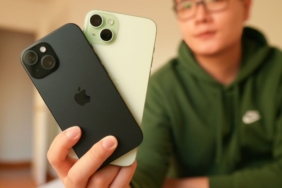

The Turkish mobile market has started 2025 on a turbulent note. According to the latest report from the Information and Communication Technologies Authority (BTK), smartphone sales in Türkiye experienced a sharp decline in the first quarter, signaling a significant shift in consumer behavior. While overall device registrations fell by 12 percent, Apple defied the trend, increasing its sales and dethroning Samsung to become the new market leader.
A Sluggish Start to the Year for Smartphones
Data derived from IMEI registrations shows that 2.78 million mobile phones were sold in Türkiye between January and March 2025, a notable drop from 3.16 million in the same period of 2024. This decline, nearly 12 percent, marks one of the weakest first quarters for the smartphone industry in recent memory.
What makes this report particularly interesting is the contrast between smartphones and other mobile devices. While phone sales dipped considerably, the demand for tablets, modems, and smartwatches rose, cushioning the overall impact on the broader mobile device market. This shift suggests that while consumers may be delaying smartphone upgrades, they are still investing in alternative digital devices to support their evolving needs.
Apple’s Rise to the Top in Türkiye
The most striking revelation from BTK’s findings is the dramatic change in market leadership. For years, Samsung held the top position in Türkiye’s smartphone sector. However, Apple’s surge in Q1 2025 sales signals a change in the tide. Here’s how the top three brands performed:
Apple: 912,000 units
Samsung: 829,000 units
Redmi: 452,000 units
Apple recorded a 14.26 percent increase in unit sales compared to the same period last year, becoming the only major brand to grow in a shrinking market. This impressive growth highlights the brand’s resilience and the increasing preference of Turkish consumers for premium smartphones despite the broader economic uncertainty.
In contrast, Samsung faced a steep decline. With 829,000 units sold, the company saw its market share shrink by 16.68 percent, reflecting a notable shift in consumer loyalty. Meanwhile, Redmi, known for its budget-friendly lineup under the Xiaomi umbrella, retained its third-place standing with 452,000 units sold. However, even this segment wasn’t immune to market forces, as Redmi sales dropped by 14.87 percent.
Shifting Consumer Preferences in a Tight Economy
While the overall decline in smartphone sales might raise alarms, the underlying data paints a more nuanced picture. Turkish consumers appear to be becoming more selective, prioritizing longevity, brand reputation, and advanced features over price alone.
Apple’s rise could also indicate a strategic shift toward long-term investments in quality, especially as many users keep their devices longer and seek better value from premium models. This trend is evident not only in sales numbers but also in brand loyalty and customer satisfaction metrics across the tech industry.
Another potential driver behind this shift is the growing integration of Apple’s ecosystem into users’ daily lives. With products like the iPhone, iPad, Apple Watch, and MacBook increasingly interconnected, many consumers may see greater value in sticking within the same brand universe.
Broader Impact on the Turkish Mobile Ecosystem
The Q1 data also has broader implications for retailers, service providers, and accessory manufacturers. A drop in total unit sales may squeeze revenues for mobile shops and distributors that rely on high volumes. However, the increasing demand for premium products and accompanying accessories (like wireless earbuds, smartwatches, and protective gear) might open new profit avenues for those catering to the upper-tier market.
Mobile carriers are likely to adjust their marketing and pricing strategies as well. With the rise of Apple, there may be more bundled offers or financing solutions targeting high-end device buyers. This could also accelerate the development of new payment models, such as device leasing or subscription-based upgrades.
Can Samsung Regain Its Lead?
Samsung’s loss of market leadership in Türkiye could trigger a renewed competitive push. The company has a diverse product line that spans entry-level to flagship models, giving it a potential edge in market recovery. However, it will likely need to rethink its pricing, distribution, and promotional strategies to reconnect with value-conscious consumers and tech enthusiasts alike.
Moreover, as AI-powered features, camera innovations, and software experiences become more central to buyer decisions, Samsung may invest heavily in R&D and partnerships to sharpen its competitive edge in the second half of the year.
The Role of Mid-Tier and Budget Brands
Redmi’s position as the third-largest seller shows that budget-friendly phones still hold significant market share in Türkiye. However, the segment’s decline indicates that even value-focused consumers are becoming more cautious, perhaps extending the lifespan of their devices or postponing upgrades altogether.
This creates an opportunity for mid-tier brands that can offer a blend of performance and price, bridging the gap between high-end options like Apple and ultra-affordable alternatives. Brands like Oppo, Vivo, and Realme may look to capitalize on this space, especially if they tailor their offerings to local needs and build stronger service networks.
A Look Ahead
As the year progresses, several factors could influence Türkiye’s mobile market trajectory:
Economic Conditions: Inflation, currency fluctuations, and changing import regulations may continue to affect both supply and demand.
Consumer Behavior: Shifts toward digital lifestyles, remote work, and content consumption could drive demand for devices with better cameras, battery life, and connectivity.
Technological Evolution: The rollout of 5G networks and AI-powered features could rejuvenate interest in device upgrades, especially in metropolitan areas.
Retailers, distributors, and manufacturers that understand and adapt to these evolving consumer behaviors will be better positioned to thrive in the coming quarters.