
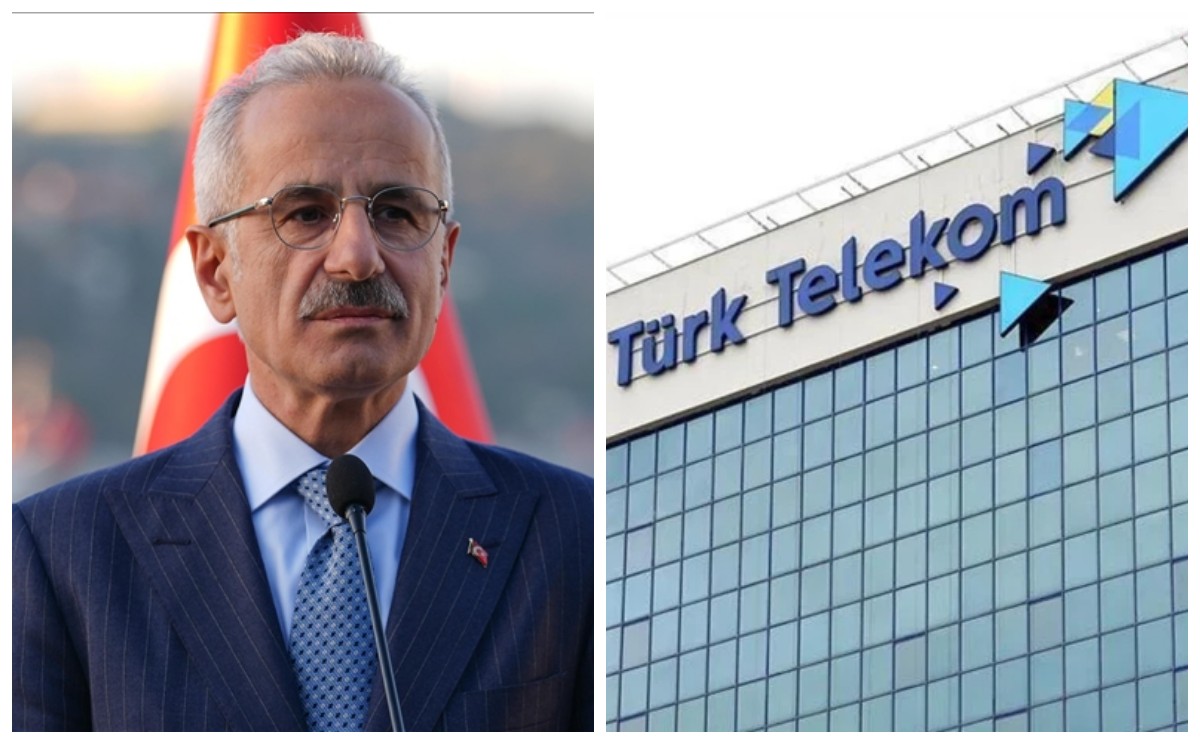
Türkiye has taken a decisive step toward strengthening its digital infrastructure with the extension of Türk Telekom’s fixed service concession until 2050. Announced by Minister of Transport and Infrastructure Abdulkadir Uraloğlu, the agreement between the Information and Communication Technologies Authority (BTK) and Türk Telekom is expected to generate $20 billion in direct economic impact over the concession period.
This move signals Türkiye’s commitment to long-term technological development and digital sovereignty. By ensuring the continuity of fixed-line infrastructure investments, the country is laying the foundation for future-proof connectivity and broader digital transformation.
A Strategic Partnership for National Digital Infrastructure
The new concession agreement represents more than just a regulatory renewal; it is a carefully calibrated national strategy to align Türkiye’s technological infrastructure with global digital demands. Minister Uraloğlu emphasized that the agreement had been reached after extensive planning and strategic foresight.
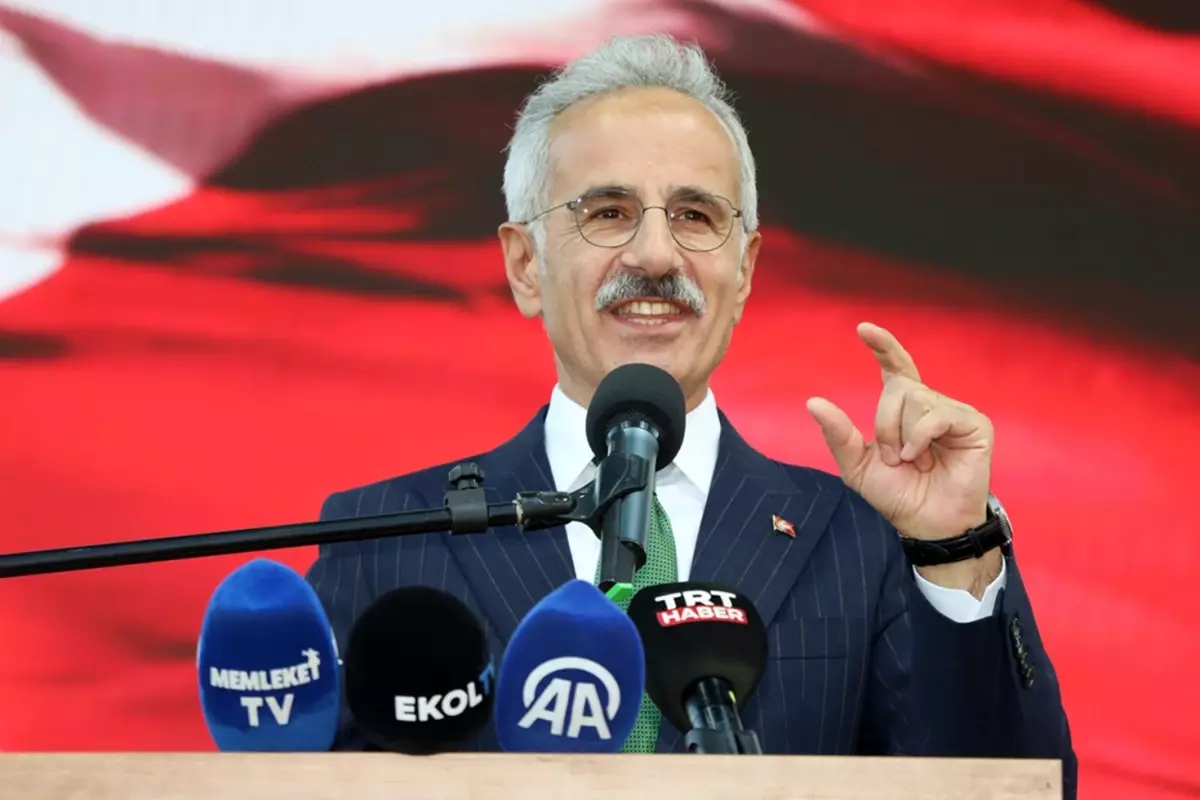
“This agreement guarantees continued investment in fixed infrastructure and services, delivering an estimated $20 billion in direct benefits to our national economy over the agreed period,” he stated.
The extension will support long-term development projects in fiber optics, high-speed broadband, and nationwide connectivity initiatives, which are essential for bridging the urban-rural digital divide and enabling new economic opportunities.
Türkiye’s Digital Transformation Journey
Türkiye’s digital transformation is not a short-term campaign but a multi-decade commitment to building a smart, interconnected nation. With the renewal of Türk Telekom’s fixed service concession, the government has created a framework that encourages sustainable investment and growth in digital infrastructure.
Minister Uraloğlu highlighted the forward-looking nature of the agreement:
“With this agreement, a model has been established to ensure the continuity of critical fixed infrastructure investments that are vital for Türkiye’s digitalization journey.”
This model introduces financial and operational certainty for Türk Telekom, allowing the company to plan and execute long-term projects without the limitations of short concession timelines.
Türk Telekom: Not Just a Company, But a National Asset
Türk Telekom holds a unique position in Türkiye’s economic and technological landscape. As a majority publicly-owned entity—60% of its shares held by Türkiye Wealth Fund and 25% by the Ministry of Treasury and Finance—the company’s infrastructure development is inseparable from national interests.
“Türk Telekom’s fixed infrastructure is also Türkiye’s infrastructure,” said Uraloğlu. “Every investment made by Türk Telekom translates into direct national benefits.”
This alignment of public and private interests allows the government to guide strategic initiatives while ensuring commercial competitiveness and technological innovation.
Driving Investment Through Policy Stability
One of the key challenges for infrastructure investment—particularly in the telecommunications sector—is policy uncertainty. By extending Türk Telekom’s concession through 2050, the government provides a strong signal of regulatory continuity and long-term support, which is essential for attracting large-scale capital investment.
This environment of certainty enables Türk Telekom to plan high-capital projects such as nationwide fiber deployment, 5G-ready backbone systems, and next-generation network infrastructure with confidence.
Fiber Infrastructure and the Road to Smart Cities
The fixed service concession extension comes at a time when Türkiye is aggressively pushing toward digital modernization. At the heart of this transformation is fiber internet, which serves as the backbone of every digital service—from cloud computing to IoT, from telemedicine to smart grids.
The new agreement ensures that Türk Telekom will continue to prioritize fiber deployment, especially in underserved regions where market forces alone may not be sufficient to justify investment. By making digital services accessible to all citizens, Türkiye strengthens its position in the global digital economy.
Economic Impact: A $20 Billion Injection into the National Economy
Minister Uraloğlu’s projection of a $20 billion contribution to the economy stems from direct infrastructure investment, local employment, technology transfer, and the ripple effects of a more connected economy. Each kilometer of fiber laid opens new doors for business innovation, education, health services, and e-government applications.
The multiplier effect of connectivity is well-documented. High-speed, reliable internet is no longer a luxury—it’s the foundation of modern economic life. From SMEs in rural areas to major tech hubs in urban centers, connectivity drives productivity, inclusivity, and competitiveness.
Balancing State Oversight and Corporate Flexibility
One of the most notable aspects of this agreement is the balance between public accountability and corporate autonomy. With majority ownership retained by state bodies, Türk Telekom operates with commercial efficiency but within a strategic framework set by the nation’s development goals.
This hybrid model allows Türkiye to remain agile in its response to evolving technologies while safeguarding national interests. It also facilitates coordinated planning between ministries, agencies, and private stakeholders.
A Model for Future Public-Private Digital Partnerships
The BTK–Türk Telekom agreement serves as a model for future public-private collaborations in digital infrastructure. Its success depends not only on investment figures but also on execution, transparency, and adaptive policy-making.
As other countries grapple with similar challenges in upgrading their national infrastructure, Türkiye’s model—grounded in long-term vision, inclusive development, and strategic alignment—offers a blueprint worth examining.
Public Trust and Access as Core Values
Beyond economics and infrastructure, the renewed concession speaks to Türkiye’s broader values: equitable access to technology, public trust in essential services, and commitment to national progress. The agreement supports the continuation of universal service obligations, ensuring that no region is left behind in the digital era.
From students needing high-speed access for education to hospitals requiring reliable data services, the infrastructure enabled by this deal touches nearly every facet of modern life.
Next Steps in Türkiye’s Digital Agenda
With this renewed commitment to infrastructure, Türkiye is poised to accelerate its deployment of smart technologies, enhance cybersecurity frameworks, and integrate digital services more deeply into daily life. The foundation laid by this concession agreement could support:
Nationwide 5G deployment
Smart city projects across metropolitan and rural areas
Digital public services in education, health, and transportation
Secure data storage and cloud computing capabilities
Advanced research in artificial intelligence and robotics
Conclusion Without a Label
While the extension of a concession might seem like a routine administrative update, its implications are profound. It marks a turning point in Türkiye’s technological evolution—grounded in foresight, enabled by cooperation, and driven by national ambition.
This agreement is not just about telecommunications. It’s about empowering people, industries, and institutions to thrive in a digital-first future. With infrastructure as the foundation, Türkiye is building not just connections, but possibilities.