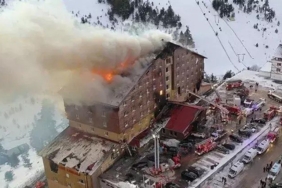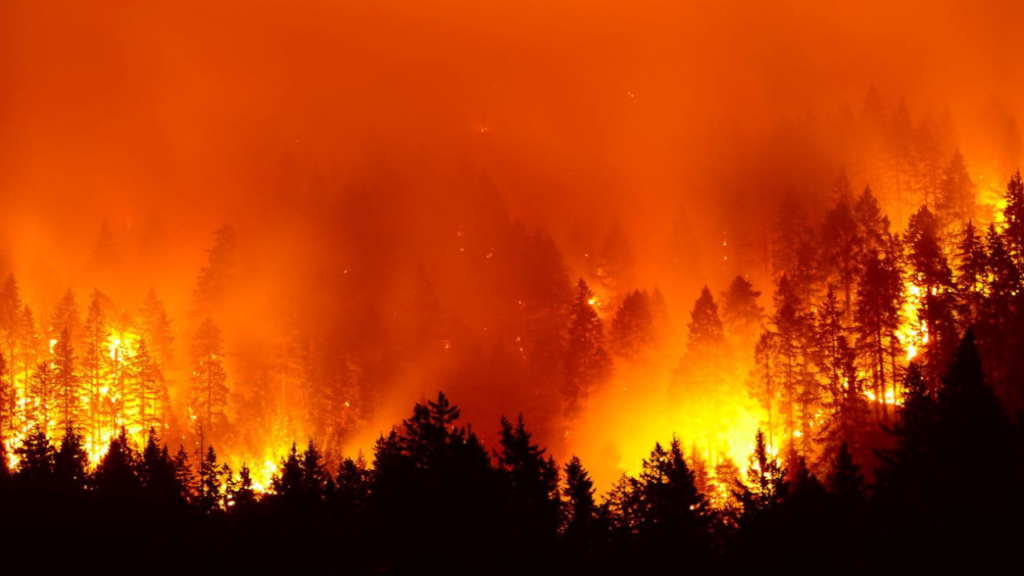

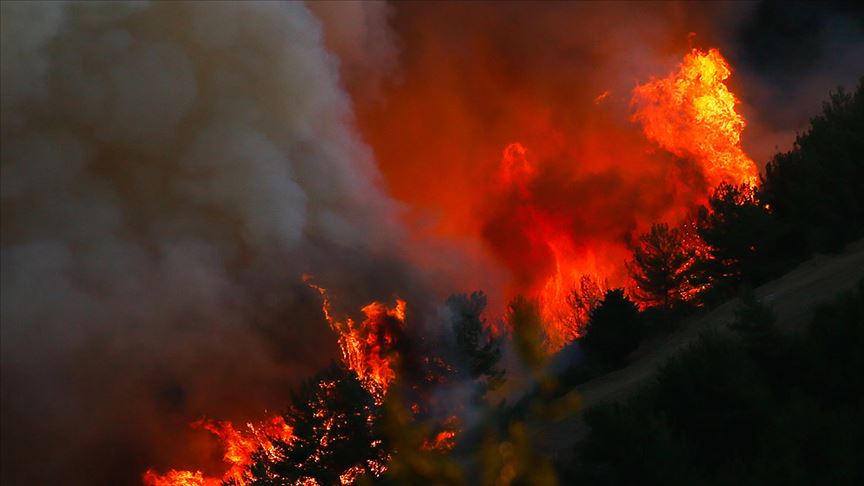
This summer, the Mediterranean region spanning Türkiye, Greece, and Cyprus witnessed a series of devastating wildfires that scarred landscapes, displaced communities, and raised urgent questions about the future. The fires were not only frequent but also extraordinarily destructive, turning vast areas of forest into ash. While scientists are diligently investigating the underlying causes, their conclusions point toward an explanation that should no longer surprise anyone — climate change.
According to a recent study conducted by World Weather Attribution (WWA), global warming has increased the likelihood of wildfires by nearly tenfold. Researchers at the Imperial College London’s Centre for Environmental Policy emphasized that their findings reveal a powerful signal of climate change, manifesting in hotter and drier conditions across Southern Europe.
The Role of Rising Temperatures
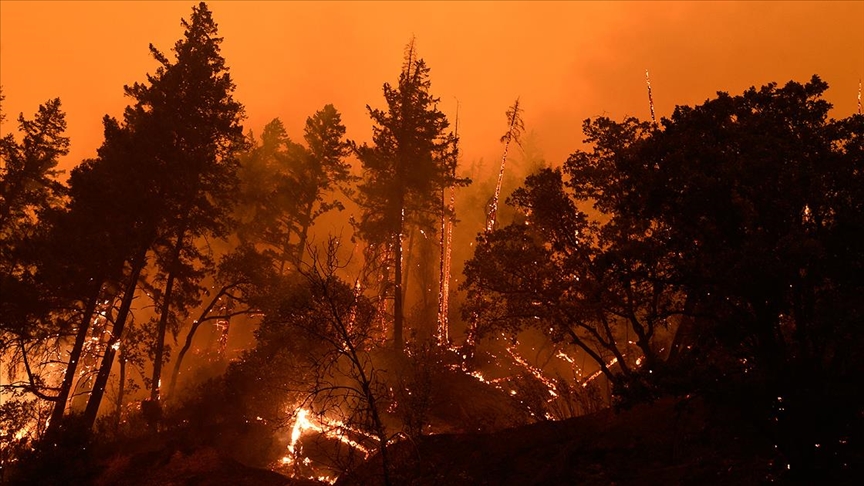
What may seem like a minor increase in average global temperature is having profound consequences. Experts estimate that a rise of just 1.3 degrees Celsius has been enough to trigger widespread fire risk across Europe and Türkiye. If immediate and effective measures are not taken, scientists warn that the average global temperature could rise by more than 3 degrees in the near future, drastically escalating the frequency and intensity of wildfires.
This phenomenon is not isolated to the Mediterranean. Across the world, hotter summers, prolonged droughts, and shifting weather patterns are creating ideal conditions for fire outbreaks. In the Mediterranean basin, where ecosystems are naturally dry and summers are long, even slight changes in climate tip the balance toward disaster.
Science Versus Suspicion
While many scientists argue that climate change is the clear culprit, the debate has not remained purely scientific. In Türkiye, images captured by locals sparked suspicions when lines of fire appeared along steep hillsides where human access is nearly impossible. These long, continuous fire trails led some to speculate whether advanced technologies might have been used deliberately to ignite them.
Theories emerged suggesting that laser-equipped drones or even satellite-based energy weapons could have been responsible. Some activists believe that global power blocs, aiming to dismantle the world’s reliance on fossil fuels, might employ such drastic measures to destabilize economies and accelerate transitions to alternative energy.
Although counter-fires are sometimes intentionally set to control larger blazes, many locals argue that the suspicious fire lines in inaccessible terrains do not fit this explanation. The result is a blend of conspiracy theories and genuine concern, adding another layer of complexity to an already pressing crisis.
The Cost to Nature and Society
The human and environmental toll of these fires has been staggering. In Türkiye, Greece, and Cyprus, thousands of hectares of forest were destroyed. Rare species lost their habitats, while agricultural communities suffered catastrophic damage to crops and livestock. Tourism, a vital economic lifeline in these regions, also took a severe hit as iconic coastal landscapes were blackened by flames.
For residents, the fires were not just natural disasters but personal tragedies. Families were evacuated from their homes, schools were shut down, and health risks increased due to smoke inhalation and air pollution. The scars of the summer’s infernos will remain long after the fires are extinguished, both in the environment and in the collective memory of those affected.
The Bigger Picture of Climate Change
While suspicion of sabotage remains, scientists insist that the overwhelming factor driving these disasters is climate change. Studies repeatedly show that rising global temperatures are reshaping weather systems. Prolonged heatwaves, reduced rainfall, and shifting wind patterns create perfect conditions for wildfires.
The Mediterranean region is particularly vulnerable because its ecosystems are already adapted to hot, dry summers. Any additional stress from global warming amplifies risks. Without strong mitigation strategies, experts warn, the region could become a hotspot for increasingly catastrophic fires.
The recent disasters serve as a reminder that climate change is not a distant threat but a present danger. Governments, policymakers, and local communities must accelerate adaptation efforts, from improving forest management and investing in firefighting infrastructure to adopting global emissions reduction commitments.
The Political Dimension
The speculation that fires could be weaponized for political or economic gain reflects a deeper distrust in global power dynamics. Whether through intentional sabotage or neglect, the perception that natural disasters are being exploited to shift economic models is widespread.
Critics argue that powerful nations and corporations may benefit from chaos in regions reliant on traditional energy industries. By weakening economies through recurring disasters, some believe external actors could push for a faster transition away from oil and gas, consolidating control over emerging green technologies.
While concrete evidence supporting such theories is limited, their persistence highlights the political undercurrents of climate-related disasters. Fires in Türkiye, Greece, and Cyprus are no longer seen solely as ecological tragedies but also as potential battlegrounds in the fight over global influence.
Living With Uncertainty
At the heart of the debate lies a haunting question: are these fires purely the result of a warming planet, or are they being strategically ignited for hidden agendas? The truth remains elusive. What is certain, however, is that the Mediterranean will continue to face severe wildfire threats in the coming decades.
Communities are forced to adapt to this uncertainty, preparing for fire seasons as annual realities rather than rare catastrophes. Education, preparedness, and early warning systems are becoming as crucial as water supplies and fire brigades.
A Test for Humanity’s Future
The flames that consumed Türkiye, Greece, and Cyprus this summer are symbolic of a much larger global struggle. They represent the collision between human activity, environmental limits, and political interests. Whether caused by nature, negligence, or deliberate acts, the fires reveal humanity’s vulnerability in the face of escalating crises.
The choices made today will shape the future. Will governments act decisively to curb emissions and protect vulnerable ecosystems, or will short-term economic gains continue to take priority? Will conspiracy theories distract from urgent climate action, or will communities unite around science-based solutions?
The Mediterranean’s fiery summer may eventually be remembered as a turning point, forcing society to confront uncomfortable truths about climate change and the fragility of our world. What remains uncertain is whether humanity will respond with unity and foresight or continue down a path of division and doubt.
Editor’s Note: This article combines scientific perspectives with local testimonies and political debates surrounding the recent wildfires. While the ultimate cause may never be fully resolved, one fact is clear — the Mediterranean is burning, and the world must decide how to respond before the flames become unmanageable.