
Recent remarks by President Recep Tayyip Erdoğan and Foreign Minister Hakan Fidan suggest that Türkiye’s expectations for Syria have not unfolded as originally envisioned. At the Malazgirt Victory anniversary event, Erdoğan declared that “those who turn toward Ankara and Damascus will prevail” and warned that if “the sword leaves the sheath, there will be no room left for words.” Many analysts interpreted this as a direct message to the Syrian Democratic Forces (SDG), whose semi-autonomous presence east of the Euphrates continues to be supported by the United States.
The implication was clear: if the SDG resists reintegration with the central government in Damascus, Türkiye may be prepared for a large-scale military intervention. Such interpretations were amplified in pro-government media circles.
Fidan’s Message of Realism
Yet, Foreign Minister Hakan Fidan offered a more restrained assessment after the Organization of Islamic Cooperation’s extraordinary ministerial meeting. He remarked, “One period in Syria has ended, but an easier period has not begun.” Having served as intelligence chief for 13 years, Fidan’s cautious tone reflects an awareness of the deep complexities at play. It was also a subtle reminder that a military escalation is far from a straightforward option.
The SDG Factor and Türkiye’s “Terror-Free” Vision
The future of the SDG is closely tied to Ankara’s long-stated objective of a “terror-free Türkiye.” Formed with US support during the Syrian civil war, the SDG functions like a de facto state in the northeast. Expecting the group to willingly dismantle its structures appears unrealistic.
Washington’s continued backing of the SDG has further strengthened its position. US leaders, from former President Trump to special envoy Tom Barrack, have often shifted their rhetoric but ultimately signaled support for the group. This has given the SDG the confidence to resist pressure from both Ankara and Damascus.
Druze Developments in the South: A Parallel Challenge
While Türkiye watches the north, events in Syria’s south add another layer of complexity. In Sweida, 35 Druze armed groups recently united under the banner of the “National Guards,” supported openly by Israel. Their stated goals are protecting the region and resisting external interference—implicitly aimed at Damascus.
This move is widely seen as a declaration of separation from central government control. The question arises: if the Druze are carving out autonomy in the south, why would the SDG, already entrenched in the north, suddenly agree to full integration with Damascus? Given their relative military strength compared to the central army, the SDG has little incentive to relinquish its autonomy.
International Dimensions Beyond the US and Israel
Any analysis of Syria must also factor in Europe. Last year, Fidan dismissed France as a minor player in Syrian affairs, arguing that only Washington mattered. However, whispers in diplomatic circles suggest Paris still exerts influence, particularly regarding covert talks between Syria and Israel. If true, this would complicate Türkiye’s view of Europe’s role in the region.
Ahmed al-Shara and the Changing Political Landscape
Another dimension is the role of Syria’s interim President Ahmed al-Shara, who only months ago was associated with HTS camps but now rules from Damascus. Despite ongoing conflict in Gaza, he has taken a pragmatic stance toward Israel, reportedly viewing Türkiye as a “burden” in these relations. His ability to consolidate power while maintaining a cautious openness toward Israel signals a significant shift in Syrian politics.
Could a War Break Out Between Damascus and the SDG?
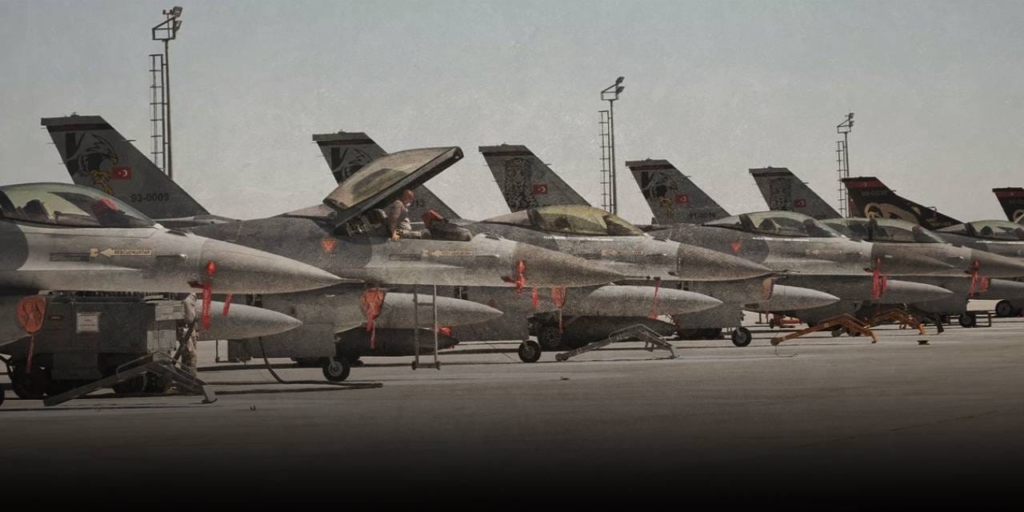
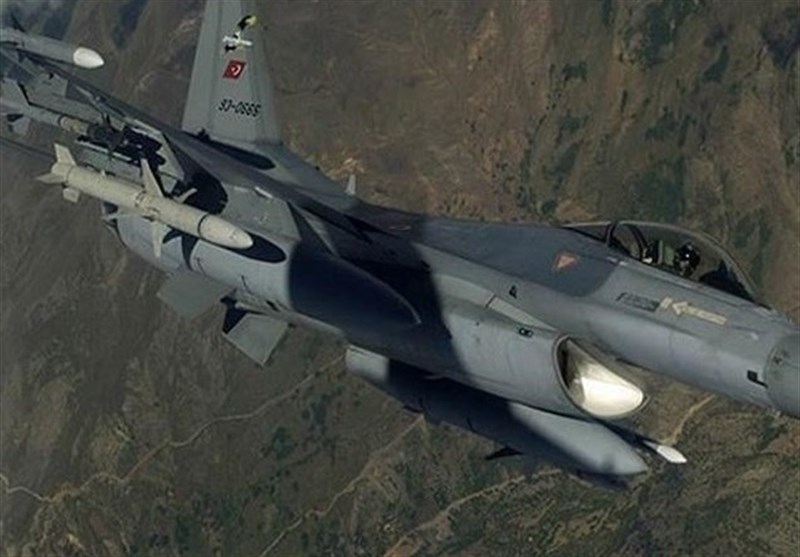
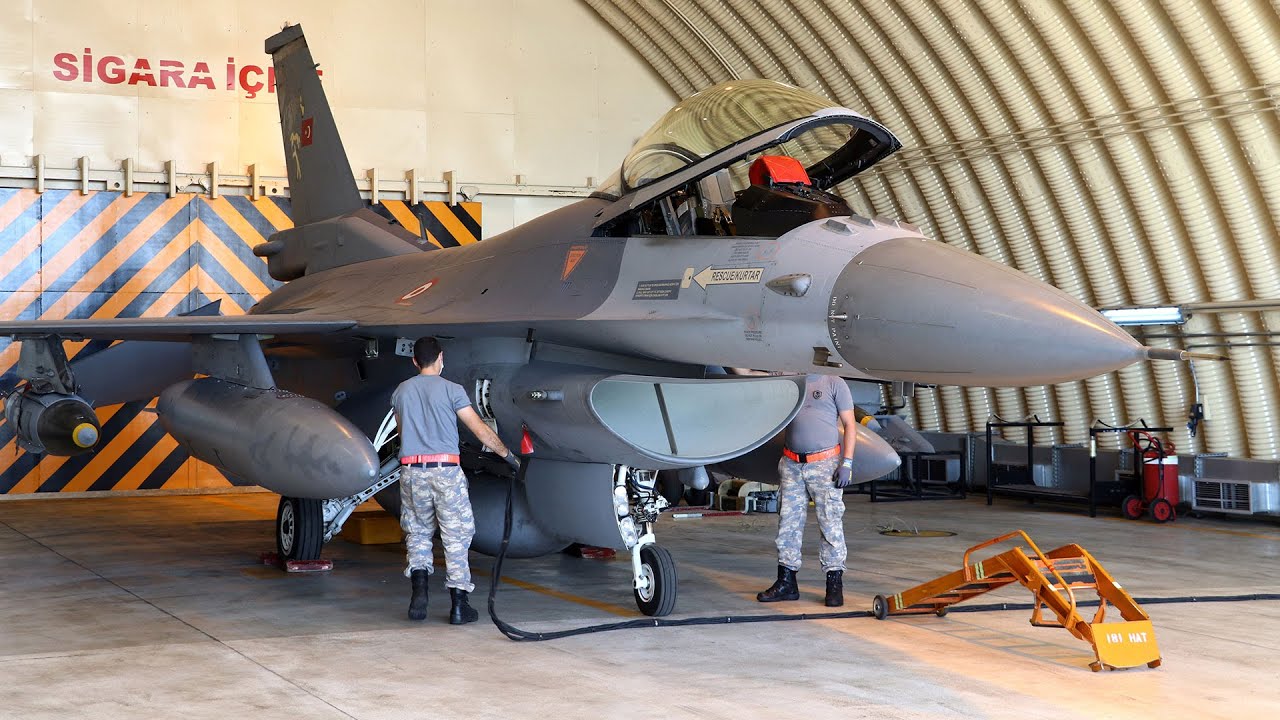
The key question remains whether clashes between the SDG and Damascus could escalate into a broader war. Erdoğan’s words suggested that Türkiye might intervene decisively if the SDG refuses to align with Damascus. But regional observers note that Türkiye’s military involvement would likely be limited. Sources close to the security establishment suggest Ankara would restrict support to aerial elements, primarily drones, rather than launching a full-scale campaign.
Should the SDG directly attack Turkish forces inside Syria, Ankara would probably respond with retaliatory strikes, as in the past. Yet a major ground campaign seems improbable given the risks of escalation with both Russia and the US present on Syrian soil.
A Region of Shifting Alliances
The Middle East is notorious for sudden shifts in alliances. Groups that seem firmly aligned one day can change sides the next. This makes predictions about long-term outcomes uncertain. What is clear is that Türkiye faces a delicate balancing act: pressuring the SDG, maintaining ties with Damascus, and avoiding deeper entanglements with global powers.
Editorial Note
Erdoğan’s forceful rhetoric and Fidan’s cautious realism reflect the dual nature of Türkiye’s Syria policy—caught between aspirations for decisive influence and the realities of a fragmented battlefield. As the conflict drags on, Ankara’s strategy may increasingly rely on limited but targeted military measures rather than sweeping operations. For now, all eyes remain on whether Damascus and the SDG drift closer to conflict—or find a fragile coexistence.