
Türkiye’s liquefied petroleum gas (LPG) sector showed a mixed performance in June 2025, according to the latest “LPG Market Sector Report” published by the Energy Market Regulatory Authority (EPDK). While imports fell compared to the previous year, both exports and domestic production recorded significant growth, underlining the dynamic structure of the country’s energy market.

Imports Decline Amid Changing Supply Sources
In June, Türkiye’s LPG imports decreased by 5.8 percent year-on-year, totaling 289,803 tons. The country sourced most of its LPG from Algeria, Russia, the United States, Georgia, Türkiye’s free trade zones, Libya and Croatia.
This diversified portfolio shows Türkiye’s continued reliance on multiple partners for its LPG needs, although overall volumes reflected a downward adjustment compared to 2024.
Exports Surge by Two-Thirds
On the export side, the story was very different. Türkiye’s LPG exports rose by 67 percent in June, reaching 44,707 tons.
The shipments were sent to 10 destinations, including Ukraine, Bulgaria, Switzerland, Syria, the United Arab Emirates, Greece, Singapore, Panama, Romania and Türkiye’s free trade zones.
This surge reflects Türkiye’s increasing role as not only a consumer but also a supplier within regional LPG trade networks.
Domestic Production Expands
LPG production in Türkiye also recorded a notable increase. Output grew by 16.8 percent compared to the same month last year, reaching 87,676 tons.
The expansion of production capacity highlights the industry’s ongoing investment in refining and distribution infrastructure, aimed at reducing reliance on imports while strengthening domestic supply security.
Domestic Sales Still Dominated by Autogas
When it comes to domestic sales, Türkiye’s LPG consumption reached approximately 362,295 tons in June. The distribution of sales reflected long-standing consumer habits:
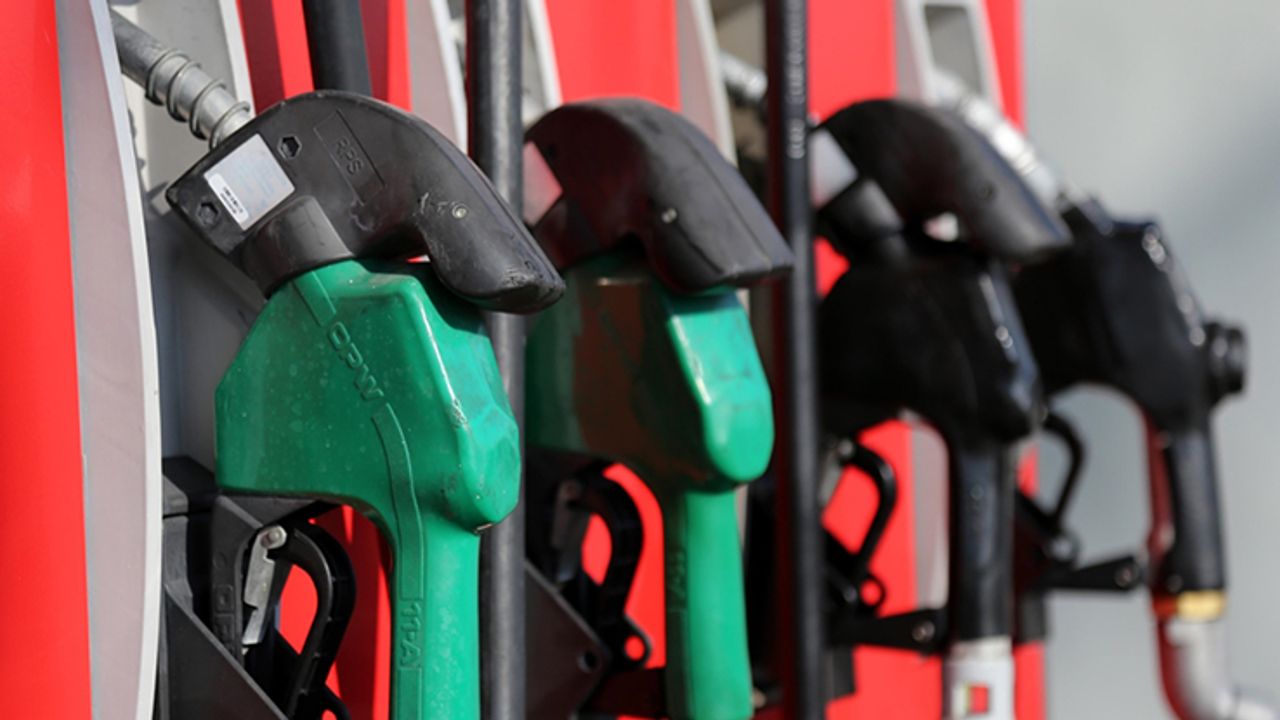
Autogas accounted for 83.7 percent of the market, confirming its dominance as the most preferred fuel among drivers.
Bottled LPG represented 14.1 percent.
Bulk LPG held a 2.3 percent share.
The strong position of autogas shows why Türkiye continues to be one of the leading markets in the world for vehicles powered by LPG, driven by affordability and widespread refueling infrastructure.
Broader Market Implications
These shifts in imports, exports and production underline how Türkiye’s LPG market remains sensitive to global supply dynamics while simultaneously building its role as an exporter. The balance between import dependency and growing domestic capacity will continue to shape energy security strategies.
Meanwhile, the dominance of autogas illustrates how consumer demand in Türkiye diverges from global patterns, where bottled LPG often plays a larger role. The widespread adoption of LPG-powered vehicles continues to reduce household energy costs and contribute to emissions reduction goals.
Türkiye’s June 2025 LPG report makes clear that the country is navigating a transitional phase: moderating imports, boosting exports, increasing production and sustaining robust domestic consumption. How these trends evolve will be central to both national energy policy and Türkiye’s broader economic strategy.