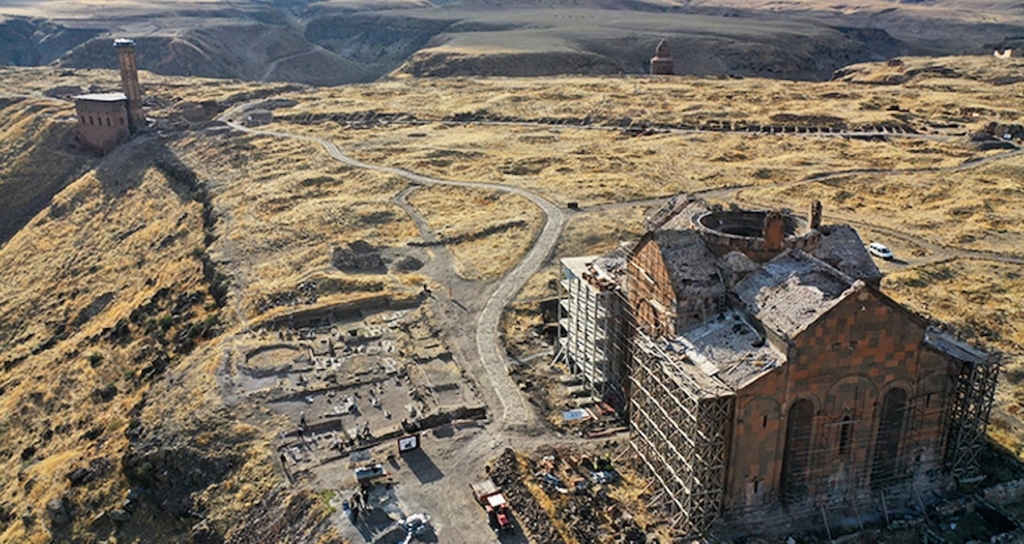

Nestled in the eastern reaches of Türkiye, the UNESCO World Heritage Site of Ani stands as a monumental gateway to Anatolia, preserving the vestiges of civilizations that have shaped the region over centuries. Known as the “City of 1001 Churches,” Ani encompasses a remarkable collection of 11th and 12th-century Turkish-Islamic architectural works that reflect the region’s rich and complex history.
The site, located in Kars province, offers not only a glimpse into medieval urban planning but also an invaluable record of the early Islamic presence in Anatolia.
A Crossroads of Civilizations
Throughout its history, Ani has been a nexus for empires and dynasties that shaped Anatolia and the South Caucasus. The Bagratid dynasty initially established the city as a prominent Armenian center, followed by periods of Byzantine, Great Seljuk, Georgian, Mongol, Ilkhanid, Karakoyunlu, Akkoyunlu, and Ottoman rule. This succession of powers has left Ani with a unique architectural and archaeological tapestry, making it a critical site for scholars studying the region’s cultural and political evolution.
Amid these layers of history, the site preserves examples of both religious and funerary architecture, providing evidence of the early adoption of Islamic cultural practices in Anatolia. Notably, the Fethiye Mosque, built upon the foundation of the former Ani Cathedral, is cited as the location of the first Friday prayer in Anatolia, underscoring the site’s historical and spiritual significance.
Recent Archaeological Discoveries
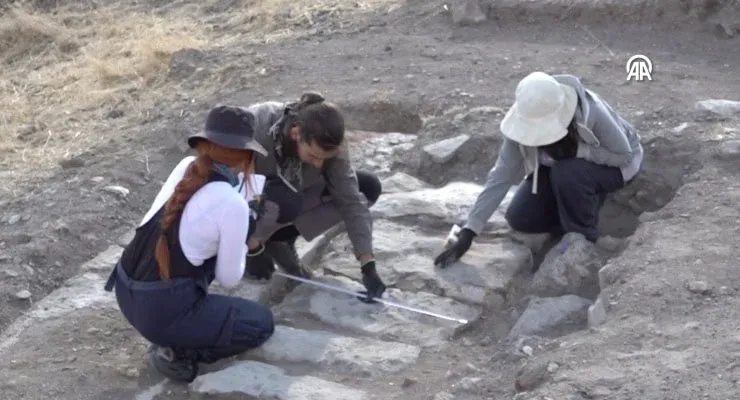
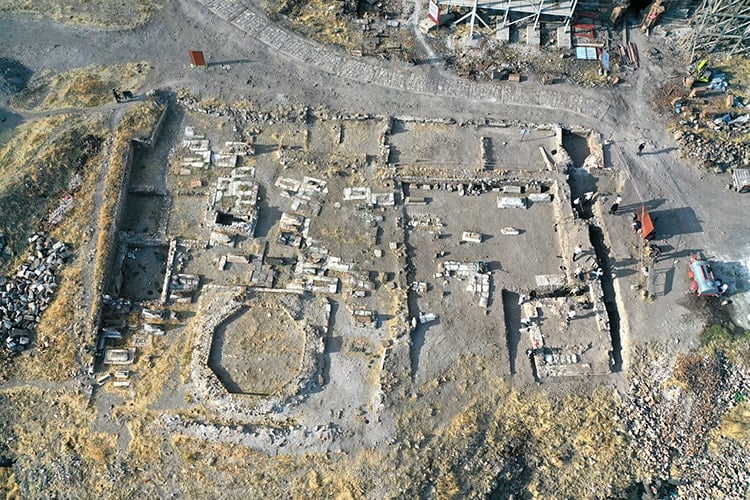
Excavations near the Fethiye Mosque have revealed remnants of a Seljuk-period brick mausoleum, known as a kümbet, shedding light on the early Islamic funerary architecture in the region. These brick-bodied structures were key to the Seljuk tradition, originally developed in Iran and Central Asia, and their presence in Ani marks a significant transfer of architectural knowledge to Anatolia following the Seljuk conquest.
Doç. Dr. Muhammet Arslan, head of the excavation project, highlighted the significance of the discovery: “This site can be considered the first Turkish-Islamic cemetery in Anatolia. Its location, just about 30 meters southwest of the Fethiye Mosque, indicates that this was likely the first selam cemetery established in the region.”
Previously, excavation seasons had uncovered a Seljuk mausoleum built on a square base with an octagonal body, along with surrounding gravestones and sarcophagi. Many of these graves feature the “akıt” style, a type of Islamicized tomb chamber originating from Central Asia, demonstrating the Seljuks’ adaptation of their architectural heritage to Anatolia.
The Seljuk Brick Mausoleum
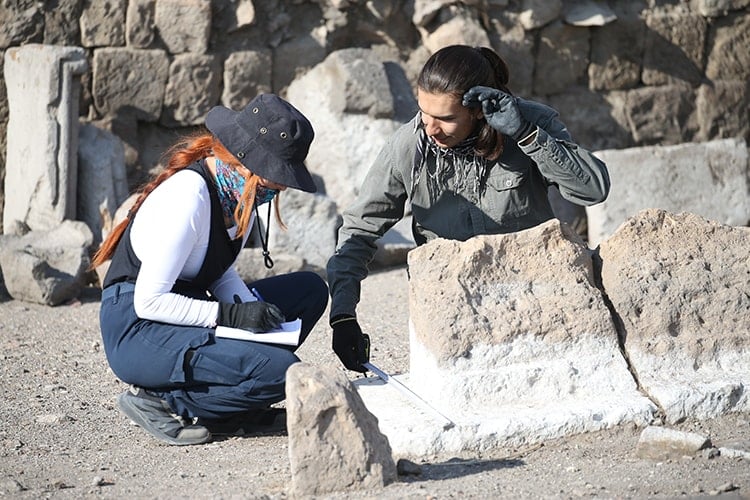
The recent uncovering of a brick-bodied Seljuk kümbet represents perhaps the earliest example of such mausoleums in Anatolia. According to Dr. Arslan, “This could be one of the first, if not the very first, examples of mausoleum architecture in Anatolia. It dates back to the period immediately following Sultan Alp Arslan’s conquest in 1064, marking the establishment of Islamic funerary traditions in newly annexed territories.”
These findings underscore the cultural and historical continuity between the Seljuk territories in Iran and their newly conquered lands in Anatolia. The use of brick as a construction material not only reflects technological knowledge transferred from Central Asia but also signifies the symbolic import of these mausoleums as markers of Islamic presence and authority.
Cultural and Historical Significance
The discoveries at Ani provide a rare window into the formative period of Turkish-Islamic architecture in Anatolia. They reveal how the Seljuks merged existing architectural forms with their own cultural and religious expressions, creating hybrid structures that were both functional and symbolic.
The site’s proximity to the Fethiye Mosque suggests a deliberate integration of religious and funerary spaces, allowing early Islamic communities to anchor their spiritual and social life within a defined sacred landscape. These early cemeteries and mausoleums served not only as burial sites but also as visual affirmations of the Seljuks’ expanding influence in Anatolia.
Excavation Techniques and Ongoing Research
Archaeologists continue to excavate the surrounding area to fully expose the brick mausoleum, employing careful stratigraphic methods to preserve the integrity of the site. The research team is documenting the structure’s dimensions, decorative motifs, and construction techniques, aiming to provide comprehensive insights into Seljuk architectural practices.
Such meticulous work is crucial for understanding the broader historical narrative of Ani, especially considering the overlapping cultural layers from various dynasties. By contextualizing these findings within Anatolia’s long history, scholars can better interpret the diffusion of Islamic architectural and funerary practices across the region.
Implications for Heritage Preservation
The discoveries at Ani emphasize the importance of preserving UNESCO World Heritage Sites as living records of human history. As tourism and scholarship increasingly intersect at these sites, balancing conservation with public engagement remains a priority. The newly uncovered Seljuk mausoleum, along with other architectural treasures, provides opportunities for educational programs, guided tours, and interactive exhibits that highlight the early Islamic heritage of Anatolia.
Moreover, the findings contribute to a broader understanding of how empires used architecture to assert cultural identity and political authority. Each mausoleum, mosque, and gravestone offers tangible evidence of the interplay between power, religion, and community in medieval Anatolia.
Connecting Past and Present
Ani’s rich historical narrative demonstrates the enduring impact of cultural exchange, conquest, and adaptation. The site not only reflects the architectural ingenuity of the Seljuks but also preserves the layered histories of preceding and succeeding civilizations. Today, researchers, historians, and visitors can trace the evolution of Turkish-Islamic architecture from its earliest manifestations in Anatolia, gaining a deeper appreciation for the region’s complex heritage.
By studying these early mausoleums and cemeteries, scholars can draw parallels with contemporary architectural practices, urban planning, and cultural preservation strategies, linking medieval achievements with modern approaches to heritage management.
The ongoing excavations at Ani, particularly the unearthing of the brick-bodied Seljuk kümbet, are thus more than a historical curiosity—they are a testament to the enduring significance of the region in shaping Anatolian identity and the broader Islamic architectural tradition.