

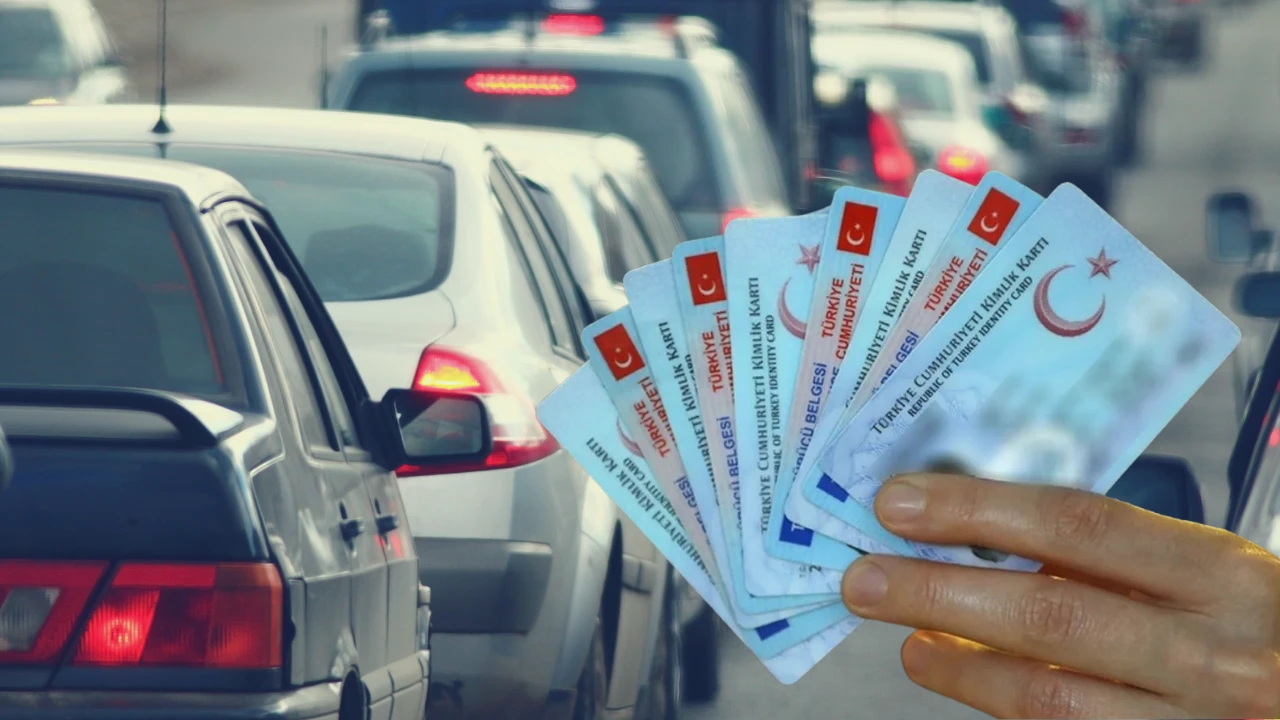
In Turkey, the deadline for exchanging old-style driver licenses for new modern driving permits is set to expire tomorrow. Motorists who have yet to update their licenses face the risk of their current documents becoming invalid, a move that has prompted widespread attention across the country. Since the transition began on January 1, 2016, a total of 36,216,016 citizens have successfully renewed their driver licenses, embracing the modernized system designed to improve road safety and standardize identification processes.
Authorities have emphasized that renewal applications submitted by tomorrow can still benefit from a minimal fee of 15 Turkish lira. After this period, the old driver licenses will no longer be considered valid for any legal or official purposes. The urgency is underscored by the fact that despite multiple public warnings and reminders, approximately 1,843,722 people are still using outdated licenses.
Significant Fee Increase Post-Deadline
The financial implications of missing the renewal deadline are substantial. Starting tomorrow, individuals renewing a Class B driver license will face a fee increase, rising sharply to 7,438.60 Turkish lira. Meanwhile, holders of old A, A1, A2, and F class licenses will be required to pay 3,643.10 Turkish lira, inclusive of all administrative charges, stamp duties, and foundation service fees. For those possessing B1, BE, C1, C1E, C, CE, D1, D1E, D, DE, G, or M class licenses, the total cost will surge to 11,235.60 Turkish lira.
Experts warn that these significant fee differences could create a rush in the final hours, as residents seek to avoid higher costs. “The window for affordable renewal is closing rapidly,” said a transportation official. “Citizens should act immediately to ensure compliance and avoid unnecessary penalties.”
Rising Application Numbers
Recent statistics indicate a surge in applications at local population directorates. In September alone, 57,858 license renewals were recorded, followed by 96,134 in August, and 214,725 in October. The trend demonstrates a clear upward trajectory as the deadline approaches, reflecting heightened public awareness and concern over the impending invalidation of old-style licenses.
During the last ten business days, a total of 129,536 individuals completed the renewal process. This uptick highlights both the administrative challenges facing government offices and the proactive steps being taken by citizens to secure valid documentation before the final cut-off.
Impact on Transportation and Daily Life
The expiration of old-style driver licenses is more than a bureaucratic adjustment; it has practical consequences for motorists throughout Turkey. Any driver found using an invalid license after the deadline may face legal penalties, fines, or restrictions on vehicle registration. Law enforcement agencies have reiterated the importance of completing renewals promptly to avoid disruptions in daily commuting, commercial transport operations, and road safety compliance.
Transportation authorities have also noted that the renewal campaign contributes to broader efforts aimed at modernizing Turkey’s road safety infrastructure. Updated licenses incorporate enhanced security features, standardized personal identification details, and compatibility with digital verification systems used across multiple government services. By transitioning to the new license format, the authorities aim to reduce fraud, improve traffic monitoring, and align with international standards for driver documentation.
Public Awareness and Communication Efforts
The government has launched extensive awareness campaigns to inform citizens about the deadline and the associated fees. Notifications have been disseminated through various channels, including social media platforms, traditional media outlets, and official websites. Despite these efforts, officials report that a significant number of license holders are still hesitant or unaware of the urgency, particularly in rural areas where access to information may be limited.
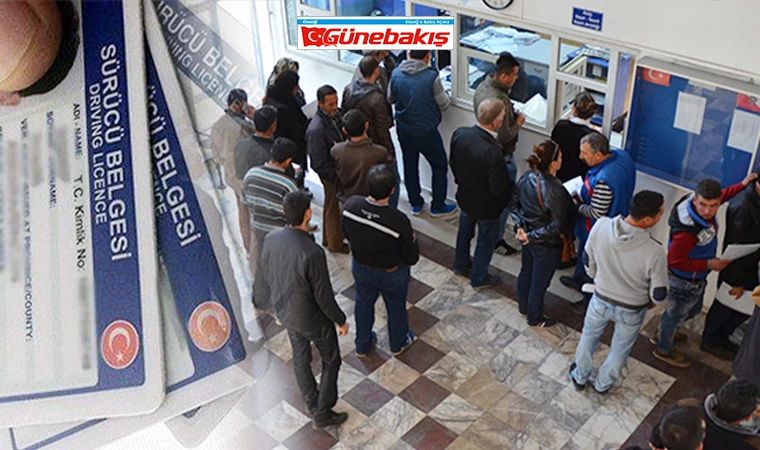
Local authorities continue to encourage proactive scheduling, advising citizens to visit population directorates or authorized renewal centers as early as possible. “We anticipate a high volume of applicants in the final 24 hours,” noted a municipal spokesperson. “To prevent long queues and delays, we recommend completing the process today if possible.”
Economic Implications of Delayed Renewal
The sharp increase in fees post-deadline is expected to have both individual and broader economic impacts. For many, especially those holding commercial or multiple vehicle licenses, the higher renewal costs represent a significant financial burden. Experts suggest that delaying the renewal not only increases personal expenses but also strains municipal resources as offices handle a sudden influx of late applications.
Transportation economists highlight that structured and timely compliance with license renewal regulations supports efficient traffic management, reduces administrative bottlenecks, and strengthens public safety outcomes. The current situation in Turkey illustrates the intersection of policy, economics, and civic responsibility, emphasizing how procedural deadlines can influence large populations.
Guidance for License Holders
Authorities recommend that all citizens review their current driver license classification and prepare necessary documentation before visiting renewal centers. Required materials typically include identity verification documents, recent photographs, and the previous driver license. For certain license categories, additional paperwork or specialized forms may be required, particularly for commercial or heavy vehicle operators.
Citizens are also advised to confirm fees in advance to ensure timely payment. While online pre-registration and fee calculation tools are available, the physical presence at designated offices remains mandatory to finalize the issuance of new licenses. These measures aim to streamline the process, reduce waiting times, and ensure compliance with updated legal and technical standards.
Lessons and Future Outlook
The imminent expiration of old-style driver licenses in Turkey highlights several key lessons for both citizens and policymakers. First, clear communication and proactive compliance are essential in large-scale administrative transitions. Second, structured timelines with transparent fee structures encourage orderly participation while mitigating risks of last-minute congestion. Finally, the modernization of identification and licensing systems reflects broader efforts to integrate technology, security, and administrative efficiency into daily governance.
Experts suggest that similar strategies could be applied to other regulatory areas, such as vehicle registration, commercial permits, and public service credentials. By learning from the current license renewal process, authorities can enhance public engagement, reduce administrative friction, and promote equitable access to essential services.
Editor’s note: This article is based on verified data from government announcements, population directorates, and official statistics regarding driver license renewal trends. The information presented aims to provide an informative and practical guide for Turkish residents facing the upcoming deadline.