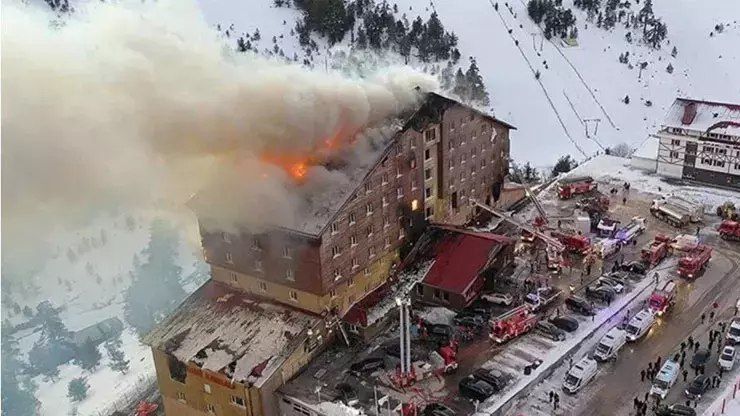

Bolu, Türkiye has witnessed a landmark judicial outcome following the tragic fire at the Grand Kartal Hotel in the Kartalkaya Ski Resort, which claimed 78 lives and injured 137 others. In a decisive ruling, the Bolu court sentenced 11 key defendants, including hotel owner Halit Ergül, to multiple aggravated life sentences for the deaths of 34 children and additional life sentences for other victims, with no reductions applied. This verdict marks one of the most significant judicial responses to a disaster in Turkey’s recent history and highlights the accountability of both private operators and public officials.
The devastating fire at the Grand Kartal Hotel shocked the nation. Families lost loved ones, and the community demanded justice for what many described as preventable negligence. The fire occurred in January, and since then, authorities have conducted a comprehensive investigation into the hotel’s operations, safety measures, and regulatory oversight.

Court Verdicts and Sentences
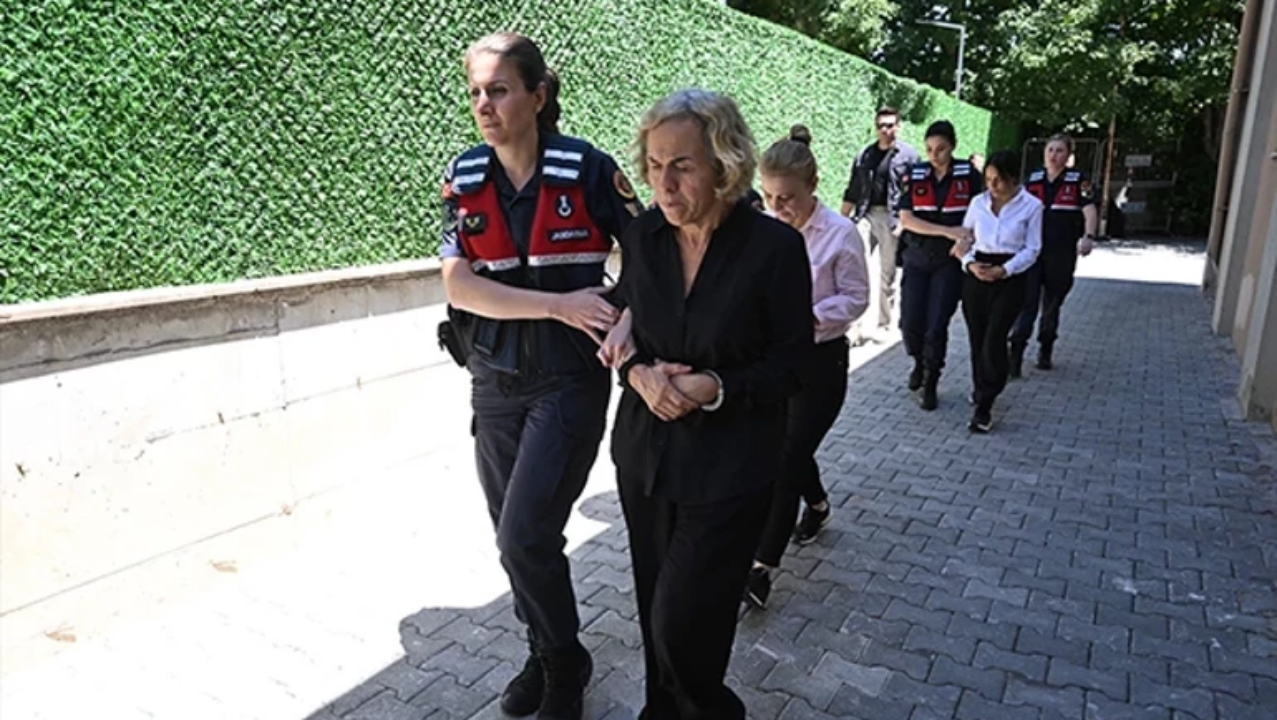
The Bolu 1st High Criminal Court delivered its verdict after extensive hearings. Eleven defendants, including the hotel owner Halit Ergül, members of the Grand Kartal A.Ş. board such as Emir Aras, Emine Murtezaoğlu Ergül, Elif Aras, and Ceyda Hacıbekiroğlu, hotel manager Zeki Yılmaz, accounting manager Kadir Özdemir, Gazelle Hotel manager Ahmet Demir, Bolu Deputy Mayor Sedat Gülener, Fire Department Acting Director Kenan Coşkun, and firefighter İrfan Acar, received severe sentences.
Each defendant was handed 34 aggravated life sentences for the deaths of children and 44 life sentences for other victims, demonstrating the court’s strict approach to accountability. Notably, the court applied these penalties without any reduction, emphasizing the gravity of the negligence and its tragic consequences.
Trial Proceedings and Security Measures
The trial was held in a specially arranged hall at Bolu Social Sciences High School, accommodating defendants, victims’ families, legal representatives, and injured parties. Security was heightened around the venue, with surrounding streets closed to traffic and law enforcement monitoring all entrances. The proceedings were also recorded via the Audio-Visual Information System (SEGBİS), ensuring transparency and official documentation.
During the fourth day of the hearings, defendants and their lawyers provided statements regarding the main charges. The court allowed additional defense opportunities related to accusations of intentional homicide against individuals unable to defend themselves, including children and women, as well as charges of aggravated injury.
Defendants’ Statements
In their final statements, defendants reiterated previous claims. Emine Murtezaoğlu Ergül, a board member of the hotel company, expressed remorse but offered no new details. She stated, “I am deeply saddened and repeat my earlier defense. I have nothing further to add.”
Halit Ergül, the hotel owner, maintained that no structural changes were made that could have increased fire risks. He claimed that he was unfamiliar with all staff members and denied any direct responsibility for the safety failures. Ergül emphasized that regulatory oversight was primarily the responsibility of the Ministry of Culture and Tourism and expressed regret that deficiencies were not communicated to him earlier. He added, “Had I known, I would have closed the hotel myself to prevent this tragedy.”
Charges and Legal Background
The indictment, prepared by the Bolu Public Prosecutor’s Office and accepted by the 1st High Criminal Court, listed 32 defendants, including hotel owners, board members, managers, and municipal officials. The prosecutors sought sentences of up to 1,998 years for charges including intentional killing by possible intent and intentional injury by negligence.
Additional defendants, including technical staff, kitchen personnel, safety experts, and representatives from energy and certification companies, faced charges for causing multiple deaths and injuries due to gross negligence, with potential sentences of 22 years and six months. Some municipal and fire department officials faced 2 to 15-year sentences for contributing to the disaster through oversight failures. One defendant, a kitchen staff member, was recommended for acquittal.
National and Community Impact
The Bolu Kartalkaya tragedy brought national attention to hotel safety standards, emergency preparedness, and regulatory compliance in Türkiye’s tourism sector. The court’s stringent rulings underscore the importance of accountability at all levels, from private enterprise to public oversight. Families of victims have expressed relief at the severity of the sentences, seeing them as a recognition of the profound losses they endured.
This case has also sparked discussions about the responsibility of local authorities and government bodies in preventing such disasters. Critics argue that the fire revealed systemic gaps in inspection procedures and emergency protocols, highlighting the need for comprehensive reforms in safety regulations across the country.
Lessons and Future Measures
Beyond the courtroom, the Bolu Kartalkaya verdict serves as a stark reminder of the consequences of negligence in hospitality and public safety. Experts suggest that strict adherence to building codes, regular inspections, fire drills, and employee training are essential to prevent similar tragedies. The ruling may prompt other hospitality businesses to reassess their safety protocols, ensuring that such a disaster is not repeated.
Furthermore, this case emphasizes the interplay between corporate responsibility and governmental oversight. It illustrates how lapses at multiple levels can culminate in large-scale human tragedy, reinforcing the need for transparent communication between regulators and businesses.
Editor’s Commentary
The Bolu Kartalkaya Grand Kartal Hotel case is a sobering example of accountability in action. While the sentences are severe, they reflect the tragic scale of loss and the court’s commitment to justice. The tragedy and ensuing legal process highlight the critical importance of stringent safety measures, ethical management, and proactive governance in protecting lives. For journalists, policymakers, and business leaders, this case offers valuable lessons on crisis prevention, responsibility, and the human cost of negligence.