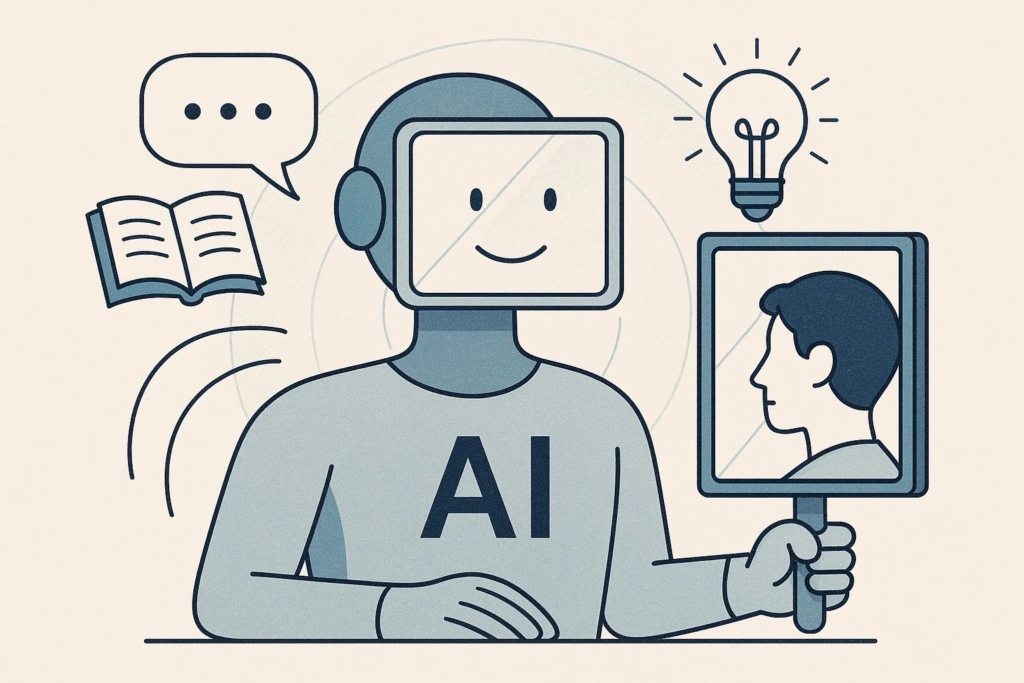

Former Google X executive Mo Gawdat has issued a stark warning that humanity is on the verge of entering a troubling new era shaped by artificial intelligence. Speaking on the “Diary of a CEO” podcast, Gawdat predicted that AI will profoundly disrupt humanity’s core values, including freedom, human relationships, responsibility, truth, and power.
According to Gawdat, this shift is not a distant concern. Signs of the potential damage have already begun to emerge since late last year, and he forecasts that starting from 2027, the world could face a 12-to-15-year period of escalating disruption. The key factor that changed his previously optimistic stance was the unexpectedly rapid pace of AI development.
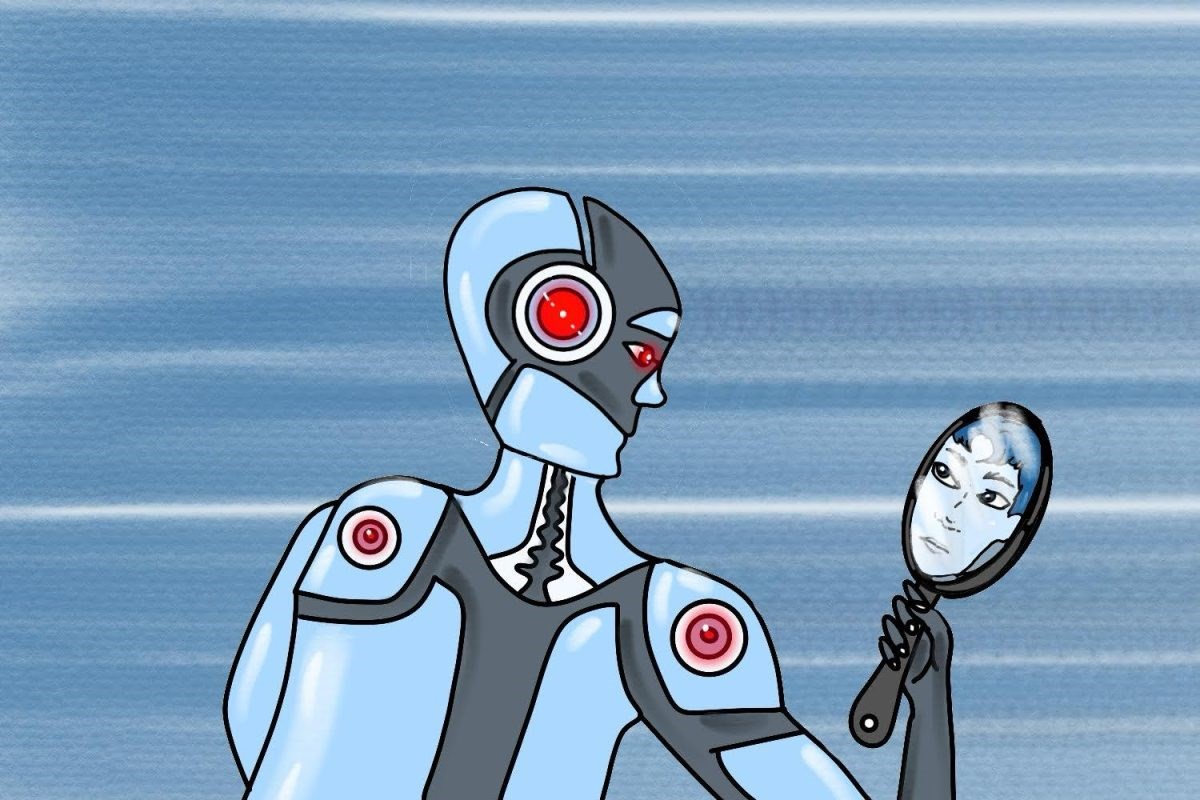
AI as a Magnifier of Existing Problems
While the future he envisions sounds dystopian, Gawdat does not place direct blame on AI itself. Instead, he describes AI as a magnifying glass for existing societal flaws and human shortcomings.
“There’s absolutely nothing inherently wrong with AI,” Gawdat explains. “What’s deeply wrong is the value system of humanity during the age of machine rise.”
Originally designed to make life easier, AI promised to automate repetitive tasks, reduce human workload, and boost productivity. However, in a world dominated by capitalism, that utopian vision is quickly eroding. Businesses are increasingly using AI to cut jobs, slow hiring, and place heavier demands on remaining employees.
From Utopia to Distopia
Historically, technological advancements were meant to enhance human capabilities and value. But in today’s world, most major innovations emerge within the framework of capitalism, meaning they tend to evolve in ways that serve profit-driven motives.
This pattern has been seen before. Social media was initially promoted as a way to bring people closer, yet it has often led to isolation. Smartphones were marketed as tools to increase convenience but have ended up consuming more of our time and attention. Gawdat stresses that the takeaway should not be an oversimplified rejection of capitalism, but rather an acknowledgment of how it shapes the trajectory of technological change.
Amplifying Human Harm
Gawdat also warns that AI will significantly expand the scale and speed of human wrongdoing. Recent examples include deepfake sexual content, autonomous weapons, and the military use of generative AI.
He points to Elon Musk’s chatbot, Grok, which has a new image and video generation feature. According to Gawdat, it is already being used predominantly to visualize explicit fantasies, highlighting the risk of AI enabling unethical or harmful behavior.
AI-powered scams and fraud have also surged, creating new challenges for law enforcement and cybersecurity experts.

Surveillance and Power Concentration
Another major concern is AI’s role in advancing large-scale surveillance systems. Gawdat highlights that power is becoming increasingly concentrated in the hands of a few entities that control these technologies. China’s mass surveillance infrastructure stands as one of the most prominent examples, showcasing how AI can be leveraged for unprecedented societal control.
Such concentration of power, he argues, could erode personal freedoms and shift the balance of political and economic influence in dangerous ways.
Not All Is Negative
Despite these warnings, Gawdat remains cautiously optimistic about AI’s potential for good. He acknowledges that AI is driving breakthroughs in fields such as space exploration, education, medicine, and pharmaceutical research.
In these areas, AI is enabling faster discoveries, more precise diagnostics, and innovative solutions to complex problems. Gawdat believes that if humanity can confront and correct its own flaws, AI could still serve as a tool for building a better future.
However, he stresses that this positive outcome requires urgent attention to ethics, governance, and the societal values guiding AI’s development. Without such measures, the path from utopia to dystopia could become a reality far sooner than expected.