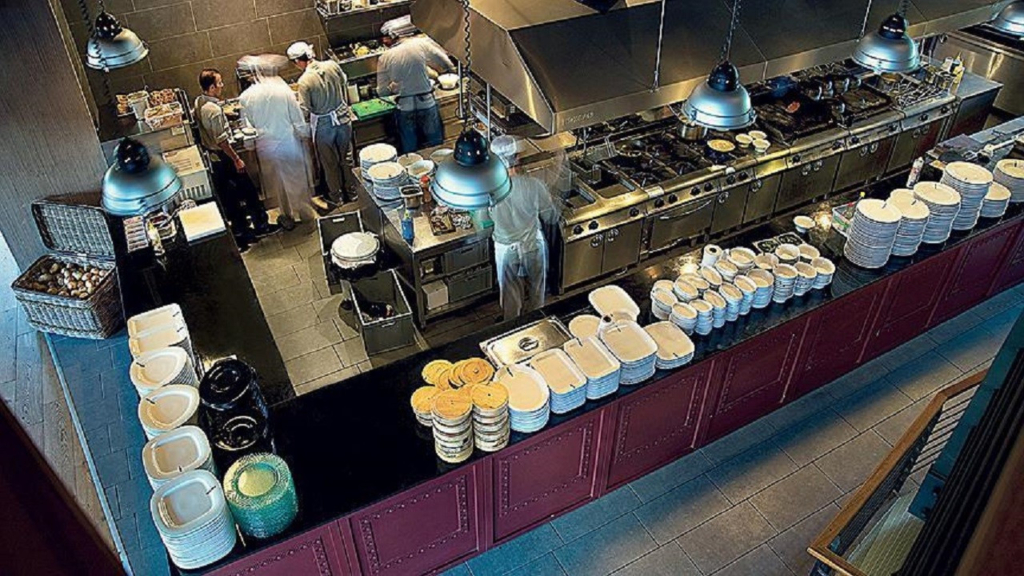

The catering and ready-meal sector in Türkiye is experiencing rapid expansion, with new technologies and innovative business models reshaping the way food services are delivered. According to Hüseyin Bozdağ, Chairman of the Union of Chambers and Commodity Exchanges of Türkiye (TOBB) Services Assembly and President of the Federation of Catering Industrialists’ Associations (YESİDEF), the industry grows by nearly 15 percent each year. He emphasized that a single catering order activates as many as 56 different sectors, showing the broad economic impact of this field.
This article examines the growing scale of Türkiye’s catering industry, the emergence of ghost kitchens, the integration of artificial intelligence into menu planning, and the “satellite kitchen” project designed to improve living standards for retirees.
A Fast-Growing Market With Global Ambitions
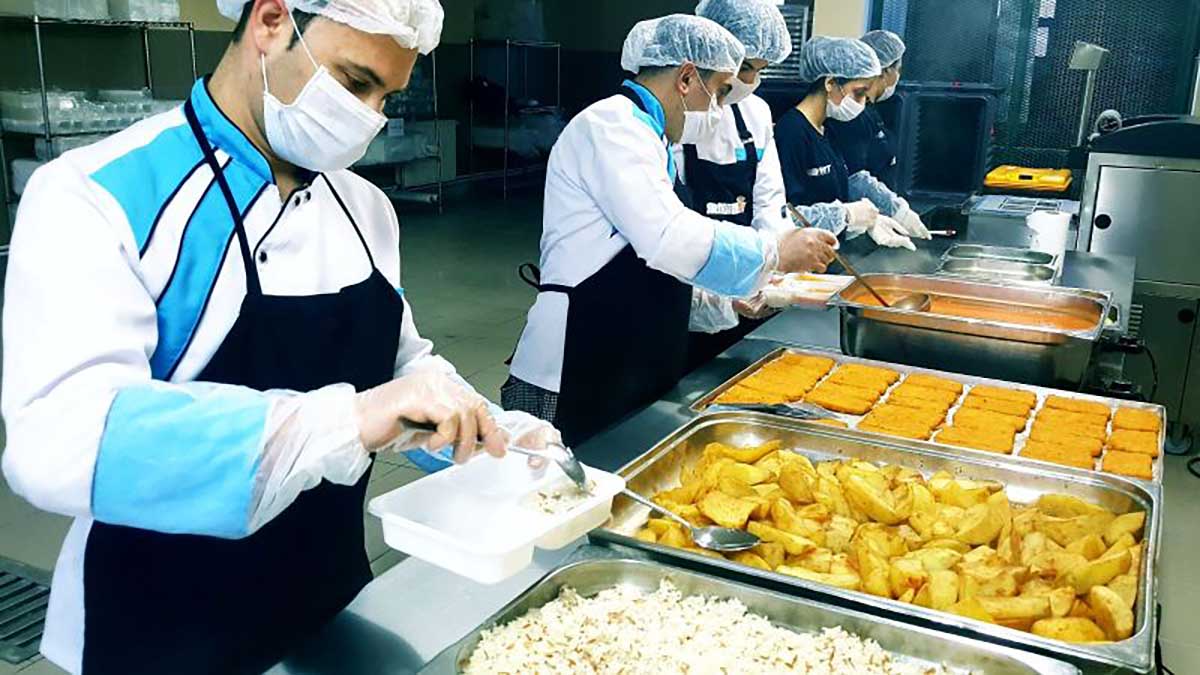
Bozdağ highlighted that Türkiye’s catering companies are beginning to make their mark globally. One Turkish firm managed food services for guests from 154 countries during the Qatar World Cup, showcasing the sector’s international potential.
Currently, 5,800 companies in Türkiye operate with licenses from the Ministry of Agriculture and Forestry. This illustrates the scale of the sector, which is increasingly adopting digital tools and innovative service models.
Technology Integration and AI in Menu Planning
The industry is not just about preparing and delivering meals anymore. Bozdağ explained that technological solutions are now used for planning menus and calculating calories. For instance, artificial intelligence systems are applied to measure nutritional needs based on guidelines from the World Health Organization for different workforce groups, such as white-collar and blue-collar employees.
This move toward data-driven nutrition demonstrates how the catering sector in Türkiye is aligning itself with global health standards while improving efficiency.
The Rise of Ghost Kitchens
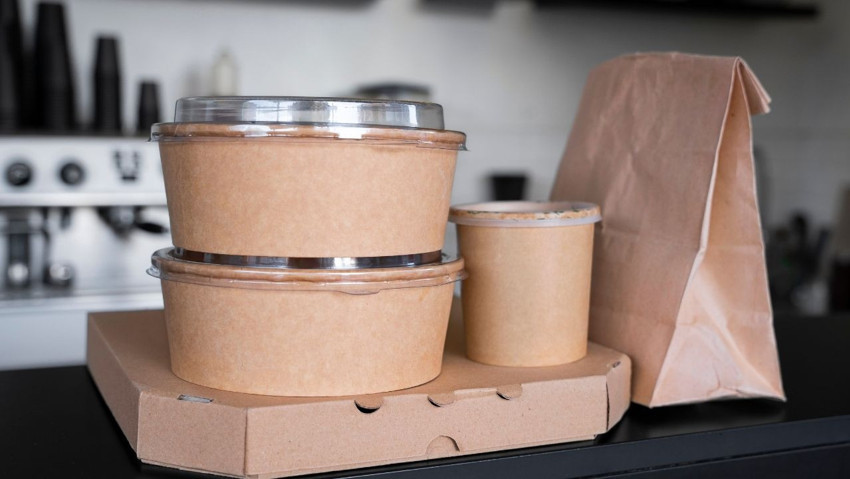
One of the most notable innovations is the introduction of ghost kitchens, also known as cloud or virtual kitchens. These facilities operate without seating areas, focusing exclusively on online orders and delivery services.
Bozdağ revealed that they are developing an application that will allow bulk catering orders to be placed remotely with just one click. He compared this model to existing platforms for booking taxis or renting homes, noting that soon companies and individuals will be able to order meals through similar systems.
The aim is to roll out this service across Türkiye and eventually expand it globally, positioning the country as a hub for advanced catering solutions.
Satellite Kitchens for Retirees
Another innovative initiative is the “satellite kitchen” project, which targets retirees. Under this plan, kitchens would be established in satellite cities surrounding major urban centers. These kitchens would provide three meals a day for retirees at an estimated monthly cost of 18,000 lira per person.
The system would eliminate the need for retirees to worry about groceries, cooking fuel, or daily meal preparation. Bozdağ explained that the project is designed to reduce household burdens, support retirees’ quality of life, and contribute to Türkiye’s fight against inflation by offering predictable and stable meal pricing.
Broader Impact of Catering on the Economy
The catering industry plays a unique role in stimulating multiple sectors at once. From agriculture and logistics to packaging and transportation, a single catering order involves numerous industries. This multiplier effect makes catering not only a consumer service but also a driver of employment and economic stability.
The emergence of ghost kitchens and AI-driven solutions could further enhance this interconnected network, increasing efficiency while keeping costs manageable.
Why Ghost Kitchens Matter for the Future
Globally, ghost kitchens are considered a transformative model for the food service industry. By removing the need for dine-in facilities, businesses can cut overhead costs and focus entirely on delivery. For Türkiye, this means catering companies could expand more quickly, reaching customers in areas where traditional restaurants would be too expensive to establish.
Moreover, the convenience factor cannot be overstated. As consumers become more accustomed to on-demand services, the ability to order catering through a dedicated app will align with modern digital habits.
A Human-Centered Approach
At the heart of these initiatives is an effort to make life easier for both businesses and individuals. For employees, healthier menus tailored to their workload can improve productivity. For retirees, satellite kitchens promise relief from the burdens of daily meal preparation. And for the wider public, ghost kitchens offer greater convenience and variety.
These steps show that the catering industry in Türkiye is not only growing in numbers but also evolving in quality and scope. By combining tradition with innovation, it is positioning itself as a leader in the global food service sector.
Türkiye’s ready-meal industry is clearly on the rise, fueled by technological integration, ambitious global strategies, and social projects aimed at improving everyday life. As ghost kitchens and satellite kitchens take shape, the sector may well become a benchmark for other countries seeking to modernize their food services.