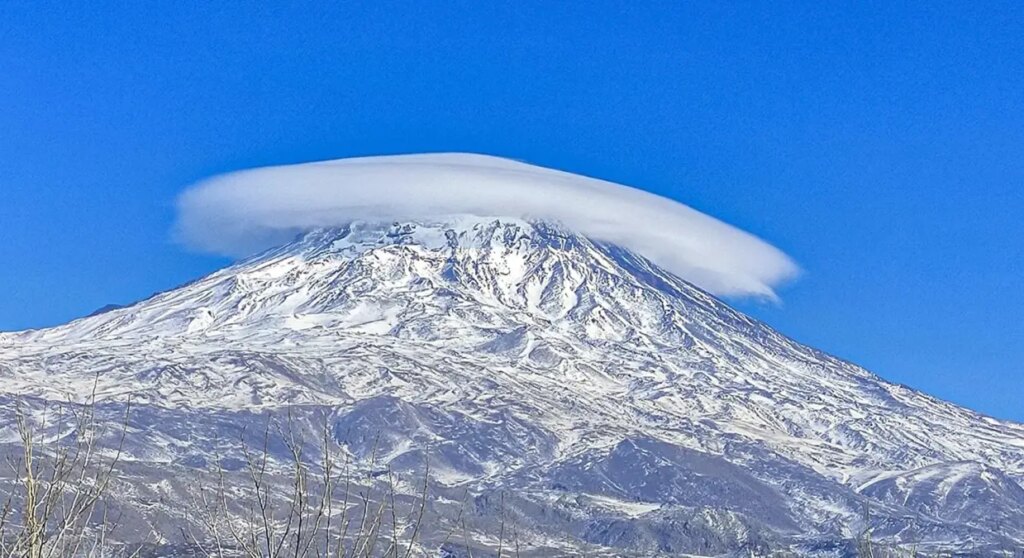

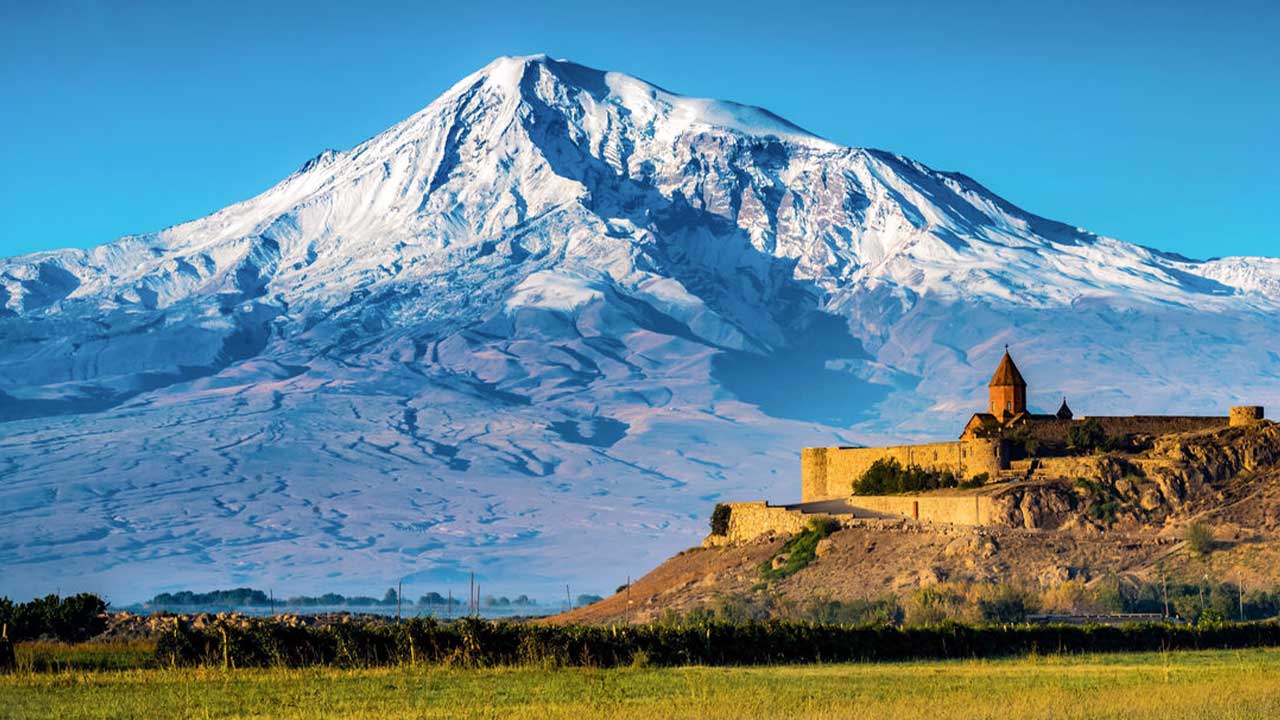
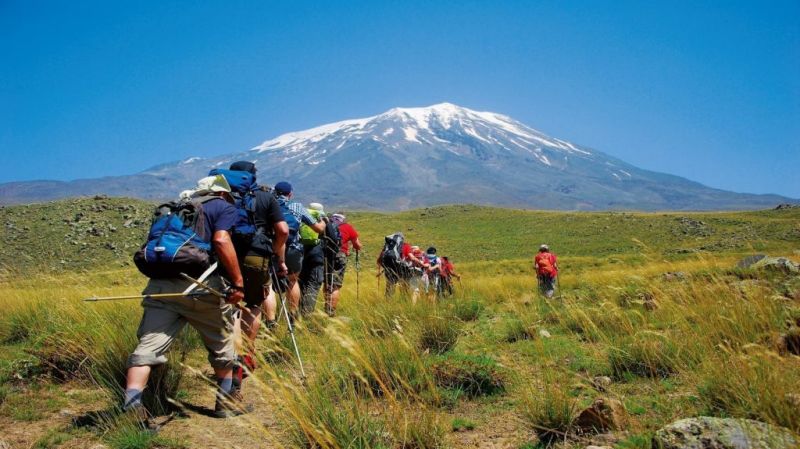
Climate change is no longer a distant threat—it is a visible crisis unfolding in Turkey’s most iconic natural landmarks. One of the most telling examples is the melting glacier atop Mount Ararat, known locally as “Türkiye’nin çatısı” (the roof of Turkey). Towering at 5,137 meters, this majestic peak is now bearing the brunt of global warming, with scientific studies revealing a shocking 41% reduction in its glacier surface over the past 37 years.
A Glacier in Retreat
According to Professor Dr. Alperen Kayserili, Dean of the Faculty of Arts and Sciences at Ağrı İbrahim Çeçen University and a Geography Department scholar, satellite imagery from 1987 to 2024 shows a dramatic decrease in glacier coverage. The glacier, which once spread over 8,042 square kilometers, now barely spans 4,095 square kilometers.
“This means a shrinkage of around 3,047 square kilometers—roughly 41% of the glacier’s surface has vanished in just 37 years,” Kayserili stated. “Our evaluation clearly reflects the serious retreat of the glacier, underscoring the tangible impacts of climate change in Eastern Turkey.”
From 3,500m to Over 4,000m
Beyond surface area loss, the glacier’s altitude threshold has shifted drastically. Once visible around 3,500 meters in the summer months—as seen in footage from the 1975 Turkish film “Ağrı Dağı Efsanesi”—the glacier has now retreated beyond the 4,000-meter mark.
“This upward shift in the glacier boundary is a direct indicator of global warming’s severity on Mount Ararat,” Prof. Kayserili emphasized.
Turkey’s Largest Glacier Faces Extinction Within 50 Years
Kayserili also warns of a devastating future scenario. If current warming trends continue, the remaining glacier could be lost within the next 50 years. Analysis shows that from 1987 to 2024, the glacier shrank by an average of 0.0938 square kilometers annually.
“This current trajectory suggests that Turkey’s largest glacier may vanish, depriving the region of a vital ecological and hydrological component,” he added.
A Future Without Ice?
Mount Ararat’s fate may mirror that of Mount Kilimanjaro, Africa’s highest peak (5,895 meters), which has already lost nearly all its glaciers due to persistent warming. Scientists fear Mount Ararat may soon follow the same path, transforming into a barren volcanic landscape.
“This isn’t just a natural loss—it’s an environmental catastrophe in the making,” Kayserili warned. “The glacier is not only a symbol of Turkey’s geography but also a crucial water source and biodiversity reservoir. Its disappearance would trigger major ecological and socio-economic problems.”
Why This Matters for Turkey
Climate Change in Turkey
Turkey is no stranger to the consequences of global climate change. From increasing wildfires in the Aegean and Mediterranean coasts to rising sea levels in Istanbul and drought threats in Central Anatolia, the country is experiencing a multifaceted climate crisis. The melting of Mount Ararat’s glacier is a particularly symbolic and alarming representation of this broader problem.
Agriculture and Water Supply: As glaciers melt, seasonal freshwater supplies dwindle, especially in arid regions that rely on glacial runoff for irrigation.
Biodiversity: Glaciers support unique ecosystems. Their loss leads to habitat destruction, impacting local flora and fauna.
Tourism: Mount Ararat is a major tourist attraction, particularly for climbers and adventure seekers. Its transformation may reduce eco-tourism potential.

Political and Scientific Response
While the science is clear, Turkey’s political response to climate change remains a topic of debate. Although the country ratified the Paris Climate Agreement in 2021 and set net-zero emission targets by 2053, implementation has been slow, and environmental protections often fall secondary to economic interests.
There is limited investment in glacier monitoring and minimal public awareness about their significance. Experts like Prof. Kayserili call for:
Expanded research funding for glacial and climate monitoring.
Public campaigns to raise awareness on the importance of glacier preservation.
Climate-resilient policy frameworks focusing on long-term sustainability rather than short-term development.
Lessons from Mount Ararat for Global Environmental Discourse
Mount Ararat is not just a Turkish icon—it is a global symbol of the environmental struggle. Its rapidly melting glacier highlights how even the highest and coldest places on Earth are no longer immune to climate change.
From the Swiss Alps to the Himalayas, glaciers are retreating at alarming rates. What’s happening on Ararat is part of a global pattern with serious consequences:
Rising sea levels due to increased glacier melt.
Freshwater scarcity for billions worldwide.
Increased natural disasters like floods and landslides.
What Can Be Done?
While the science paints a bleak picture, there’s still room for hope and action. Turkey—and the world—can take the following steps:
1. Strengthen Scientific Research
Establish permanent climate observatories on Mount Ararat and collaborate with global scientific networks to continuously monitor ice loss.
2. Prioritize Environmental Education
Educate the public, especially young generations, about the importance of glaciers, not just as icy wonders but as life-sustaining water sources.
3. Implement National Climate Action Plans
Translate ambitious climate pledges into enforceable laws and regional action plans, especially in Eastern Anatolia, which is disproportionately affected by warming.
4. Promote Eco-Tourism and Conservation
Use Ararat’s unique landscape to promote sustainable tourism while simultaneously funding conservation efforts.
A Vanishing Giant on Turkey’s Horizon
Mount Ararat is a towering symbol of Turkey’s natural beauty and cultural heritage. But as its glacier recedes, it reminds us of an uncomfortable truth: climate change is happening here and now, not just in distant lands. If action is not taken swiftly, this **“crown of Turkey” may soon become a dry relic of what once was—a solemn reminder of our collective inaction.