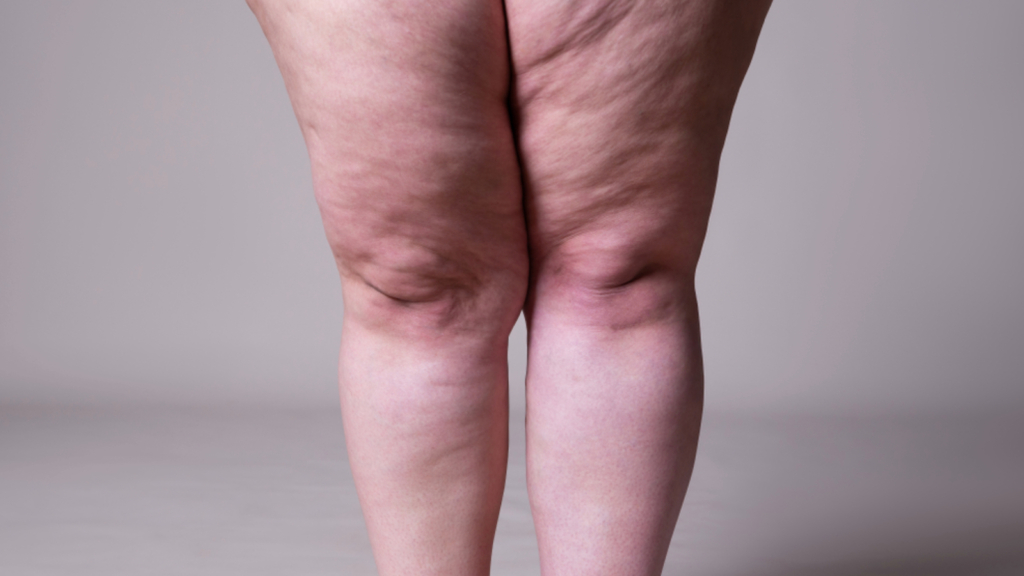

Lipedema, a chronic condition that primarily affects women, is often misunderstood, underdiagnosed, and mistakenly attributed to obesity. According to Plastic, Reconstructive, and Aesthetic Surgery Specialist Op. Dr. Ali Kaan Memiş, lipedema does not improve with weight loss and often requires clinical observation and patient history for accurate diagnosis.
Dr. Memiş emphasizes that recognizing the difference between lipedema and other conditions such as obesity or lymphedema is crucial, especially given its physical and psychological impacts.
What Is Lipedema and Why Is It Often Misdiagnosed?
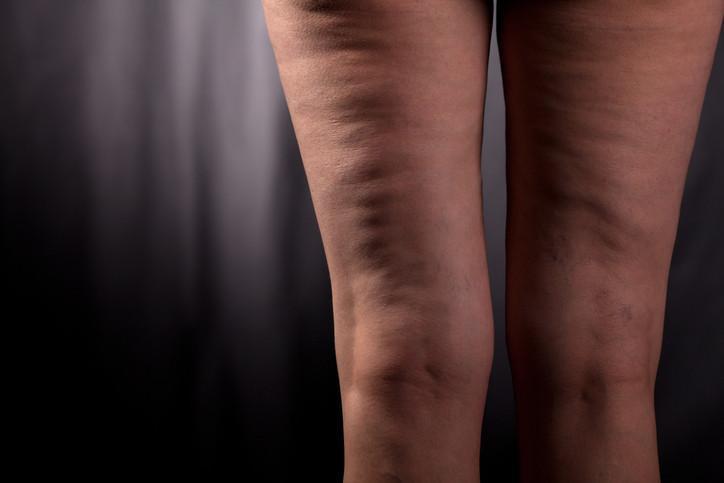
Lipedema is a genetic and hormonally influenced disorder characterized by abnormal fat accumulation in specific areas of the body—particularly the legs, hips, and sometimes arms—while the upper body remains unaffected. Unlike typical obesity, the fat in lipedema is painful, resistant to diet and exercise, and frequently accompanied by swelling, tenderness, and easy bruising.
“It’s commonly mistaken for obesity because of the visual appearance. But in lipedema, fat tissue accumulates deeper under the skin, especially in the legs and hips,” explains Dr. Memiş.
Lipedema Affects Mostly Women
Lipedema primarily affects women between the ages of 20 and 40, often surfacing or worsening during hormonal transitions such as puberty, pregnancy, or menopause. While rare, men can also develop lipedema, especially in cases involving hormonal imbalance or metabolic disorders.
According to Dr. Memiş, the condition is often triggered by hormonal changes and is not linked to lifestyle or eating habits, which makes early recognition particularly challenging.
No Specific Tests Only Clinical Diagnosis
Lipedema cannot be diagnosed through a simple blood test or imaging scan. Dr. Memiş emphasizes that diagnosis is mainly clinical, based on a patient’s history and physical symptoms.
Key indicators include:
Symmetrical fat accumulation in the lower body
Normal waist and abdominal measurements
Persistent pain and tenderness in affected areas
Frequent bruising without trauma
Fat deposits that do not respond to weight loss
“The lower body expands while the upper remains normal. That’s one of the most distinctive features of lipedema,” says Dr. Memiş.
Although ultrasound or MRI can occasionally be used to assess tissue composition, these are supportive tools rather than diagnostic standards.
Commonly Confused with Lymphedema and Obesity
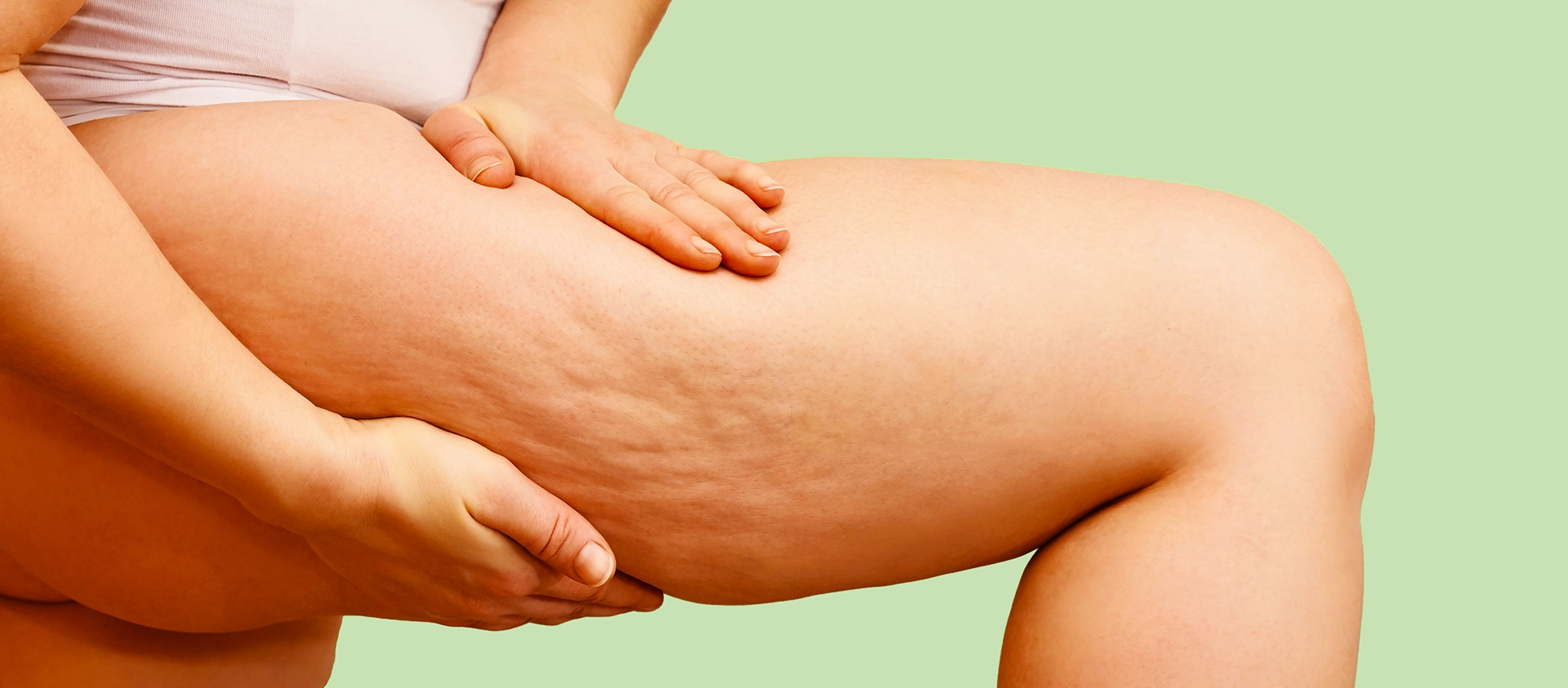
Lipedema is frequently confused with lymphedema, a condition involving the accumulation of lymphatic fluid, or with general obesity. However, there are some notable differences.
“In lipedema, the swelling usually stops at the ankles and does not affect the feet. In lymphedema, the swelling includes the feet as well,” Dr. Memiş clarifies.
Such distinctions are critical in guiding appropriate treatment plans and avoiding unnecessary or ineffective interventions.
Signs and Symptoms to Watch For
Lipedema manifests with both physical and sensory symptoms, including:
Disproportionate lower body size
Persistent leg and hip pain
Tenderness and pressure sensitivity
Small nodules under the skin
Swelling that worsens during the day
Emotional distress and body image issues
“Patients often feel pain, report sensitivity to touch, and notice bruising without clear cause. Many become frustrated when diet and exercise yield no results,” notes Dr. Memiş.
Treatment Approaches Surgical and Supportive
While lifestyle adjustments and supportive therapies can ease symptoms, lipedema is best managed through surgical intervention, particularly liposuction techniques tailored to lymph-sparing fat removal.
“Liposuction is currently the most effective treatment for lipedema. It allows removal of abnormal fat tissue and can offer long-term relief,” Dr. Memiş states.
Other management strategies include:
Manual lymphatic drainage
Compression garments
Physical therapy and exercise
Nutritional guidance to avoid additional weight gain
Dr. Memiş warns that non-surgical options do not eliminate the condition but may provide supportive symptom relief.
Recommendations for Lipedema Patients
To manage the condition effectively, Dr. Memiş offers the following advice:
Early diagnosis is essential: Persistent lower-body swelling unresponsive to diet or exercise should prompt a visit to a specialist.
Monitor weight gain: While lipedema does not improve with weight loss, additional weight can exacerbate symptoms.
Stay active: Gentle, low-impact exercise like swimming or walking can improve lymphatic circulation.
Avoid tight clothing: This can restrict blood and lymph flow, worsening swelling.
Reposition frequently: Avoid prolonged sitting or standing; change positions regularly.
Post-surgical care is critical: Those who undergo liposuction must use compression garments and follow-up care.
Seek psychological support if needed: Body image issues related to lipedema can trigger anxiety or depression, and emotional health is just as important as physical wellness.
Raising Awareness and Breaking Misconceptions
In Türkiye and globally, awareness around lipedema remains low. Many women live with the condition for years without proper diagnosis, often experiencing frustration, shame, and confusion about their bodies.
Educational campaigns, early diagnosis, and access to specialist care are essential in changing this narrative.
“Lipedema is not just about appearance. It affects mobility, mental health, and daily life. Recognizing it as a medical condition is the first step toward proper care,” Dr. Memiş concludes.