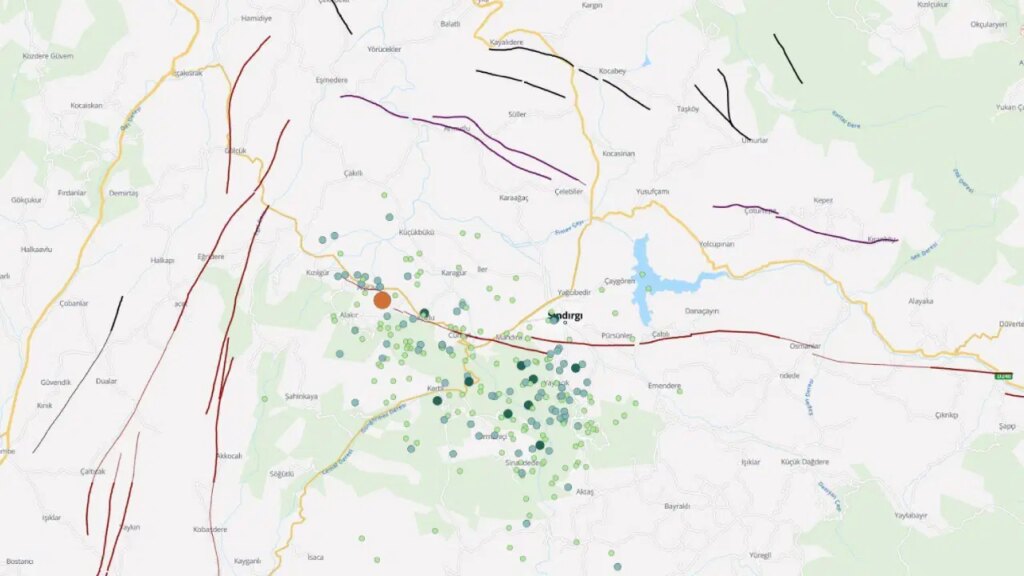

Türkiye’s Disaster and Emergency Management Authority (AFAD) has provided an update on seismic activity in the Balıkesir province following the significant earthquake that struck the Sındırgı district on August 10. The main tremor, which registered a magnitude of 6.1 (Mw), has been followed by hundreds of aftershocks—some of them strong enough to be felt across the region.
Details of the Aftershocks
According to AFAD’s statement, a total of 237 aftershocks have been recorded in the aftermath of the main quake. Of these, 10 registered magnitudes greater than 4.0, indicating continued seismic intensity in the area.
“Following the Mw 6.1 magnitude earthquake that occurred in Sındırgı (Balıkesir) on August 10, a total of 237 aftershocks have been recorded, 10 of which exceeded magnitude 4.0. The region’s seismic activity continues to be monitored 24/7 by the AFAD Earthquake Department,” the agency announced.
Ongoing Monitoring and Safety Measures
AFAD emphasized that earthquake activity in the region remains under constant observation. Using a network of seismic stations, the Earthquake Department tracks even minor tremors in real time, ensuring that emergency services are prepared for any potential developments.
Authorities have urged residents to remain cautious, avoid entering structurally damaged buildings, and follow official updates. While aftershocks are expected following a quake of this size, those above magnitude 4.0 can still pose risks—especially to weakened structures.
Regional Impact and Preparedness
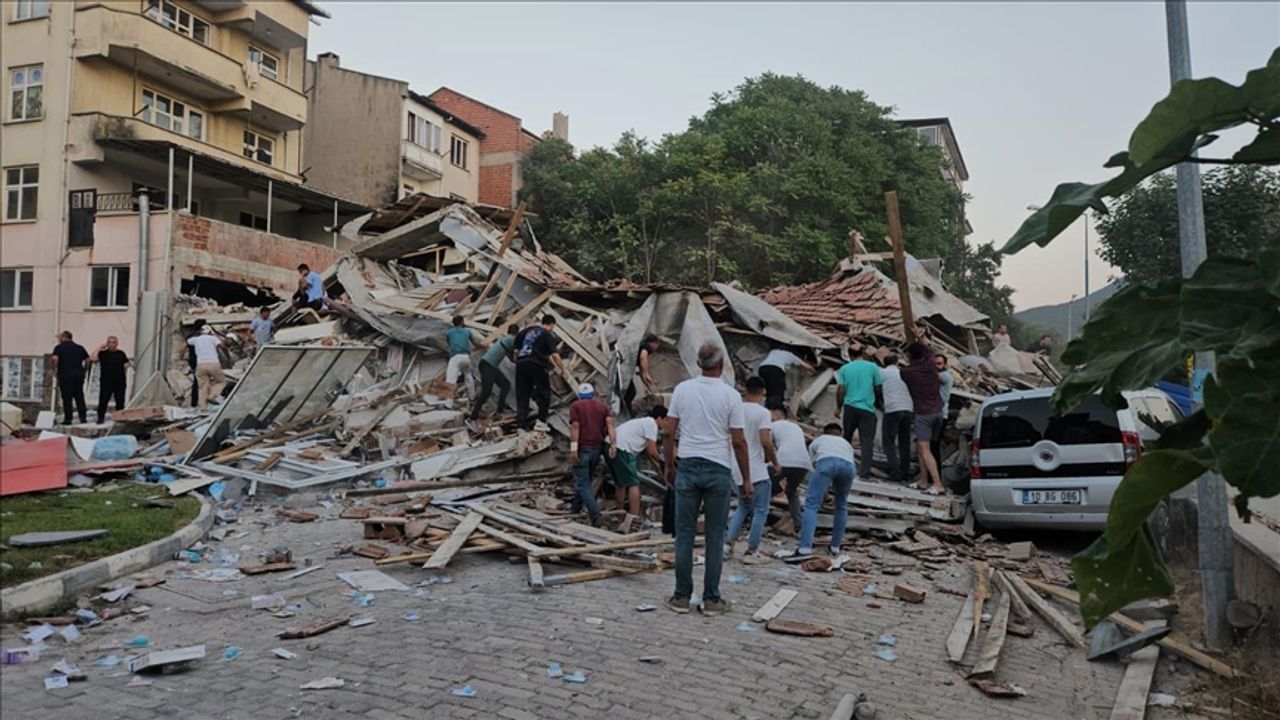
The August 10 earthquake was felt not only in Sındırgı but also in surrounding districts and neighboring provinces. While no large-scale casualties were reported in the immediate aftermath, structural damage to homes and infrastructure has been documented in several rural areas.
Local municipalities, in coordination with AFAD, have been conducting structural safety inspections, offering shelter to those displaced, and providing psychological support to affected residents. Emergency drills and public information campaigns are also being reinforced to maintain readiness in case of further significant tremors.
Historical Seismicity of the Region
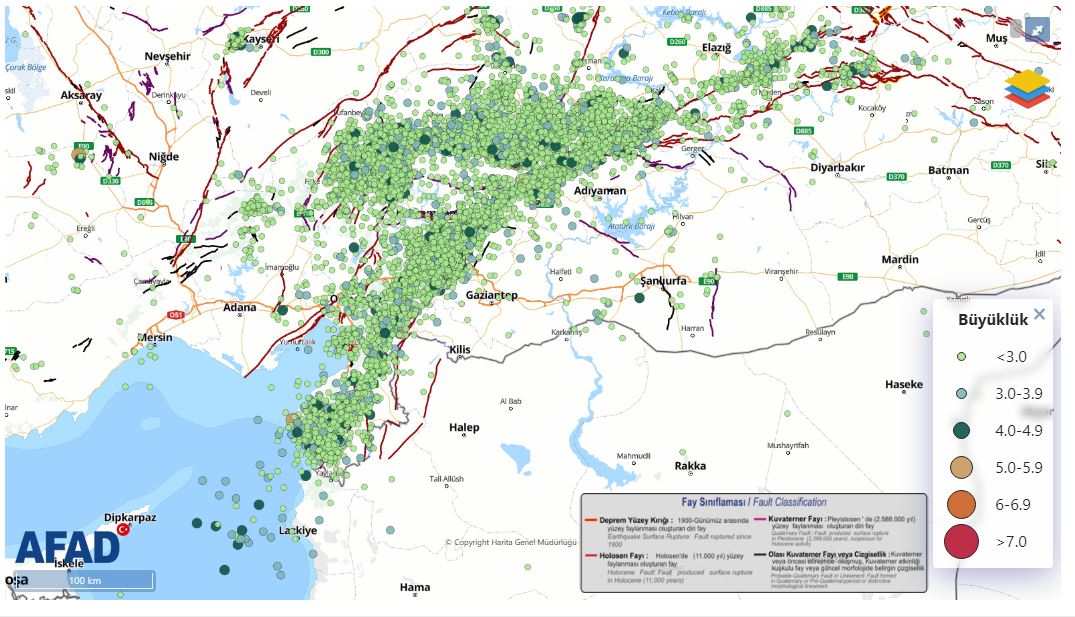
Balıkesir lies in a seismically active zone of western Türkiye, influenced by the North Anatolian Fault system. The area has a history of moderate-to-strong earthquakes, making seismic monitoring and public preparedness essential. Experts note that aftershocks following a 6.1 magnitude quake may continue for weeks, though their frequency and intensity typically decrease over time.
Looking Ahead
AFAD has reassured the public that all developments are being closely tracked and that safety remains the top priority. Residents are encouraged to download the official AFAD application for earthquake alerts and follow guidelines on emergency kits, evacuation plans, and safe sheltering practices.
As the region continues to recover from the main earthquake and its aftershocks, cooperation between local authorities, national agencies, and communities will be key to minimizing risks and ensuring a swift return to normalcy.