
In Konya, a remarkable initiative blending spirituality, community, and healthy living is making headlines. The project titled “Güle Oynaya Camiye Gel” has once again brought thousands of children together in mosques during the summer months. This year, children born in 2016 who attended morning prayers for 40 consecutive days were rewarded with brand-new bicycles, an incentive that combines encouragement for religious practice with the joy of outdoor activity.
The initiative, organized jointly by Konya Metropolitan Municipality and the Provincial Mufti’s Office, reflects how local governments can creatively merge values of faith with initiatives that also support child development and community solidarity. Beyond being a reward, the bicycles symbolize perseverance, discipline, and collective spirit.
Mayor Altay’s Message to the Children
Konya Metropolitan Mayor Uğur İbrahim Altay personally attended the distribution ceremonies, beginning with districts outside the city center. His heartfelt words underscored the essence of the program.
“In our project ‘Güle Oynaya Camiye Gel’, we have once again reached a joyful conclusion, thank God. We started delivering bicycles to our children who gathered in mosques for 40 mornings. My greatest wish is that they maintain this beautiful habit of prayer throughout their lives. I share the happiness of our children sincerely and send them my warm regards” the mayor stated.
This public message resonated with parents and children alike. It emphasized not only the immediate excitement of receiving a bicycle but also the broader vision of shaping lifelong habits rooted in faith and discipline.
A Tradition of Community and Encouragement
The project is not a one-off experiment but an ongoing initiative that has become a cherished summer tradition in Konya. It engages families, neighborhoods, and entire districts in a collective effort to nurture both spirituality and well-being in children.
Every summer, mosques become lively gathering points where the sounds of morning prayers are joined by the presence of young voices. These gatherings provide children with early exposure to religious practice while strengthening their sense of community belonging. For parents, the project also offers reassurance that their children are participating in activities that are not only meaningful but also joyful.
The Distribution of Bicycles
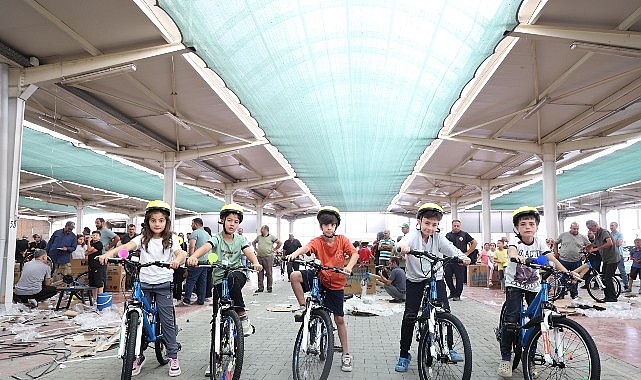
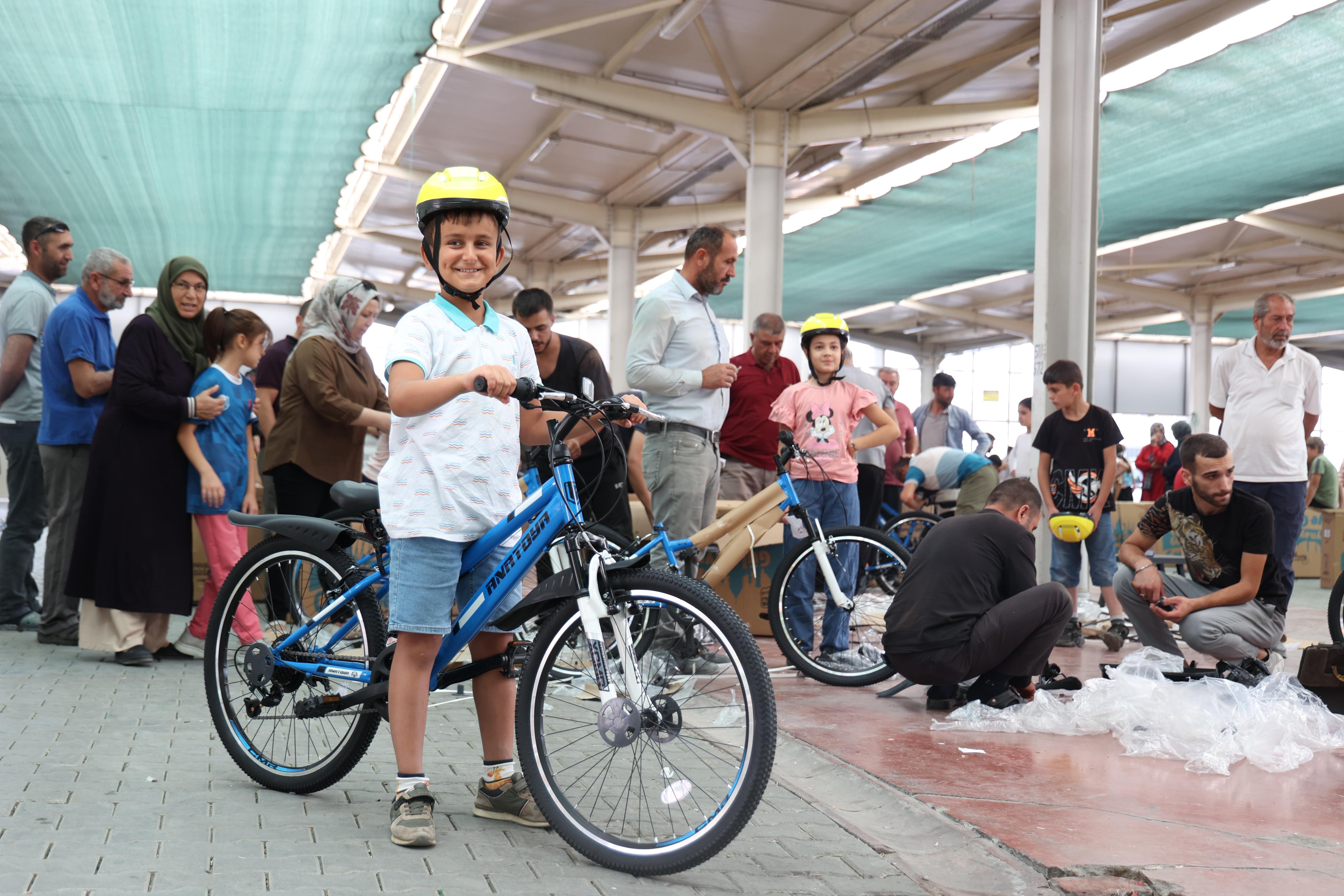
This year, 12,724 children earned bicycles after successfully attending 40 consecutive days of morning prayer between June 30 and August 18. The scale of the initiative reflects its widespread acceptance and the excitement it generates among families across the province.
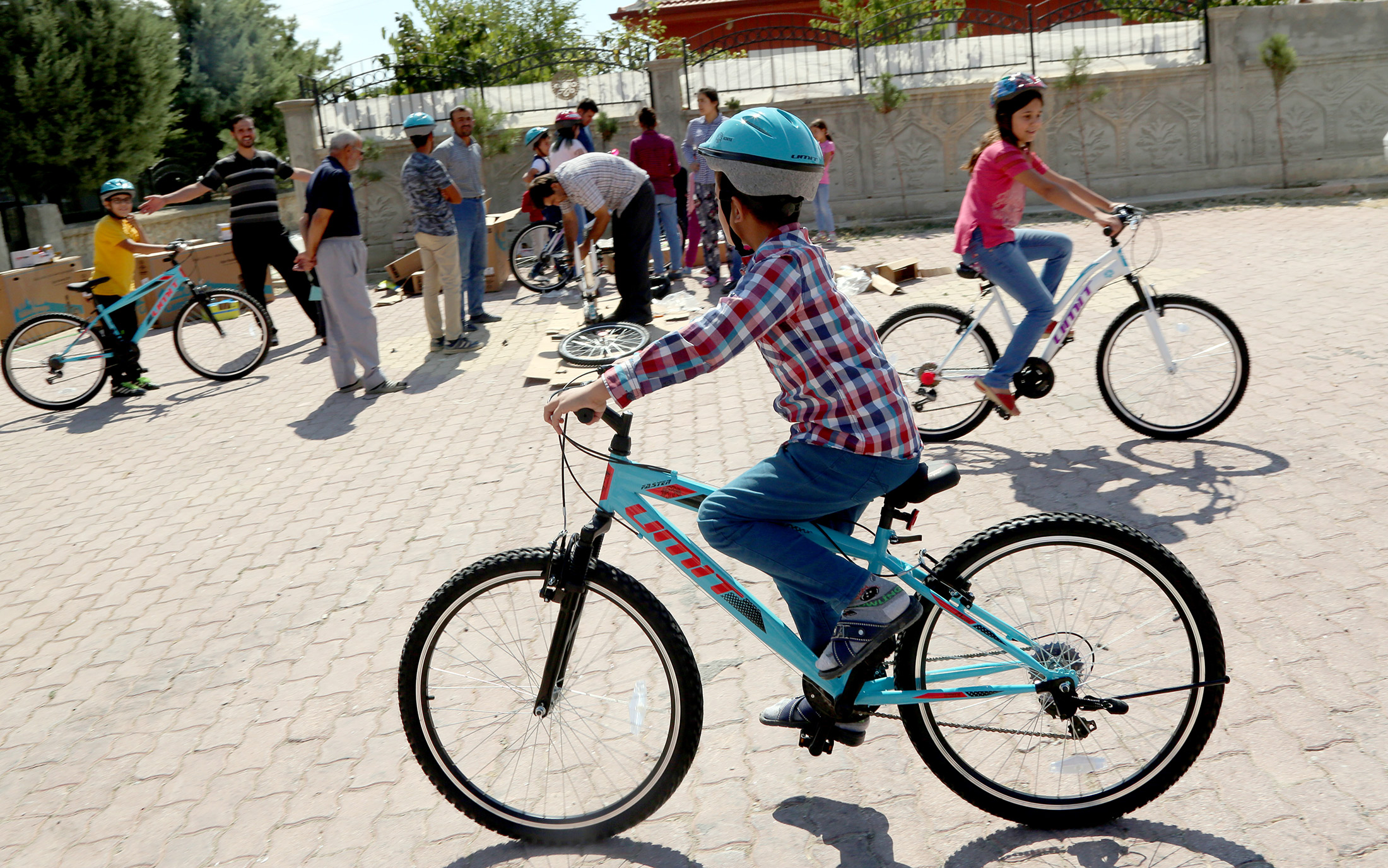
To ensure smooth coordination, families received distribution details via SMS. Information included the date, time, and place of bicycle pick-up. In 28 districts outside the metropolitan area, distribution took place in central squares at designated points. For the three main districts of Selçuklu, Meram, and Karatay, bicycles were handed out in front of the registered mosques. Where mosque courtyards were too small, nearby mosques were used to accommodate the events.
The joy on the faces of the children picking up their bicycles with their families highlighted the deep sense of pride and accomplishment that accompanies the project. For many, it was their first bicycle—a memorable milestone in childhood.
The Role of Faith in Daily Habits
One of the most meaningful dimensions of the initiative is how it links spirituality with habit formation. Encouraging children to attend morning prayers consistently for 40 days nurtures discipline, patience, and devotion. By embedding this practice in a celebratory and rewarding environment, the program aims to make prayer a natural part of children’s daily lives.
Religious leaders often stress that instilling positive habits early in life helps shape character in lasting ways. This project embodies that principle by pairing a joyful childhood memory—the gift of a bicycle—with the deeper spiritual foundation of prayer.
Social and Cultural Significance
Beyond its religious dimension, the “Güle Oynaya Camiye Gel” project also has strong social and cultural significance. It transforms religious practice into a shared community event. Families, neighbors, and friends all participate, creating an atmosphere of solidarity.
For Konya, a city with deep historical and cultural roots in Türkiye, such initiatives reinforce its role as a center of values, tradition, and modern civic responsibility. The program bridges the gap between tradition and contemporary needs by addressing both faith and healthy lifestyle habits simultaneously.
Impact on Families and Children
For many families, the project has become a highlight of the summer. Parents describe it as a chance to guide their children toward meaningful practices while also motivating them with a tangible reward.
Children, on the other hand, not only receive bicycles but also gain cherished memories of participating in something larger than themselves. The collective experience of gathering at mosques each morning and the anticipation of receiving a reward fosters friendships and builds resilience.
This shared journey—forty consecutive mornings of discipline—becomes a story children can carry with them into adulthood, linking spirituality with personal growth.
Expanding to the City Center
While the initial distributions began in rural districts, bicycles will soon be delivered to children in the city center. Starting from August 22, distribution will extend to the districts of Selçuklu, Meram, and Karatay. These urban areas, with their larger congregations, highlight the scale of participation and the widespread enthusiasm for the program.
This phased approach ensures fairness and smooth organization, allowing thousands of children and their families to celebrate together in their local communities.
A Lasting Legacy
The success of this year’s project demonstrates how tradition and innovation can be harmonized. By rewarding consistent prayer attendance with a modern childhood gift, the initiative ensures that religious practice is remembered as joyful rather than obligatory.
Looking forward, initiatives like “Güle Oynaya Camiye Gel” are likely to inspire similar projects in other regions. The balance it strikes between faith, family, and fun sets an example of how cultural identity can be preserved while adapting to contemporary life.
Editorial Perspective
As an observer, what stands out most in this initiative is how it blends two seemingly different worlds—the solemnity of prayer and the excitement of a new bicycle. This balance reflects the evolving ways in which tradition can be passed down to younger generations. It is not only about teaching rituals but also about making them part of positive, lived experiences.
In a world where children are often drawn to screens and digital distractions, such projects remind us of the importance of real-life community, physical activity, and shared values. The smiling faces of the children in Konya are proof that faith and joy can coexist beautifully.