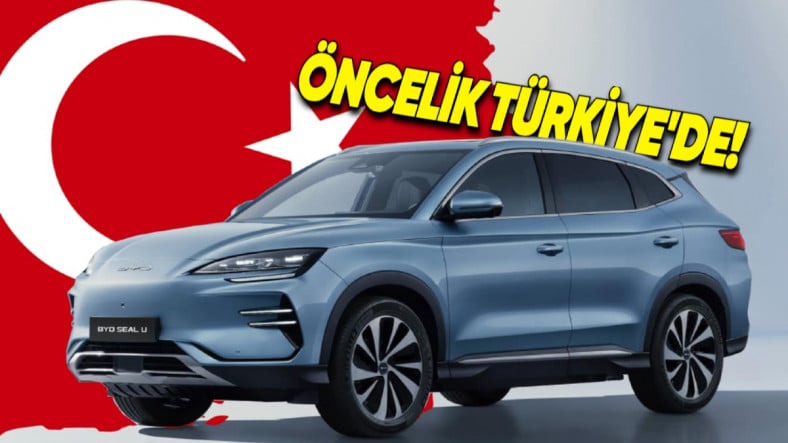

Global electric vehicle giant BYD, which had previously announced a $1 billion investment to build a production facility in Manisa, Türkiye, is now reportedly shifting focus more heavily toward its Turkish operations. The China-based automaker is said to have delayed its factory launch in Hungary, originally valued at $4 billion, in favor of accelerating production timelines in Türkiye.
If these reports are confirmed, BYD’s strategy would underscore Türkiye’s rising significance in global EV production — a notable development within the Türkiye Otomobil Haberleri 2025 landscape. The company’s Türkiye plant was initially planned to begin operations in late 2026, but current industry whispers suggest that production could begin earlier than expected, reshaping the brand’s market expansion strategy across Europe.
Manisa’s Advantage
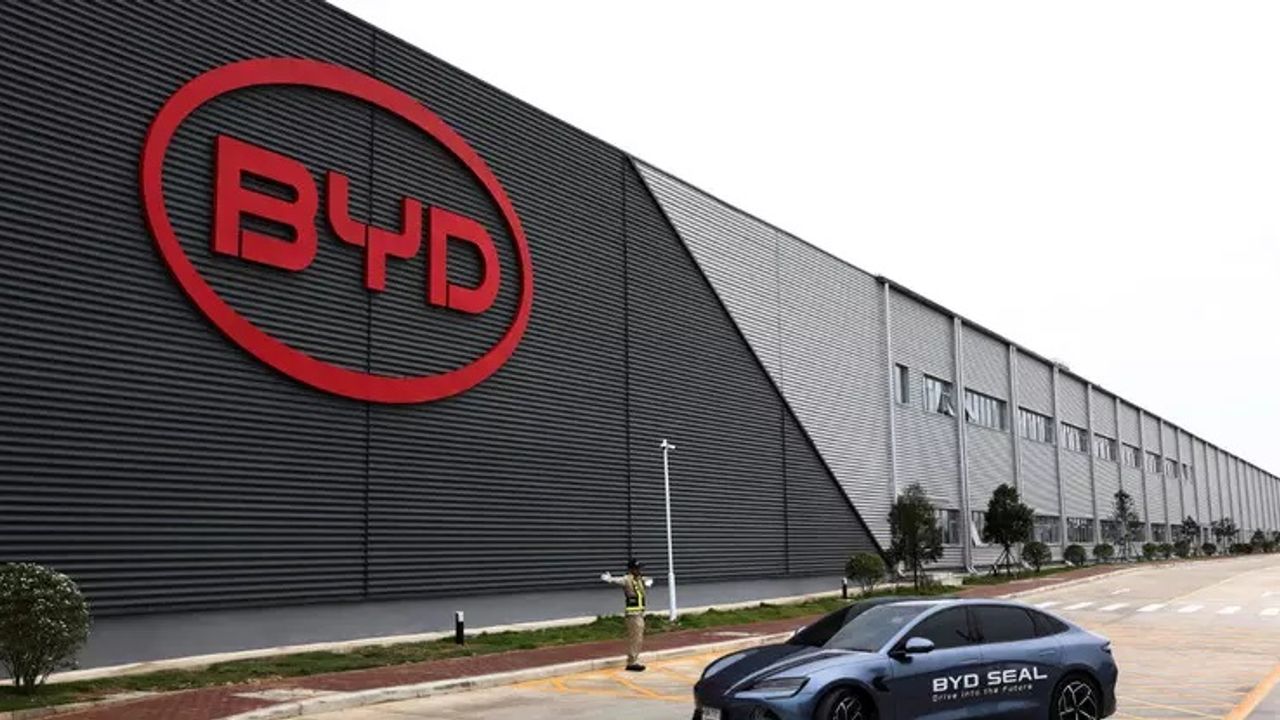
At the heart of this operational pivot lies Manisa — a strategically located industrial hub in western Türkiye. The factory planned here boasts an annual production capacity of 150,000 vehicles, with projections to scale up over time. With its proximity to logistics corridors and ports, Manisa offers a logistical advantage for exports to Europe, the Middle East, and North Africa.
According to Reuters sources, lower labor costs in Türkiye compared to Central Europe were a decisive factor in giving Manisa priority over the Hungary EV project. This cost-efficiency, combined with Türkiye’s growing automotive supply chain, may allow BYD to achieve production benchmarks ahead of schedule — a potentially game-changing shift for the company’s European rollout.
What Will the Manisa Plant Produce?
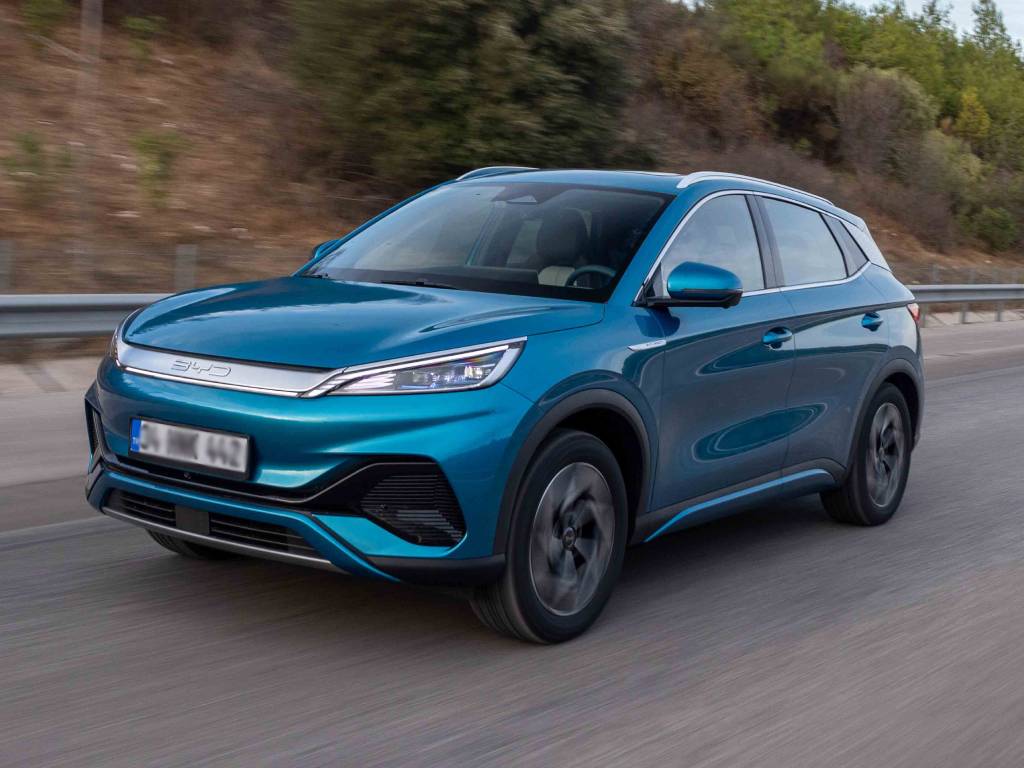
While official confirmation on exact models is pending, industry analysts speculate that the plant will manufacture BYD’s Dolphin and Atto 3 models, both of which have gained traction in European markets.
Here’s a breakdown of likely technical features for one of the company’s key models in this context:
BYD Atto 3 özellikleri
Battery: 60.48 kWh Blade Battery (LFP)
Range: Up to 420 km (WLTP)
Acceleration: 0–100 km/h in 7.3 seconds
Motor Output: 150 kW (201 hp)
Charging: 30% to 80% in 29 minutes (DC fast charging)
Such specifications suggest a vehicle positioned to balance affordability with performance, making it ideal for both European urban drivers and Türkiye’s increasingly EV-friendly domestic market.
These capabilities, paired with potential Türkiye Test System events, would likely be used to position the Atto 3 and similar models as reliable daily commuters with smart safety systems — a key narrative for converting ICE drivers to electric.
Strategic or Logistical?
Originally, BYD’s Hungary factory was projected to begin production by 2026 with an annual target of 150,000 units, eventually scaling to 300,000 units. However, reports suggest the plant will operate below capacity in its initial two years, delivering only tens of thousands of vehicles annually. Delays in construction, labor shortages, and increased competition in Central Europe may have prompted a revised timeline.
The delay also reflects a broader trend: diversifying production across more cost-efficient regions to manage risk and optimize output — especially in volatile global supply chain environments.
This context makes Türkiye not just a short-term alternative, but a long-term asset in BYD’s European strategy.
Türkiye’s Competitive Edge in the Global EV Race
Türkiye has emerged as an unexpected winner in the shifting sands of EV manufacturing. Several factors contribute to this:
Skilled industrial labor at globally competitive wage levels,
A government supportive of EV investment, offering tax incentives and regulatory clarity,
Existing supplier base due to the presence of global automakers like Ford, TOGG, and Renault,
An expanding EV charging network that supports domestic market adoption.
These elements combine to make Türkiye a low-risk, high-reward proposition for companies like BYD. The country is no longer just a transit zone — it is evolving into a production base with export potential.
Expert Assessment: What This Means for the EV Market
If BYD indeed accelerates operations in Manisa, the implications are significant:
Europe Gets EVs Faster
Earlier production means quicker delivery to European dealerships, helping BYD capture a larger market share amid growing EV demand.Türkiye Gains Investment Confidence
This move could encourage other EV giants to follow suit, potentially making Türkiye a regional manufacturing hub for electric vehicles.Pressure on Central Europe
Countries like Hungary may need to reassess their labor policies, incentives, and supply chain readiness to remain attractive.Boost to Türkiye Otomobil Haberleri 2025
Media coverage and public interest in Türkiye’s automotive future are expected to rise, further encouraging consumer adoption and investor confidence.
Sustainability and Supply Chain Considerations
BYD is well-known for its battery innovation, particularly the Blade Battery technology, which is:
More thermally stable,
Longer-lasting than traditional lithium-ion cells,
Recyclable and more eco-friendly.
With Türkiye aiming to position itself not only as an automotive producer but also as a green technology hub, BYD’s investment could have spillover effects into the country’s renewable energy, battery recycling, and green logistics sectors.
What Does This Mean for Drivers in Türkiye?
An operational BYD factory in Manisa means more than just jobs. It also offers:
More affordable EV options for domestic consumers due to local production,
Increased availability of spare parts and servicing centers,
Stronger consumer trust in EV reliability through localized testing and support,
Better alignment with Türkiye’s evolving emissions and transport policies.
Türkiye’s Time to Shine in the Electric Future
BYD’s decision to potentially prioritize Türkiye over Hungary could be a watershed moment for the country’s automotive sector. Beyond the headlines, this move highlights a deeper structural realignment — one where Türkiye is no longer just a bridge between East and West, but a destination for next-generation automotive innovation.
As the world transitions toward sustainable mobility, Türkiye appears poised to play a leading role in manufacturing, adoption, and export. With brands like BYD recognizing this potential, the Türkiye Otomobil Haberleri 2025 narrative is quickly evolving from hopeful projection to strategic reality.
While we await official confirmation, the signals are clear: Türkiye’s EV future may arrive sooner than expected — and with greater global relevance than ever imagined.