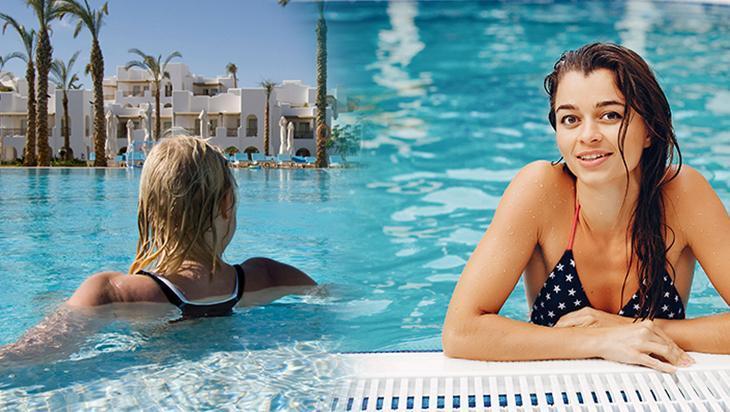

With the arrival of warmer months, swimming becomes a favorite pastime for many. Whether in public pools, private facilities, or hotel resorts, exposure to chlorinated water is often unavoidable during summer. However, few realize the toll that chlorine can take on the skin and hair when proper precautions are not taken. Dermatologists and trichologists alike warn of the long-term impact frequent pool exposure can have on the body’s natural protective layers.
While chlorine plays an essential role in keeping swimming pools sanitary by eliminating bacteria and algae, it can also strip the skin and hair of their natural oils, leading to dryness, irritation, and even long-term sensitivity. Understanding the science behind chlorine’s effects—and knowing how to mitigate them—is the first step in keeping your summer fun safe and healthy.

How Chlorine Affects the Skin
Chlorine is a potent chemical agent designed to kill microbes in water. However, its oxidizing nature doesn’t differentiate between harmful bacteria and the body’s own microbiome. When the skin is exposed to chlorinated water frequently, several changes can occur:
Disruption of Moisture Balance
Chlorine strips the skin of its natural sebum, the oily substance responsible for maintaining hydration and elasticity. As a result, the skin becomes dry, tight, and may start to peel or flake.Weakening of the Skin Barrier
The outermost layer of the skin—the stratum corneum—serves as a shield against environmental aggressors. Chlorine weakens this barrier, making skin more vulnerable to pollutants, UV rays, and allergens.Exacerbation of Pre-existing Conditions
Individuals with eczema, psoriasis, or rosacea may notice an increase in symptoms. Redness, itchiness, and inflammation are commonly reported by people with sensitive or allergy-prone skin.Chemical Sensitivities Over Time
Prolonged exposure can lead to heightened chemical sensitivities. This means future reactions to skincare products or environmental irritants can become more severe.
Impact of Chlorine on Hair Health
Hair is composed of keratin proteins and protected by a thin layer of natural oils. When submerged in chlorinated water, the following issues may arise:
Dehydration and Brittleness
Chlorine removes essential oils from hair strands, leaving them dry and brittle. Hair can become difficult to manage, prone to split ends, and breakage.Dullness and Loss of Shine
Healthy hair reflects light. Chlorine-treated water dulls this effect, causing hair to look lifeless and frizzy.Color Fading in Dyed Hair
Colored hair, especially lighter tones like blonde or pastel shades, is particularly susceptible to discoloration. Chlorine accelerates the breakdown of artificial pigments, leading to faded or uneven color.Greenish Tint in Blonde Hair
A common and unpleasant side effect of chlorinated pools is a greenish hue in blonde hair. This is caused by the combination of chlorine and copper, often present in pool plumbing.
Preventive Measures to Protect Skin and Hair from Chlorine
While avoiding chlorinated water entirely may not be feasible, there are several proven ways to shield your skin and hair from its damaging effects.
Take a Fresh Water Shower Before Swimming
Rinsing your skin and hair with clean water before entering the pool saturates them with non-chlorinated water, reducing the amount of chlorine they absorb.Apply a Barrier Layer
Use water-resistant, non-comedogenic moisturizers on your skin before swimming. For hair, apply oil-based serums or leave-in conditioners that form a protective layer.Use a Swim Cap
Wearing a silicone or latex swim cap can dramatically reduce hair’s exposure to chlorinated water. While not 100% effective, it minimizes direct contact and helps preserve hair texture and color.Choose Gentle Cleansers Post-Swim
After swimming, avoid harsh soaps that can further dry the skin. Opt for soap-free, moisturizing body washes or shower oils. Look for ingredients like glycerin, aloe vera, and ceramides.Use Clarifying Shampoos Wisely
Clarifying or chlorine-removal shampoos are formulated to remove chlorine residue from hair. However, they can be drying, so limit use to once a week, followed by a deep conditioning treatment.Rehydrate and Repair
After pool exposure, apply hydrating face and body moisturizers immediately. For hair, use masks or deep conditioners rich in shea butter, coconut oil, or panthenol.
Best Ingredients to Look for in Post-Swim Skincare
The effectiveness of your post-swim routine largely depends on the products you choose. Here are some key ingredients known for their protective and restorative properties:
Aloe Vera – Soothes redness and inflammation; accelerates healing
Panthenol (Provitamin B5) – Enhances skin hydration and elasticity
Shea Butter – Replenishes lost moisture; locks in hydration
Jojoba Oil – Mimics natural sebum and reinforces the skin barrier
Chamomile Extract – Reduces irritation and soothes sensitive skin
Vitamin E – Offers antioxidant protection and promotes skin repair
These ingredients not only help recover the skin and hair after chlorine exposure but also prepare them for future encounters with harsh environmental elements.
Children and Chlorine Exposure
Children’s skin is thinner and more sensitive than that of adults, making them particularly vulnerable to chlorine-related irritation. Pediatric dermatologists recommend:
Always rinsing children with clean water before and after swimming
Using child-specific moisturizers and shampoos free from harsh sulfates and parabens
Avoiding prolonged exposure to chlorinated water when signs of irritation appear
Consulting a physician if redness or rashes persist after swimming
Prevention is particularly important for children with a history of eczema or asthma, as chlorine can act as a trigger for both skin and respiratory symptoms.
Chlorine vs. Natural Water: Should You Be Concerned?
While chlorine is essential for pool hygiene, its side effects shouldn’t be ignored. This does not mean avoiding pools altogether, but being mindful of post-swim care. Natural bodies of water, such as the sea or freshwater lakes, can be gentler alternatives—but they come with their own risks (bacteria, algae, or salt irritation).
The key is knowing how to care for your body after each exposure, whether it’s chlorine, saltwater, or sun.
Maintaining Skin and Hair Health All Summer Long
Pool days don’t have to mean damaged skin and lifeless hair. By adopting simple, preventative habits and using high-quality, natural-based products, you can enjoy your time in the water without compromising your skin or hair health.
Whether you’re a casual swimmer, a vacationer, or a professional athlete, consistent care is the best strategy for long-term wellness.