
Türkiye is gripped by a growing scandal involving forged academic credentials, as authorities confirm that legal proceedings have been initiated against 220 individuals, with public prosecutions filed against 199 suspects to date. The controversy, which has triggered nationwide outrage, highlights deep-rooted flaws in credential verification systems and raises questions about the integrity of public and private institutions alike.
The scale and reach of the scandal suggest that forged diplomas were used to secure high-profile positions in medicine, education, and civil service, prompting calls for sweeping reform and accountability.
“Did They Get Their Diplomas From a Corner Store?”
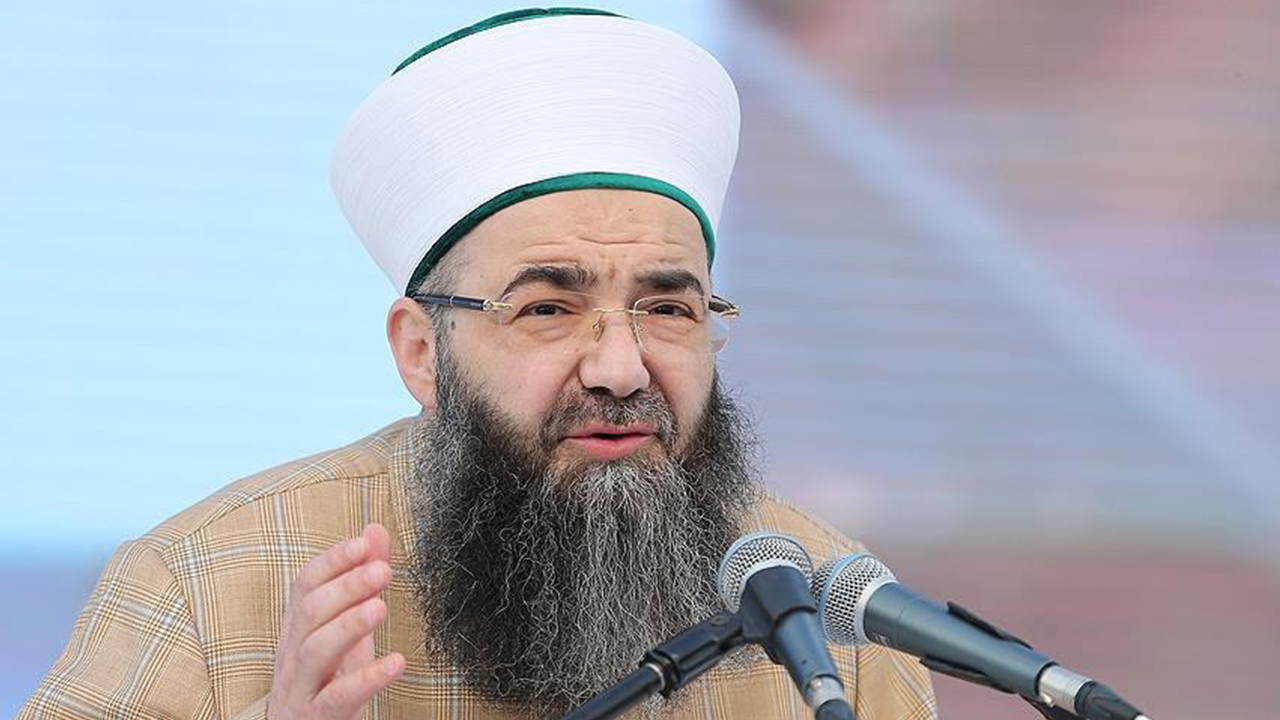
The public backlash has been intense, with prominent religious scholar Ahmet Mahmut Ünlü, widely known as Cübbeli Ahmet, adding his voice to the condemnation. Posting on social media, he expressed disbelief over how individuals with questionable competence held significant roles:
“When I listened to some of these people and saw their statements online, I used to wonder: ‘Did they get their diplomas from a corner store?’ Turns out many of them actually had fake diplomas. This shows how broken the system has become.”
He further expanded his criticism beyond academia and civil service, urging vigilance against fraudulent figures in religious circles as well:
“May Allah protect the Ummah not only from fake doctors, fake associate professors, and fake professors, but also from so-called religious scholars who acquire unauthorized credentials and from those who assume the role of sheikh without rightful legitimacy.”
His comments have since gone viral, resonating with a public already furious over the erosion of trust in national institutions.
Widening Judicial Scope: Who’s Being Investigated?
Prosecutors are now intensifying their investigation into a wide network of individuals who allegedly acquired fake diplomas from unauthorized institutions or criminal syndicates. These forged documents were used to land employment in hospitals, universities, and even government offices.
Legal experts anticipate further charges as the investigation expands to those who facilitated the printing and sale of these documents, including intermediaries, administrators, and possibly insiders within the education system.
Ministry of Justice sources suggest that many of the forged degrees originated from defunct or unaccredited institutions, some of which existed solely on paper or online, targeting those seeking fast-track professional status without undergoing proper training or education.

Medical Sector in the Crosshairs
Perhaps the most alarming revelations relate to the health sector. A number of individuals with forged medical degrees are believed to have worked in clinics and hospitals across Türkiye—some even performing procedures on unsuspecting patients. While no deaths have been directly attributed to these individuals yet, the authorities are reviewing medical malpractice claims to identify any possible links.
Health Ministry officials have vowed to review all recent license approvals and recheck documentation for practicing medical professionals.
Systemic Failures and Loopholes
Experts point out that the scandal exposes systemic weaknesses in Türkiye’s academic verification and professional licensing processes. Despite digital records and background checks, counterfeiters reportedly exploited gaps in oversight and relied on complicit individuals within some institutions.
Calls for a centralized, real-time diploma verification system have grown louder in response. Some lawmakers are proposing new legislation that would impose stricter criminal penalties for both the forgers and those knowingly using false credentials.
Public Trust at Risk
The scandal has shaken public confidence in professions where trust is paramount. Teachers, doctors, engineers, and bureaucrats wield enormous influence in everyday life, and the possibility that some may have attained their positions fraudulently is deeply unsettling for many citizens.
Social media has been flooded with reactions ranging from satire and sarcasm to genuine concern and anger. Many citizens are demanding that previously hired individuals undergo re-evaluation and that transparency be enforced at all levels of professional recruitment.
Political and Institutional Repercussions
While the scandal has not yet been directly tied to political figures, opposition parties have seized on the moment to criticize the government’s oversight mechanisms. There is growing pressure on ministries to conduct internal audits and release public reports on how such cases went undetected for so long.
The Higher Education Council (YÖK) has announced a task force to review the accreditation process and better identify fraudulent institutions and diploma mills.
Cultural Implications and the Role of Status
Sociologists note that the fake diploma epidemic also speaks to a broader cultural issue: the value placed on