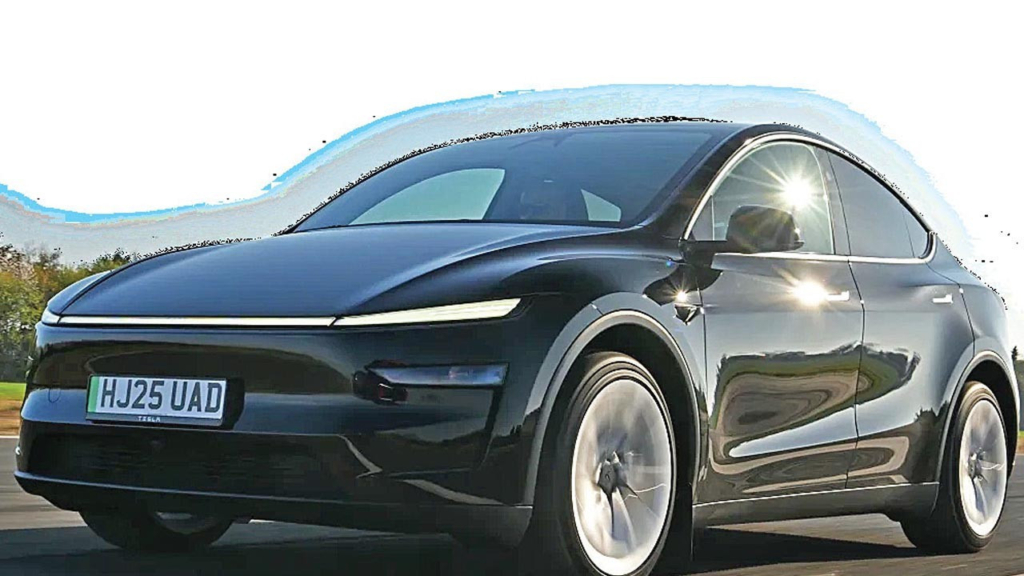

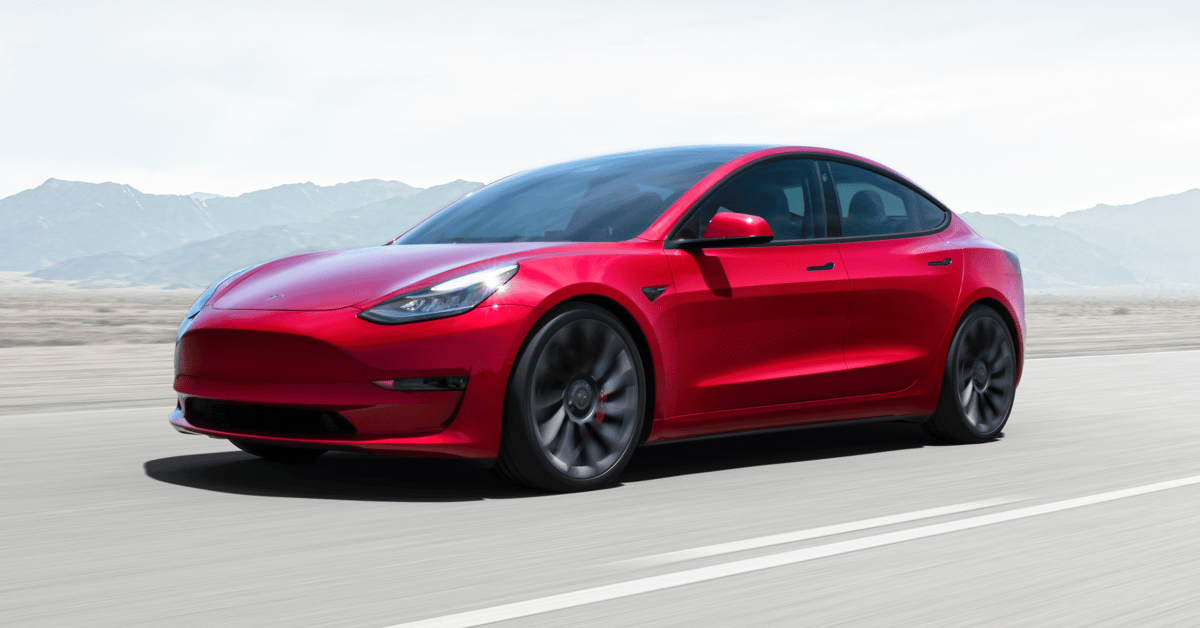
The Turkish automotive market has been witnessing a remarkable transformation in 2025, with electric vehicles playing a central role in this shift. Among the many brands competing for market share, Tesla has emerged as one of the most surprising success stories. Despite investing almost nothing in local operations, Elon Musk’s company has managed to capture an impressive position with a single model, the Tesla Model Y.
This article explores how Tesla achieved this meteoric rise in Türkiye, why its sales trajectory is so different from Europe, the tax advantages that boosted its momentum, and the challenges that may shape its future in the Turkish electric vehicle market.
Record-Breaking Growth in the Turkish Market
In the first seven months of 2025, total automobile sales in Türkiye surpassed 572,000 units. Electric vehicles accounted for over 103,000 of those sales, representing more than 18 percent of the overall market.
Tesla stood out as one of the strongest performers. The Model Y alone achieved 17,026 sales during January–July 2025, giving Tesla a 17 percent share of the EV segment. This performance placed Tesla just behind the domestic brand Togg, which led with 19,821 sales and close to 20 percent market share. Chinese competitor BYD followed in third place with 11,752 units sold and a 12 percent share.
Europe and Türkiye Show Opposite Trends
What makes Tesla’s Turkish success even more striking is the contrast with its European performance. Across the EU, Tesla sales fell sharply. Between January and July 2025, the company sold 77,446 vehicles in the EU, down from 137,071 a year earlier — a 43.5 percent decline.
In July alone, Tesla’s European sales dropped 42.4 percent year-on-year to 6,600 units. By contrast, in Türkiye the Model Y posted a staggering 386 percent increase compared to the previous year, rising from 420 sales in July 2024 to 4,706 in July 2025.
This means Tesla nearly matched its EU sales with a single month of performance in Türkiye, highlighting the unique appeal of its cars in this market.
Tax Policies Drive Competitive Advantage
A key reason for Tesla’s rapid growth lies in Türkiye’s tax framework. Thanks to adjustments in the Special Consumption Tax (ÖTV), the Model Y remained within the 10 and 25 percent tax brackets, keeping its pricing highly competitive compared to rivals.
With a price point around 2.3 million lira, the Model Y occupies a sweet spot where few premium competitors are available. While Tesla does not officially market the Model Y as a luxury model, its brand perception, design, and features have created an aura of exclusivity among Turkish consumers.
This perception is further reinforced by the convenience of Tesla’s proprietary Supercharger network, which, although limited, adds value for buyers seeking reliable charging infrastructure.
Tesla Seen as a Premium Brand Without Premium Pricing
Although the Model Y is positioned as a mid-range SUV globally, in Türkiye it is increasingly regarded as a premium choice. Consumers see the car as a symbol of modernity and status, placing it in the same category as high-end European models, but with a more attractive price tag.
This unique positioning helps explain why Tesla has been able to attract buyers in a competitive market, even with minimal local investment.
The Reality Behind the Numbers
Tesla’s operations in Türkiye remain modest. The company has only around nine service centers and thirteen Supercharger stations nationwide, with no comprehensive dealer or service presence outside major cities like Istanbul and Ankara.
Despite this limited infrastructure, Tesla has surged ahead in sales, largely driven by brand reputation and consumer enthusiasm for EVs. Elon Musk’s ability to achieve this market strength “without spending a single cent” in local investment has surprised many observers, particularly as other international brands have had to establish production facilities, dealer networks, and after-sales systems to compete.
Potential Risks to Tesla’s Momentum
While Tesla’s current trajectory in Türkiye looks impressive, several factors could slow its momentum:
Exchange rate volatility and tax adjustments may push prices higher, reducing affordability for buyers.
Domestic competition from Togg continues to intensify as the local brand strengthens its presence and leverages government support.
New entrants from Europe and China are expected to introduce compact and affordable EVs, increasing market competition.
Single-model dependency leaves Tesla vulnerable. Without introducing new models like the rumored “Model 2,” the brand risks losing long-term market share.
The Promise of Model 2
Many analysts and consumers believe that the arrival of a smaller, more affordable Tesla, widely referred to as the Model 2, could reshape the Turkish EV market. If Tesla introduces this vehicle at a competitive price point, it could solidify its market position and challenge Togg more directly in the mass-market segment.
Until then, Tesla’s strategy relies heavily on the Model Y, which may limit its ability to sustain growth as rivals expand their offerings.
Tesla and the Perception of Value
Tesla’s story in Türkiye is about more than just numbers. It reflects how consumers perceive value and innovation. The Model Y may not be a luxury vehicle by definition, but the Tesla brand elevates it in the eyes of buyers. The car’s technological edge, minimalist design, and association with Elon Musk’s global reputation all contribute to its desirability.
For many Turkish consumers, owning a Tesla means more than driving an electric car. It represents a lifestyle choice that combines modern technology, environmental responsibility, and status.
Looking Ahead
The Turkish EV market is expanding rapidly, and Tesla has positioned itself as a key player without making large-scale investments. Whether this strategy is sustainable remains an open question.
If Tesla can adapt to regulatory changes, strengthen its after-sales infrastructure, and diversify its model lineup, it has the potential to remain a dominant force. Otherwise, local players like Togg and aggressive Chinese brands such as BYD may erode its share.
One thing is clear — Türkiye has become one of Tesla’s most intriguing battlegrounds, offering a rare story of success at a time when the brand struggles in Europe.