
A powerful 6.1 magnitude earthquake struck the Sındırgı district of Balıkesir, Türkiye, sending shockwaves across the Marmara region and as far as Istanbul. The sudden tremor claimed the life of one person and left at least 29 injured, according to early reports from emergency authorities.
Extent of Destruction Becomes Clear at Dawn
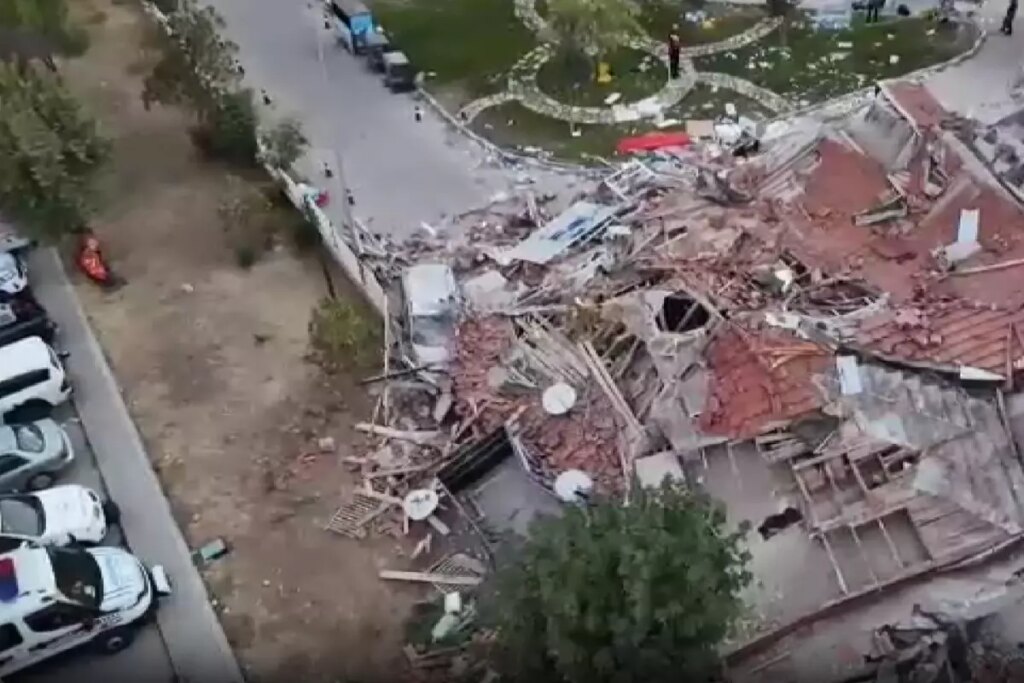
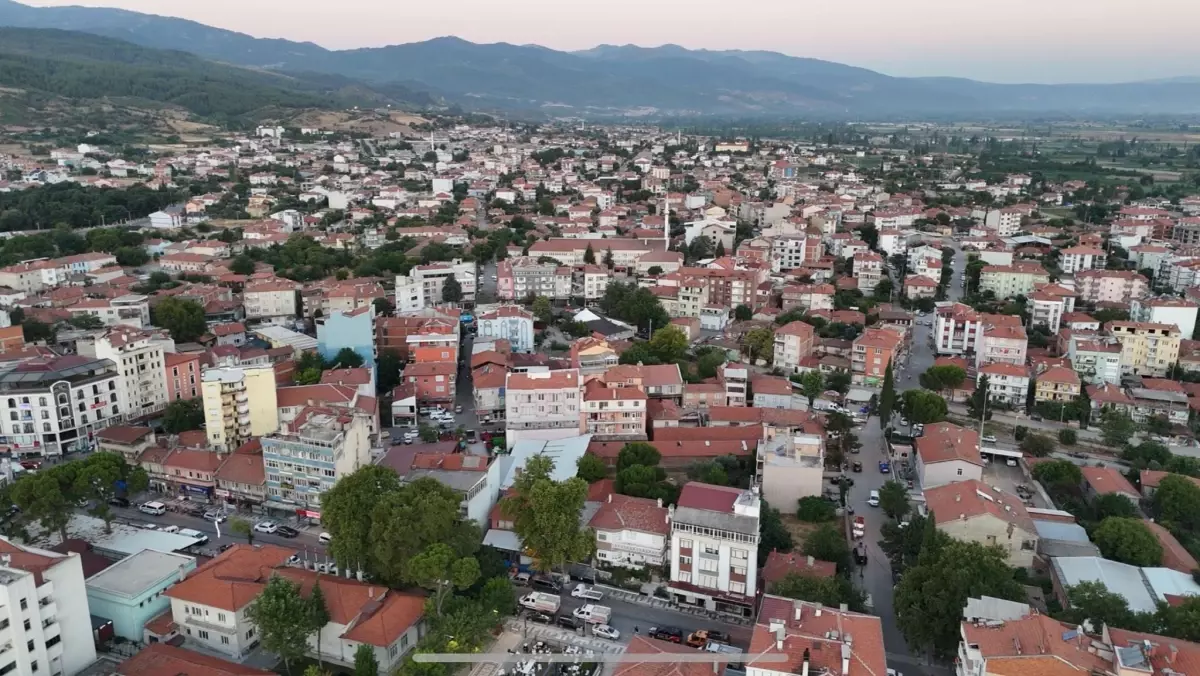
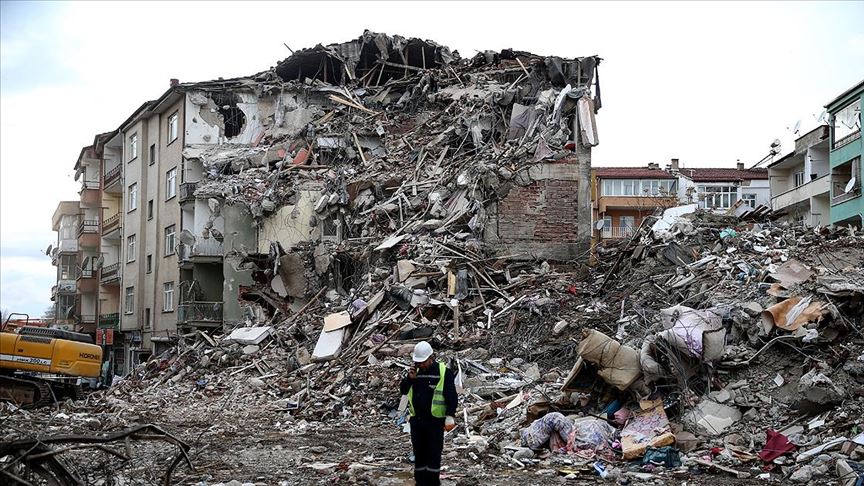
As daylight broke, the scale of the disaster became visible. Drone footage revealed multiple homes reduced to rubble, while many others suffered severe structural damage. Emergency services rushed to assess the extent of the collapse and provide shelter for residents forced from their homes.
In the hardest-hit neighborhoods, streets were littered with debris and fallen walls, leaving many residents fearful of returning to their properties. Local authorities have been coordinating with national disaster teams to ensure rapid relief and structural inspections to determine which buildings remain safe.
Series of Aftershocks Adds to Anxiety
Following the main tremor, the region experienced an intense series of aftershocks, further unsettling residents already reeling from the quake. The Disaster and Emergency Management Authority (AFAD) reported that by 23:49 local time, 100 aftershocks had been recorded, the largest measuring 4.6 in magnitude.
Within the first four hours after the main quake, seven aftershocks registered magnitudes of 4.0 or higher:
20:01 – 4.6 magnitude
20:04 – 4.1 magnitude
20:06 – 4.0 magnitude
20:32 – 4.2 magnitude
21:27 – 4.1 magnitude
21:31 – 4.2 magnitude
22:12 – 4.1 magnitude
The seismic activity continued into the early morning hours. At 01:59, a 4.0 tremor shook the region, followed by a 3.3 quake at 02:10. AFAD data indicates the aftershocks varied in depth from 5.61 km to 22.47 km beneath the surface.
Emergency Response and Safety Measures
Search and rescue teams have been deployed to locate any trapped individuals and provide immediate medical care to the injured. Emergency shelters and relief distribution points have been set up for those displaced. Authorities are urging residents to stay away from structurally compromised buildings and remain alert for further aftershocks.
Public safety announcements have stressed the importance of securing heavy objects indoors, keeping emergency supplies accessible, and following official evacuation guidance if necessary. Experts also warn of the possibility of secondary disasters such as landslides or gas leaks in the affected areas.
Marmara Region’s Seismic Risk
The earthquake serves as a stark reminder of the seismic vulnerability of the Marmara region, which sits atop active fault lines. Historical events such as the devastating 1999 İzmit earthquake have left lasting awareness among residents and policymakers about the need for earthquake preparedness and resilient infrastructure.
Seismologists are closely monitoring the current activity to determine whether the Sındırgı quake could be linked to broader tectonic stress patterns in western Türkiye. Preliminary analysis suggests it is part of the complex fault network that runs beneath the region, but further studies are underway.
Community Resilience and Recovery Ahead
While the immediate priority remains ensuring safety and stabilizing the situation, the road to recovery will require coordinated efforts between local, national, and international aid organizations. Reconstruction will involve repairing homes, restoring essential services, and addressing the psychological impact on survivors.
Local NGOs have begun collecting food, clothing, and blankets for those affected, while municipal authorities work to restore water and power supplies. The resilience of Sındırgı’s residents, coupled with swift disaster response, will be key in overcoming the challenges posed by this tragedy.
As Türkiye faces yet another reminder of its seismic reality, experts reiterate the need for long-term investments in earthquake-resistant building standards, early warning systems, and public education to minimize future loss of life and property.