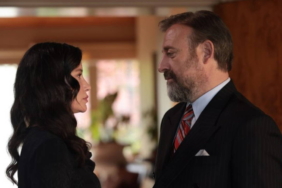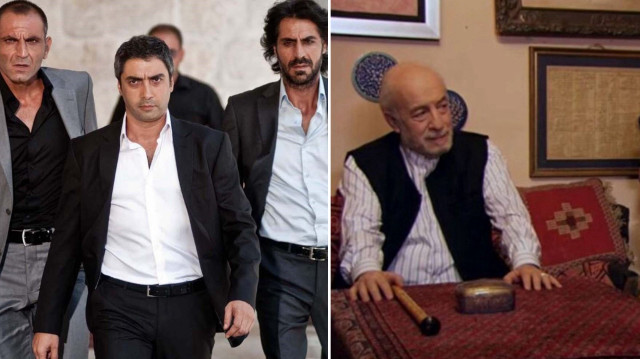

In a revealing television appearance that has ignited waves of discussion across Turkish social media, veteran actor Emin Olcay—best known for his portrayal of “Ömer Baba” in the cult-classic series Kurtlar Vadisi—has shared candid reflections on his experience with the show and its creators. His remarks have reopened conversations about the behind-the-scenes realities of Türkiye’s television industry and the treatment of veteran actors in high-profile productions.
Olcay’s emotional and unfiltered comments about his time on the show have resonated with fans and industry insiders alike, casting a new light on a series that was once viewed as untouchable in the world of Turkish drama.
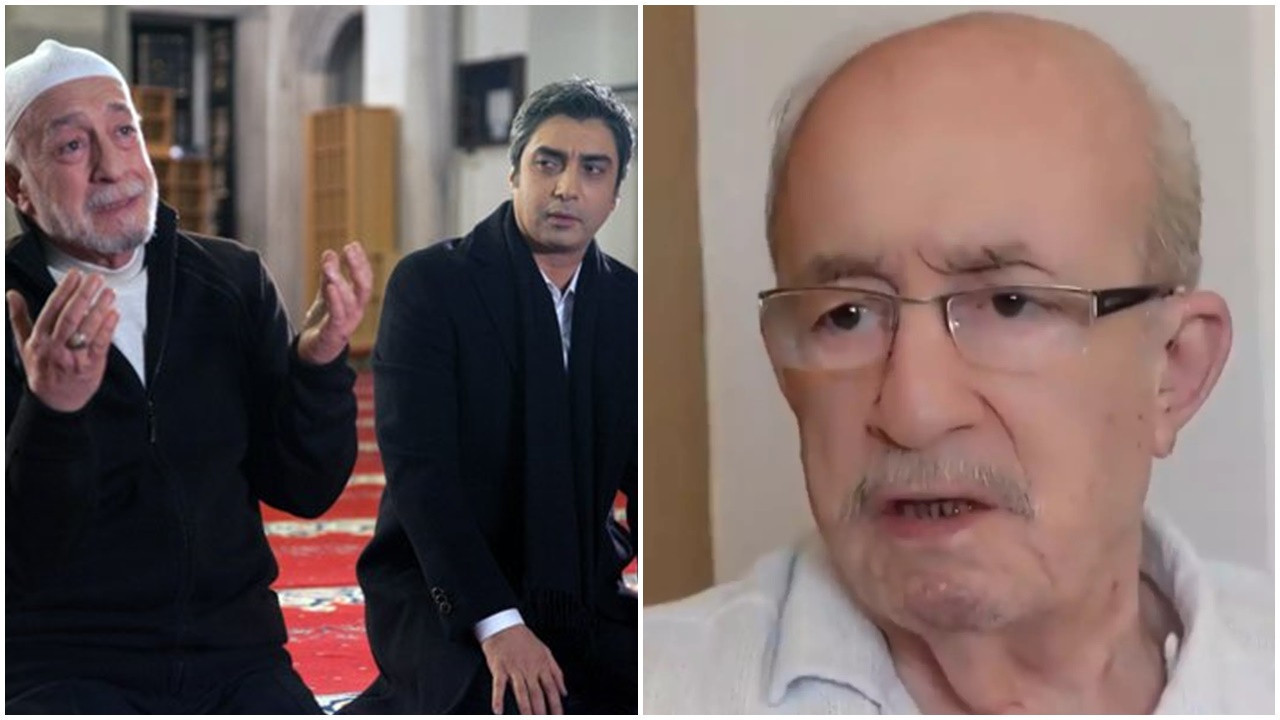
A Legendary Role, A Troubled Legacy
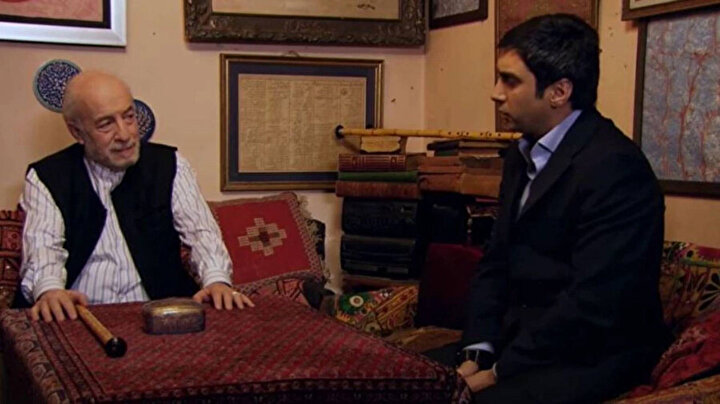
Emin Olcay’s portrayal of Ömer Baba, the wise and stoic father of lead character Polat Alemdar, became an integral part of Kurtlar Vadisi‘s identity. For many fans, Ömer Baba symbolized traditional Turkish values, morality, and spiritual wisdom. The character’s philosophical monologues and deep emotional presence were often the moral compass of a series otherwise centered around power struggles, political conspiracy, and organized crime.
Despite the role’s iconic status, Olcay’s recent reflections reveal a starkly different behind-the-scenes experience. Speaking in a televised interview, the veteran actor stated:
“I barely escaped. I don’t ever want to play that role again. Necati Şaşmaz and Raci Şaşmaz are people who don’t stand by their word. May God guide them.”
This sharp statement quickly went viral, with many social media users expressing surprise and disappointment over the tension between the actor and the show’s creators.
The Cultural Impact of Kurtlar Vadisi
First aired in 2003, Kurtlar Vadisi (Valley of the Wolves) quickly rose to become one of Türkiye’s most talked-about television series. Combining elements of crime drama, political thriller, and action, the show amassed a massive following and extended its legacy with spin-offs, films, and international adaptations.
The character of Ömer Baba was often regarded as the moral and emotional heart of the series. His scenes were moments of calm in an otherwise turbulent storyline, offering philosophical and sometimes religious wisdom that deeply resonated with Turkish audiences.
Emin Olcay’s contribution to this role made him a household name. Fans often associate the actor so closely with the character that it is difficult to separate the two. This makes his recent comments all the more shocking for long-time followers of the show.
A Rare Glimpse Behind the Scenes
What makes Olcay’s comments particularly significant is the rarity with which actors in Türkiye publicly criticize high-profile producers or creators. The Turkish entertainment industry often operates under tight-knit and sometimes hierarchical structures where dissent is discouraged. By breaking that silence, Olcay has opened the door to broader conversations about:
Power dynamics between producers and actors
The ethics of long-term contracts and character control
Respect for veteran actors within commercial entertainment
Several other actors have quietly exited the series over the years, but few have spoken openly about the circumstances of their departure. Olcay’s remarks bring long-suspected industry tensions into the public domain.
Public Reaction and Social Media Discourse
Following the broadcast, hashtags such as #EminOlcay, #ÖmerBaba, and #KurtlarVadisi began trending on Turkish Twitter and Instagram. Reactions have been mixed:
Some fans expressed disappointment toward the show’s creators, particularly Necati Şaşmaz, who played the lead character and was involved in the show’s production.
Others defended the series, suggesting that Olcay’s comments may have been misunderstood or taken out of context.
A third group applauded the actor for his courage and called for greater transparency and fairness in the industry.
Several fellow actors and cultural critics also weighed in, noting that such revelations should be seen as an opportunity for industry reform.
The Burden of Iconic Roles
Olcay’s experience sheds light on a recurring phenomenon in the entertainment world—the burden of playing an iconic role. While such characters bring fame and lasting recognition, they can also create a sense of entrapment. Typecasting, public expectations, and loss of creative autonomy can weigh heavily on the actor.
In Türkiye, where character-driven narratives dominate television, actors often become synonymous with the roles they play. For someone like Emin Olcay, this level of identification may have stifled opportunities for creative growth and led to personal dissatisfaction.
His remark, “I barely escaped,” may not refer to just the role itself, but to a broader sense of being boxed in creatively and professionally.
What This Means for the Turkish TV Industry
Emin Olcay’s statement could have broader implications. The Turkish television industry is undergoing a period of transformation. With global platforms like Netflix, Amazon Prime, and BluTV entering the market, there is increasing pressure to modernize production ethics and improve working conditions for actors.
Key areas of concern include:
Contract transparency
Fair compensation structures
Mental health support for performers
Creative input and actor agency
Industry observers argue that if respected figures like Emin Olcay feel compelled to speak out, it signals a pressing need for institutional reform.
Respect for Legacy, Room for Progress
Despite his criticisms, Emin Olcay remains an important cultural figure. His portrayal of Ömer Baba continues to be cited in discussions of the most iconic characters in Turkish television. By voicing his concerns, he adds a new layer to that legacy—not as a passive participant, but as an advocate for change.
His remarks should not be seen as mere bitterness, but as an attempt to elevate the industry for the benefit of future generations of actors.
A Moment of Reckoning for Turkish Entertainment
As Türkiye’s entertainment sector becomes more globalized, moments like this will become more common. Audiences now demand not only quality content but also ethical production standards. Social media has given actors and creators new tools to hold each other accountable, and viewers are more attentive to the stories behind the screen.
Emin Olcay’s interview serves as a powerful reminder that behind every unforgettable character is a real person—one who deserves respect, honesty, and a voice.