
🇨🇾 Introduction: A Defining Moment in Cyprus Diplomacy
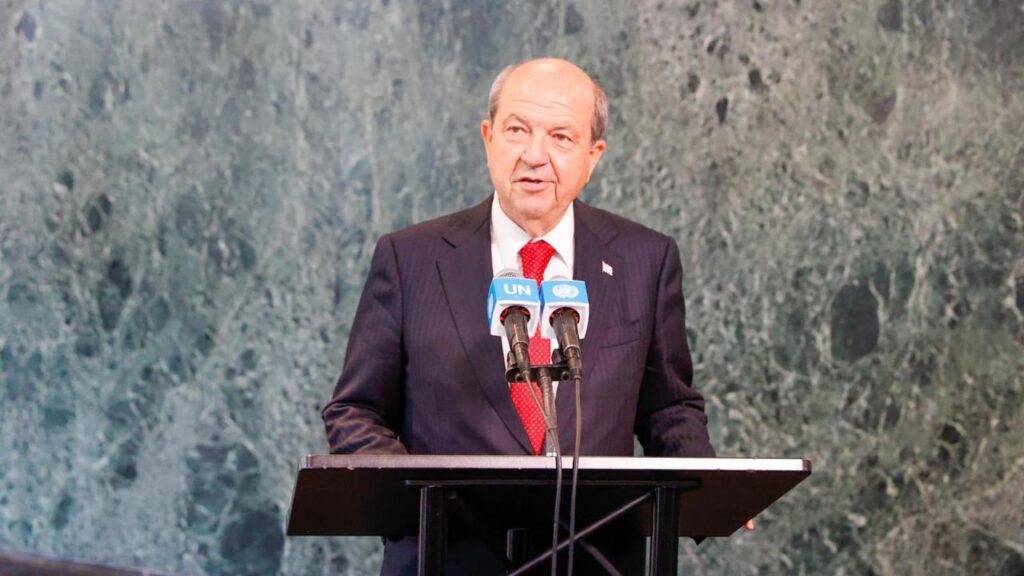
In a pivotal statement during his recent visit to New York, the President of the Turkish Republic of Northern Cyprus (TRNC), Ersin Tatar, firmly reiterated that no official negotiations on the Cyprus issue will resume unless the sovereign equality and equal international status of the Turkish Cypriots are formally recognized.
This stance, delivered during a press briefing after a high-level meeting hosted by UN Secretary-General António Guterres, signals a hardened but principled approach by the Turkish Cypriot leadership.
This development marks a critical juncture in Cyprus diplomacy, drawing global attention and raising pressing questions about the future of the divided island. In the broader context of Turkey News 2025, this event also underscores Ankara’s increasing geopolitical assertiveness in the Eastern Mediterranean.
A Tense But Strategic Visit to New York
H2: Diplomacy Amid Deadlock
Ersin Tatar traveled to New York with a clear mandate: to seek progress on ongoing UN-led initiatives despite recent setbacks. His participation in the Expanded Informal Meeting on Cyprus—convened by Guterres—aimed to create momentum for future talks while acknowledging the political realities that have long plagued the negotiation table.
“We came here with a constructive, future-oriented agenda, despite the ambiguity that emerged during the Geneva talks in March,” said Tatar.
However, the Turkish Cypriot leader expressed frustration over events that followed Geneva, including increased pressures on Turkish Cypriots by the Greek Cypriot administration. He highlighted concerns such as arbitrary detentions, travel fears, and intensifying geopolitical tension, all of which undermine efforts to build trust between the two communities.
No Recognition, No Negotiation
H2: Sovereign Equality as a Red Line
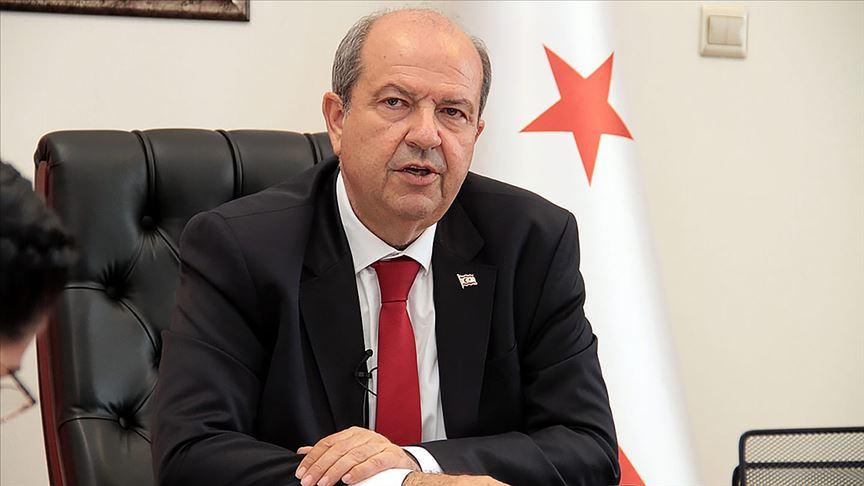
Tatar’s key message is unambiguous: the TRNC will not re-enter formal peace talks unless their sovereign equality is acknowledged. He emphasized that two separate states, two democracies, and two equal peoples already exist on the island.
“A new negotiation process must be built on ground realities—justice, mutual respect, and equality,” he noted.
This position aligns with Turkey’s evolving foreign policy doctrine, which increasingly prioritizes sovereignty-based diplomacy over federative compromise. In fact, the TRNC has fortified this policy over the past four years, building institutional resilience and redefining its international messaging.
Greek Cypriot Intransigence and the Stalled Crossing Points
H2: The Roadblocks to Confidence-Building Measures
Despite plans to open four new crossing points between the north and south of Cyprus, Tatar lamented that no progress had been made. He directly blamed the Greek Cypriot Administration (GCA) for militarizing the buffer zone and using it for strategic gains, thereby halting any practical developments.
This deadlock has also derailed hopes for civil-society engagement, economic cooperation, and grassroots reconciliation—core elements of the UN’s confidence-building agenda.
“The Turkish Cypriot side cannot accept this situation,” said Tatar, reinforcing the idea that unilateral decisions by the GCA are deteriorating the negotiation climate.
Guterres Advocates Patience
H2: A Gradual, Confidence-Based Path Forward
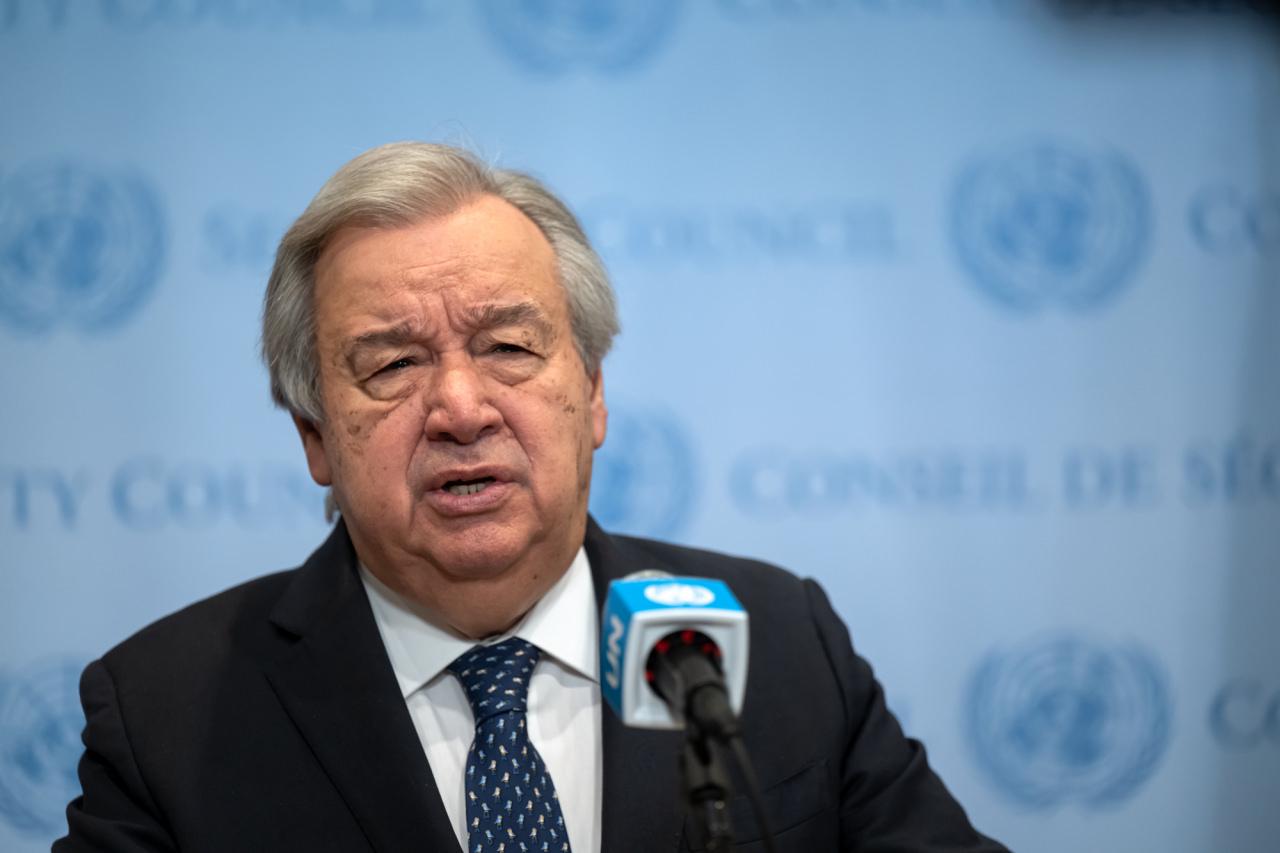
UN Secretary-General António Guterres, in his post-meeting remarks, emphasized his enduring commitment to the peace process, stating that “we are making incremental progress in building trust.”
The six mutual initiatives agreed upon in March—ranging from youth engagement, climate action, and cemetery restoration to mineral cooperation—were reviewed. Notably, technical committees have been established to implement these programs, demonstrating that while macro-level talks remain stalled, micro-level cooperation is still possible.
Regarding the new crossing points, Guterres acknowledged that progress had been made, but technical disagreements—especially over geographic routes—continue to delay implementation.
“It’s essential to execute these initiatives for the benefit of all Cypriots,” he added, signaling that even small wins can generate long-term stability.
Why Tatar’s Statement Matters
H2: Strategic Messaging for a Changing Geopolitical Landscape
Tatar’s reiteration of “no talks without recognition” should not be viewed merely as political posturing. It reflects a broader re-alignment in Eastern Mediterranean diplomacy, where energy politics, migration, and defense collaborations are reshaping alliances.
In 2025, as Turkey continues to assert its role as a regional power, the TRNC’s position mirrors Ankara’s focus on bilateralism over multilateral compromises. By setting firm preconditions, Tatar is seeking to force international actors to confront what he deems “realities on the ground.”
International Reactions and the Way Forward
H2: A Divided but Watched Conflict
The Cyprus issue remains one of the world’s longest-standing diplomatic disputes. While the EU, U.S., and UK maintain support for a bi-zonal, bi-communal federation, the TRNC—and by extension, Turkey—believe such a model is obsolete.
As the UN General Assembly in September approaches, expectations are low but engagement remains crucial. Tatar and GCA leader Nikos Christodoulides are expected to meet again, though concrete breakthroughs are unlikely without a paradigm shift in negotiation terms.
Voices from the Island
H3: Turkish Cypriot Citizens Speak Out
“President Tatar is standing up for our rights. We want peace, but not at the cost of being second-class citizens.”
– Leyla K., Nicosia
“Opening more crossing points is a good start. Let’s focus on that before anything else.”
– Andreas M., Limassol
A Delicate Dance of Diplomacy
Ersin Tatar’s latest declarations bring to light the fragility and complexity of the Cyprus issue. While his approach may appear rigid, it is rooted in a quest for dignity, equality, and lasting peace. Whether the international community will accommodate this evolving stance—or continue to insist on outdated frameworks—remains to be seen.
For now, diplomacy on the island moves at a cautious pace—step by step, issue by issue—as both communities and their allies weigh the costs of compromise versus confrontation.