

Türkiye’s national statistical agency, TÜİK, has released its latest “Life Tables, 2022–2024” data set, offering a comprehensive picture of how long people in the country are expected to live depending on age, gender, and educational background. According to the report, the average life expectancy at birth in Türkiye has increased to 78.1 years, compared to 77.3 years recorded for the previous 2021–2023 period.
The findings not only show general improvements in longevity across the country but also highlight significant discrepancies between men and women, as well as across education levels. The data has sparked widespread attention from demographers, economists, healthcare professionals, and public policy experts.
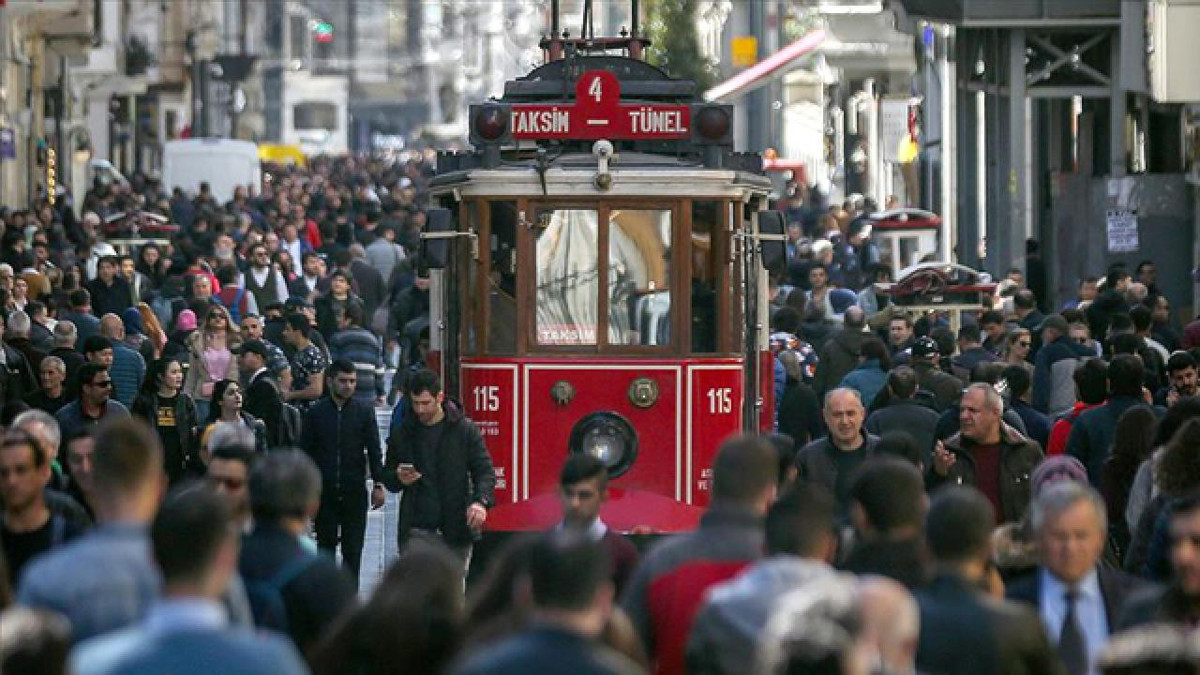
A Steady Rise in Life Expectancy
The upward trend in life expectancy in Türkiye reflects ongoing advancements in healthcare, living standards, and public awareness of wellness. The current figure of 78.1 years suggests that children born in this period can, on average, expect to live longer than previous generations.
Men born in this period are projected to live an average of 75.5 years, while women are expected to reach 80.7 years. This gap of 5.2 years is consistent with global trends, where women generally outlive men due to a variety of biological, lifestyle, and social factors.
What Happens After Age 15?
The data also breaks down life expectancy based on specific age milestones, providing valuable insights into what individuals at different stages in life can expect in terms of remaining years.
At the age of 15—a point widely recognized as the start of working-age adulthood—people in Türkiye have an average remaining lifespan of 64.3 years. For men, this figure stands at 61.7 years, while for women it is 66.9 years.
For those aged 30, the remaining life expectancy is 49.9 years on average. Again, the gender gap is evident: 47.5 years for men and 52.3 years for women, marking a difference of 4.8 years.
At age 50, individuals in Türkiye have an average of 30.9 more years to live, with women again outpacing men (33.1 vs. 28.6 years).
Women Still Have the Edge
For individuals who have reached the age of 65, the average remaining lifespan is 18 years. Specifically, women are expected to live 19.6 more years on average, while men at this age can expect another 16.3 years of life. This 3.3-year difference is one of the most noticeable age-related disparities in the data.
A Lifespan Multiplier
One of the most impactful findings from the TÜİK report involves the link between education and life expectancy. The data reveals that higher levels of education are associated with longer life expectancy across all age groups.
People with lower educational attainment—such as those who have not completed secondary school—tend to have shorter lifespans. In contrast, those with higher education levels, especially individuals who have completed university or vocational programs, live significantly longer.
For example, 30-year-old individuals with only a middle school education may have an average remaining lifespan that is five years shorter than their peers with a higher education background. This trend is consistent across both men and women, although the exact figures vary slightly by gender.
This correlation between education and longevity is attributed to several factors, including increased health literacy, better access to medical services, more stable employment, and healthier lifestyles among the educated population.
How Long Are People Expected to Live Without Illness?
Perhaps one of the most insightful aspects of the TÜİK data is the inclusion of “healthy life expectancy”—defined as the number of years a person can expect to live without health problems that hinder daily activities.
In Türkiye, the average healthy life expectancy at birth has been calculated as 57.6 years. Interestingly, this metric shows an unexpected reversal of the general gender gap: men are expected to live 58.9 healthy years, while women are projected to have 56.3 years of health.
This 2.6-year difference has raised eyebrows among public health officials and researchers, as it suggests that women in Türkiye may be living longer lives overall but spend a greater portion of those years dealing with chronic health issues or mobility limitations.
Regional and Economic Implications
Though the TÜİK report does not include region-specific data in this edition, past studies in Türkiye have shown that rural populations and economically disadvantaged provinces often have lower life expectancy rates. Access to healthcare services, clean water, nutrition, and education remains uneven across the country, contributing to disparities in health outcomes.
With rising economic inequalities and ongoing challenges in public health infrastructure—especially after the COVID-19 pandemic—the government may face increased pressure to address these issues in future policy planning.
Healthcare Investment and Social Policy
Experts emphasize that improving life expectancy should not just be about adding more years to life but also about improving the quality of those years. Public health campaigns focusing on nutrition, exercise, mental health, and preventive care could have a strong impact on healthy life expectancy.
Additionally, policies that promote universal access to education are expected to yield long-term benefits in national health statistics. The relationship between education and health outcomes is well-documented and suggests that investments in schooling are, indirectly, investments in public health.
Where Does Türkiye Stand?
When compared to global averages, Türkiye’s overall life expectancy is slightly below that of developed countries like Japan, Switzerland, and Australia, where average lifespans exceed 82 years. However, Türkiye’s progress is notable within its regional context and economic tier. The current figure of 78.1 years places Türkiye ahead of several neighboring countries in the Middle East, Central Asia, and Eastern Europe.
Aging Population and Policy Considerations
As life expectancy increases, Türkiye—like many nations—is facing the challenge of an aging population. A growing elderly demographic will place additional burdens on healthcare systems, pensions, and workforce dynamics.
Policymakers will need to develop long-term strategies to accommodate the needs of an aging society, including increased investment in geriatric care, age-friendly urban planning, and sustainable social security systems.
A Healthier, Longer Life in Türkiye
The new statistics from TÜİK provide more than just numbers; they offer a snapshot of how societal structures, healthcare systems, gender norms, and education levels shape the lived experiences of millions. As Türkiye continues to modernize, close gaps in healthcare access, and expand educational opportunities, the nation’s life expectancy will likely continue to rise—bringing both hope and responsibility.
Monitoring how future policies affect these trends will be essential in ensuring that all citizens, regardless of gender or education level, can live not just longer but better lives.