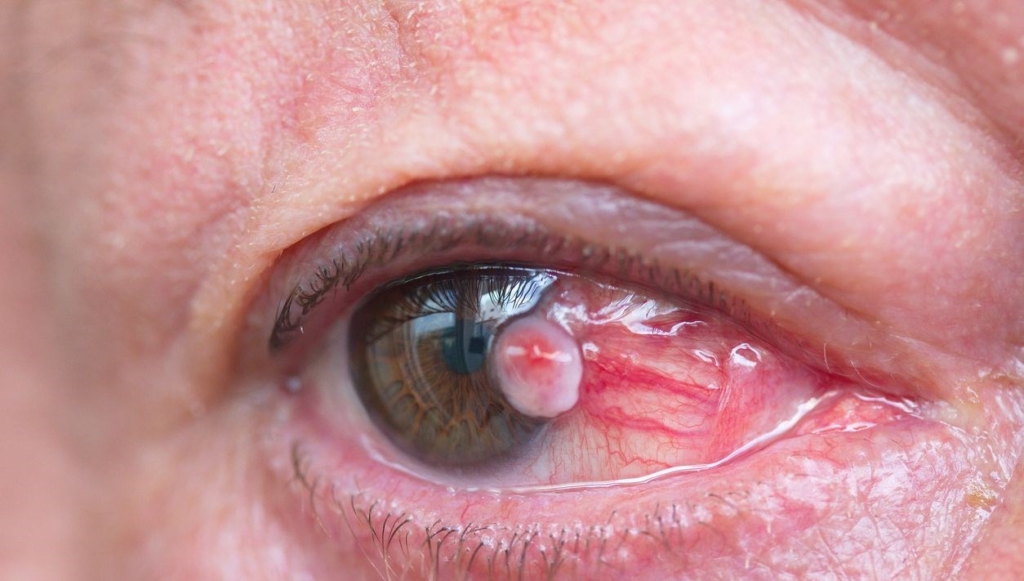

Eye cancer is a rare but potentially life-altering condition. What makes it especially dangerous is the slow progression of symptoms, often leading to delayed diagnosis and treatment. Health professionals emphasize the importance of regular eye examinations and awareness of early warning signs to ensure timely medical intervention.
While eye cancer can affect anyone, individuals with light-colored eyes, a family history of melanoma, or long-term exposure to intense sunlight are at higher risk. Understanding the subtle changes in vision and eye structure can play a vital role in early detection and successful treatment.

Blurred or Distorted Vision
One of the earliest and most overlooked signs of eye cancer is a noticeable change in vision quality. Patients may experience blurred or fuzzy vision, distorted images, or straight lines appearing wavy. In some cases, colors may appear faded or dull. These symptoms can affect one or both eyes and typically worsen over time.
If you begin to perceive shadows in your field of vision or notice that objects are no longer crisp and sharp, it may be more than just eye strain or aging — it could be a symptom of something more serious, including tumors pressing against the retina.
Eye Floaters and Light Flashes
Sudden appearances of floating shapes, light flashes, or dark specks in your vision are known as floaters. While floaters are often harmless and common with age, their persistence or sudden increase may be linked to tumors within or near the retina.
Eye cancer, particularly melanoma, can lead to cellular changes in the eye’s internal fluids or place pressure on the retina, resulting in the visual sensation of movement or flashes even in darkness. If you notice these symptoms frequently or they worsen, it’s essential to consult an ophthalmologist.
Dark Spots on the Iris or Sclera
Dark pigmented spots appearing on the iris (the colored part of the eye) or sclera (the white part) should not be ignored. Unlike freckles or benign moles, cancerous lesions often grow quickly, change shape, and may develop a raised or rough surface.
While not every spot indicates cancer, any new or evolving pigmentation should be monitored by a specialist. Malignant spots tend to have irregular borders and may cause discomfort or a visible bulge on the eye surface.
Changes in Pupil Shape or Size
Your pupils should be round and equal in size under normal conditions. If you observe that one pupil is irregularly shaped, oval, or responds differently to light than the other, this could signal the presence of an intraocular tumor.
Eye tumors may interfere with the muscles that control pupil dilation and constriction, resulting in a fixed or unusually large pupil. Persistent asymmetry should prompt immediate medical evaluation.
Peripheral Vision Loss
A gradual loss of side vision or difficulty seeing in dim lighting may indicate damage to the retina or optic nerve caused by a growing tumor. Peripheral vision loss is often unnoticed in its early stages but may become dangerous as it progresses, increasing the risk of accidents and impairing depth perception.
Optic nerve involvement is a serious complication of eye cancer and requires urgent imaging and examination to prevent further deterioration.

Eye Redness and Swelling
Redness, swelling, or a sensation of pressure in or around the eye could signal an advanced stage of eye cancer. When tumors grow large enough to push against the orbital bones or surrounding tissues, visible bulging (proptosis) or eyelid puffiness can occur.
Persistent irritation, pain, or visible inflammation without an obvious cause (such as infection or allergy) should never be ignored. These may be signs that a tumor is disrupting normal eye anatomy.
When to See a Doctor
If you experience any of the above symptoms — especially if they persist or worsen — seeking medical attention from an ophthalmologist is crucial. Early diagnosis is key to preserving vision and preventing cancer from spreading to other parts of the body.
Specialists recommend that people with light-colored eyes, those with a family history of ocular melanoma, and individuals frequently exposed to UV radiation undergo regular eye screenings. Many early-stage eye tumors are asymptomatic, making proactive checkups an essential preventive tool.
The Importance of Early Detection
Ocular cancers, such as uveal melanoma, can progress silently until significant damage occurs. However, when detected in the early stages, treatment options — including radiation therapy, laser treatment, or surgical removal — can be highly effective and vision-sparing.
Waiting for symptoms to become severe can reduce treatment success rates and increase the risk of metastasis to other organs, particularly the liver.
Preventive Measures and Eye Health Tips
Regular Eye Exams: Schedule comprehensive eye exams annually, even if you have no symptoms.
UV Protection: Wear sunglasses that block 100 percent of UVA and UVB rays, especially during midday hours.
Monitor Changes: Pay attention to new spots, visual disturbances, or eye discomfort.
Healthy Lifestyle: Maintain a balanced diet rich in antioxidants and avoid smoking, which may increase cancer risk.
Protective Eyewear: If working in hazardous environments, always use safety goggles to prevent trauma that could lead to secondary complications.