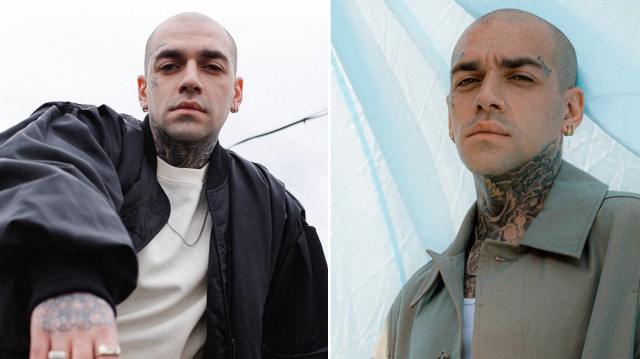

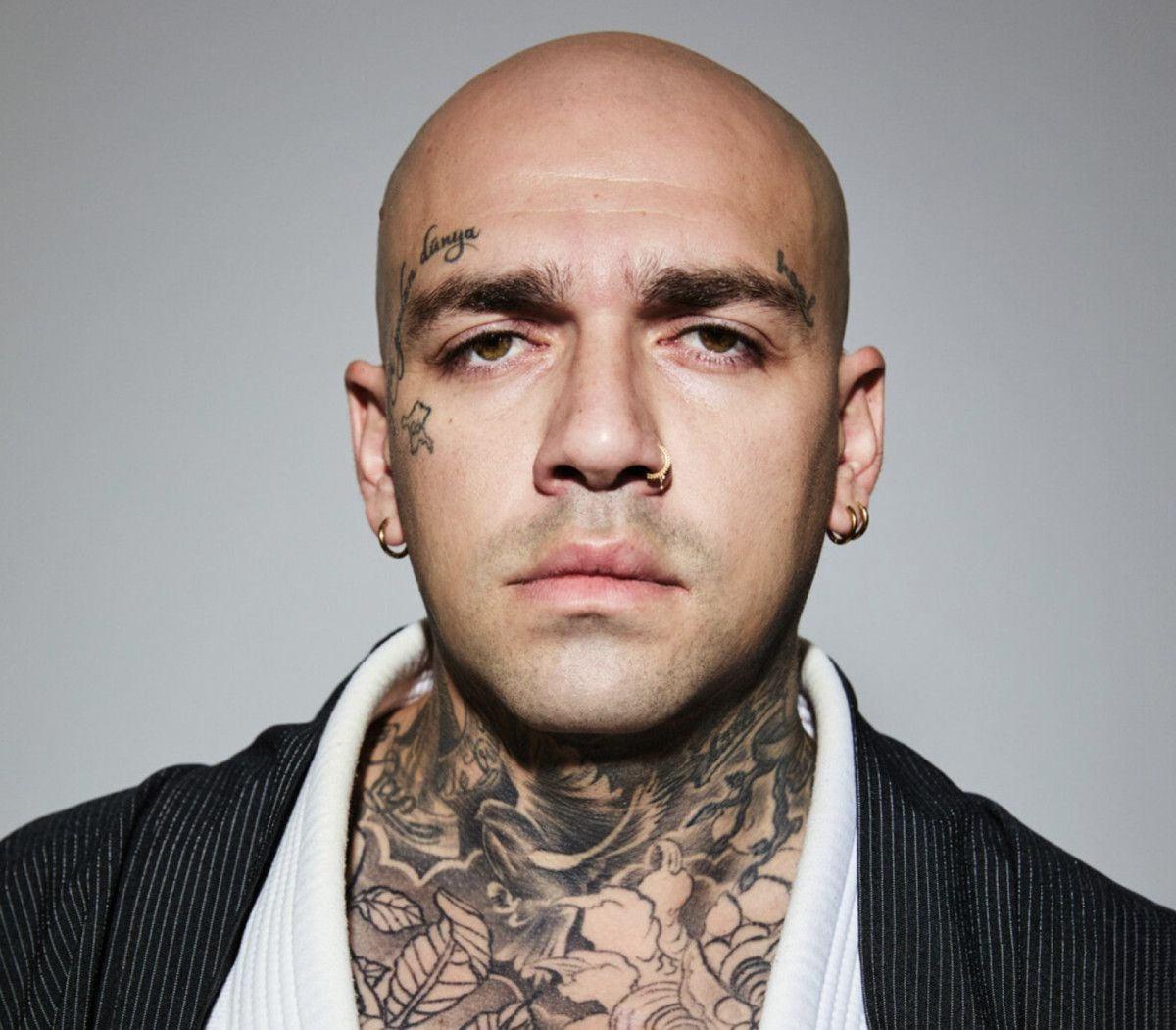
Turkish rapper Ezhel, known for his outspoken political remarks and musical career in Germany, has sparked significant public reaction following comments he made on social media about national identity and historical accountability. His statement—posted in response to an Instagram post highlighting countries whose national anthems include references to the word “Turk”—prompted both public and institutional responses in Türkiye, especially from veteran and martyr family organizations.
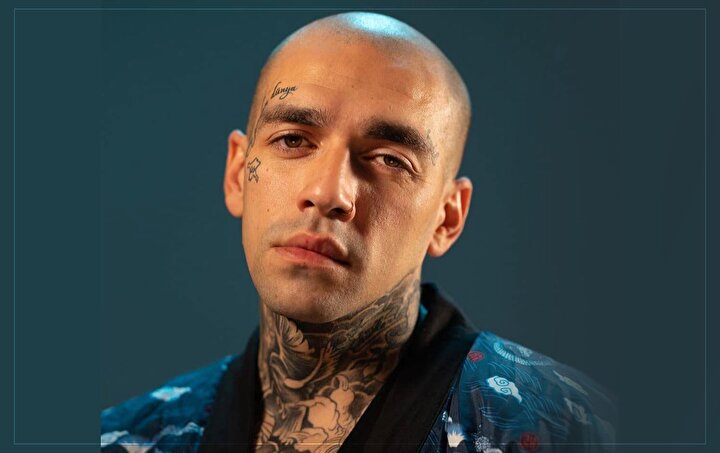
Controversial Statement on National Identity
Ezhel, whose real name is Serkan İpekçioğlu, shared his views in the comment section of the post published by the Instagram account Kültürsüz. In his statement, he reflected on the role of national identity in the context of justice and historical wrongdoing.
His words read: “When one realizes they have oppressed others, Turkishness can regain its lost strength. Let us be remembered for justice. Only then will we truly serve our nation. Unless the word ‘Turk’ is associated with nobility, justice, and happiness, I feel ashamed of my Turkish identity. That’s how it is.”
The statement quickly drew widespread attention and was widely shared across Turkish media and social platforms. It reignited debates around nationalism, historical memory, and freedom of expression.
Reactions from Veterans and Martyrs’ Organizations
Following the comment, the Türkiye Veterans and Martyrs’ Families Foundation (Türkiye Gaziler ve Şehit Aileleri Vakfı) issued a public statement criticizing the rapper. The organization revealed that Ezhel had previously attempted to donate compensation from legal proceedings to the foundation.
In a firm response, the foundation stated: “We do not accept donations or aid from anyone who has made statements supporting separatist terror organizations or who is banned from entering the Republic of Türkiye. The donation will be returned.”
The statement came amid broader criticism of Ezhel’s past political commentary, particularly regarding the Kurdish issue and historical narratives involving Türkiye’s national identity.
Previous Incidents Involving Political Commentary
Ezhel has previously been at the center of controversies related to his political remarks. In an earlier online discussion on Twitter Spaces, he was quoted as saying, “I support Kurdistan”, further adding that “the capital of Kurdistan is Ankara and Istanbul.” These statements were widely circulated and drew criticism from several political and media figures.
Though Ezhel has never been officially charged in relation to these remarks, they have contributed to his polarizing image within Turkish society. Supporters argue that he is exercising freedom of speech, while critics claim he is engaging in divisive rhetoric.
Context of the Mora Massacre Referenced by Public Discourse
Following the recent backlash, some online commentators referenced the 1821 Mora Massacre, where thousands of ethnic Turks were killed in the Peloponnese region (modern-day Greece) during the early stages of the Greek War of Independence. These historical references were brought up in public forums as a counter-narrative to Ezhel’s criticism, aiming to highlight the complex and painful historical experiences between nations in the region.
The invocation of the Mora Massacre demonstrates the ongoing sensitivity surrounding national identity and historical grievances in the region—an environment where public figures’ statements often have deep resonance.
Ezhel’s Background and Move to Germany
Ezhel rose to fame in Türkiye’s music scene through his unique blend of rap, reggae, and Anatolian sounds. However, his career has also been shaped by legal and political challenges. He was previously arrested in Türkiye on charges related to promoting drug use in his music but was later acquitted.
Following these events, Ezhel relocated to Germany, where he continues to produce music and engage in political discourse from abroad. His move was seen by many as a symbol of artistic self-exile amid growing pressure on dissenting voices in Türkiye.
Balancing Free Expression and National Sensitivities
The debate sparked by Ezhel’s comment reflects a wider challenge faced by artists and public figures who straddle the line between critique and national sensitivity. In Türkiye, where discussions around identity, ethnicity, and history are often politicized, statements that would be considered introspective elsewhere can provoke sharp societal reactions.
Freedom of expression remains a contested topic in the country, particularly when it involves public figures criticizing state institutions or invoking national symbols. For some, Ezhel’s words reflect necessary introspection; for others, they cross a perceived boundary of respect for national heritage.
Wider Implications for Artists in the Public Eye
As Ezhel continues his artistic career from abroad, the reactions to his recent comment illustrate the enduring influence of public figures in shaping national debates—even from outside the country. Artists, musicians, and influencers in Türkiye operate within a complex ecosystem where cultural impact, political expression, and historical memory intersect.
This latest episode serves as a case study in how a single social media comment can ignite public outrage, spark historical reflection, and raise broader questions about identity and national pride in an increasingly interconnected media environment.