
In the ever-shifting landscape of fashion, few items capture the zeitgeist quite like the unexpected. This summer’s most talked-about shoe isn’t a high-tech sneaker, futuristic heel, or avant-garde boot. Instead, it’s a humble flip-flop. Or rather, a €780 reinvention of one, courtesy of The Row’s “Dune” sandal.
What was once considered the simplest of footwear—a foam sole held in place by a toe-post strap—is now one of the most coveted fashion pieces in the luxury market. Worn by influencers, fashion editors, and minimalist tastemakers, The Row’s Dune sandal is more than a shoe. It’s a statement. And perhaps more importantly, it’s a status symbol.
How a Universal Shoe Became Unattainable
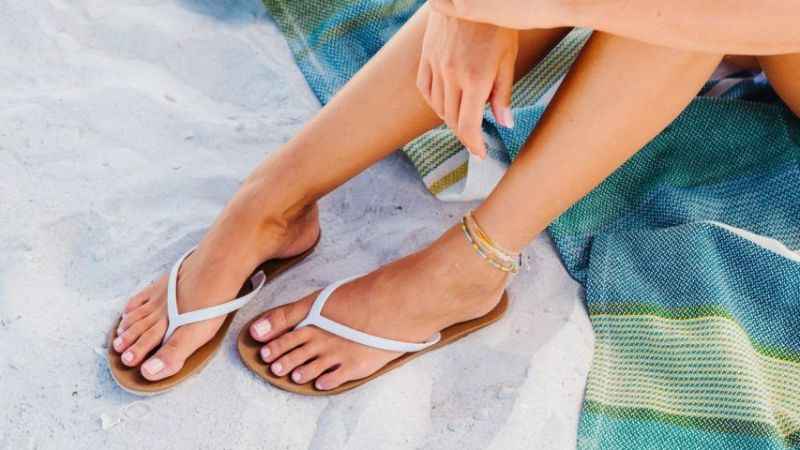
Flip-flops have been around for centuries. In Japan, they’re known as zori. In Brazil, they’re synonymous with Havaianas. In the Hawaiian Islands, they’ve long been the go-to shoe of surfers and beachgoers under brands like Islands Slipper. These sandals are not new, nor are they rare. So what makes The Row’s version so exceptional?
The answer lies in presentation and perception. The Row didn’t just redesign a sandal; it reframed it. With sculptural lines, weighty rubber soles, and a signature silence in branding, the Dune sandal has become a cult item—utterly simple, yet out of reach. Sold out nearly everywhere, priced at €780, it embodies the tension between minimalism and luxury.
A Brand That Sells a World, Not Just a Product
Founded by Mary-Kate and Ashley Olsen, The Row is not your average celebrity fashion label. It functions more like an aesthetic philosophy than a brand. The twins are famously private, rarely giving interviews, banning phones from their shows, and maintaining a mystique that fuels desire. This air of exclusivity elevates The Row’s designs to more than just garments—they become gateways into a carefully curated lifestyle.
When you wear The Row, you don’t just wear clothing. You embody an ideal. You belong.
That’s why the Dune sandal is not just a shoe. It’s a symbol of quiet power, restraint, and insider status. It whispers rather than shouts, but everyone in the room knows what it means.
Why Spend €780 on a Flip-Flop? The Psychology of Luxury Fashion
To the outsider, spending nearly €800 on a pair of rubber sandals may seem absurd. But in the world of luxury fashion, the price is part of the point. It’s a signal—a way to say, “I know, and I can afford it.”
Luxury isn’t always about complexity or extravagance. In many cases, it’s about the absence of noise. The Row’s minimalist approach appeals to those who want to opt out of loud logos and trend-chasing. The Dune sandal is sleek, sculptural, and deceptively simple. And that simplicity comes at a premium.
Still, one must ask: Is this really about style, or is it about purchasing access to a social class?
The Cult of Quiet Fashion: Scarcity, Mystery, and Power
What truly sets The Row apart is its ability to cultivate mystery. Its founders are never center stage. Its marketing is subdued. Its website is barely more than a whisper. This strategic silence transforms their products into rare artifacts, desirable precisely because they seem so disconnected from the chaotic, hyper-visible world of modern fashion.
The Dune sandal operates like a uniform for a specific tribe—the elite minimalist. And in an era saturated with fast fashion and trend churn, this kind of silent sophistication has never been more seductive.
Alternatives That Channel the Same Aesthetic—Without the Price Tag
Let’s be honest: you don’t need to spend a small fortune to get the look. The minimalist, urban flip-flop trend has taken hold across the fashion world, and there are plenty of accessible alternatives that offer a similar silhouette and visual appeal.
Here are some top picks that reflect the same energy as The Row’s Dune without the luxury markup:
Havaianas
Square Logo Metallic Black Women’s Beach Flip-Flop
2,549 TL
A Brazilian classic, elevated with metallic details. A nod to tradition with a touch of modern polish.Camper
White Leather Sandal
5,899 TL
Structured, clean, and city-ready. Camper’s design-forward approach makes this a solid everyday option.Prada
Black Brushed Leather Flip-Flop
27,600 TL
For those who still crave high fashion, Prada offers a luxe take on the silhouette—sleek and sturdy.Massimo Dutti
Heeled Flip-Flop Sandal with Minimal Straps
5,550 TL
Sophisticated yet wearable, this pair adds height without compromising comfort.Balenciaga
Cagole Black Silver Women’s Flip-Flop
31,950 TL
A maximalist version for those who want statement with their structure.Ancient Greek Sandals
Saionora Embellished Beach Flip-Flop
13,250 TL
Elegant, timeless, and handmade. A beautiful alternative with heritage charm.
The Urban Life of the Flip-Flop
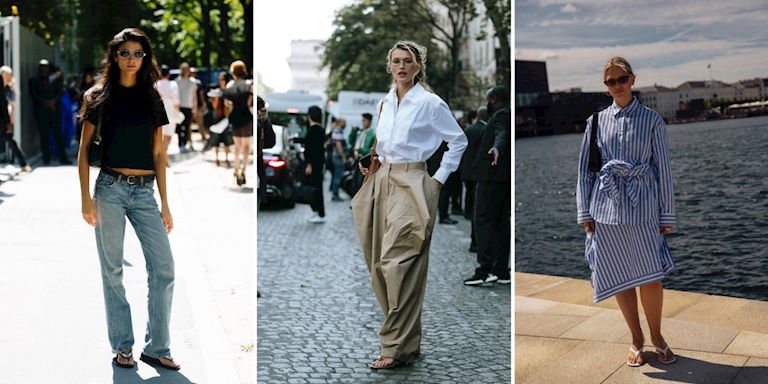
Once confined to sandy shores and pool decks, flip-flops have been reimagined as fashion-forward staples that belong on the streets of Copenhagen, at art gallery openings, and in coffee shop queues. Whether paired with tailored trousers or flowing linen dresses, their versatility is winning over fashion’s most discerning minds.
Spotted in the Spring/Summer 2026 menswear shows from Jacquemus to Paris Fashion Week, the humble flip-flop has truly transcended its humble origins.

Is It Still Fashion If It’s Just About Status?
Ultimately, the debate over The Row’s Dune sandal—and luxury flip-flops in general—comes down to a central question: Is this really about fashion, or is it about belonging? When minimalism becomes a code, and pricing is about exclusion, where do we draw the line between personal style and social signaling?
The Dune is beautiful, no doubt. But it’s also a mirror reflecting the values of the modern fashion world. Quiet luxury, economic division, curated anonymity—all wrapped into one soft rubber sole.
Your Final Call for Flip-Flops This Summer
Whether you opt for the Dune or its dozens of lookalikes, the message is clear: flip-flops are no longer just summer basics. They’re fashion statements—especially when styled with intention.
So go ahead. Choose your tribe. Wear them in the city. Wear them at sunset. But remember, style is never just about what you wear—it’s about how and why you wear it.