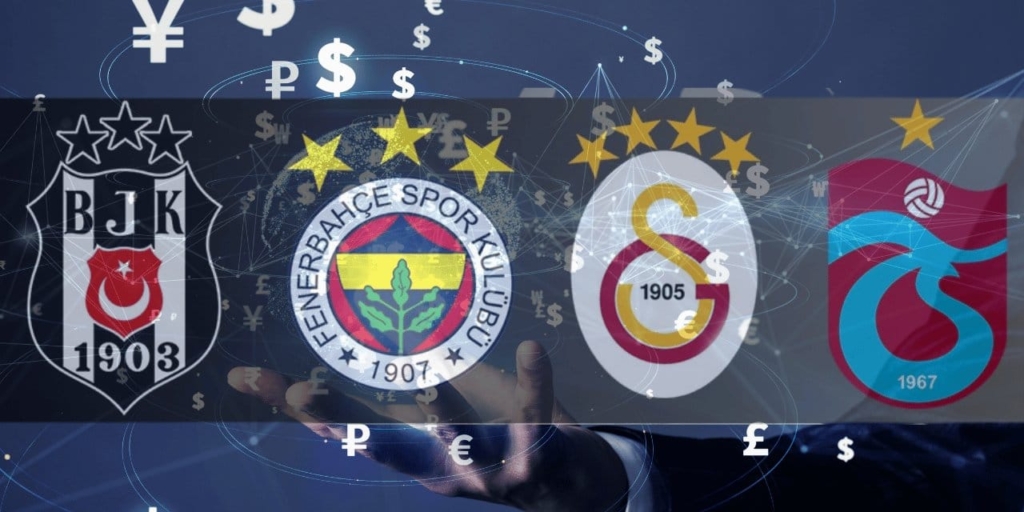

The latest financial disclosures from Türkiye’s four major football clubs—Fenerbahçe, Galatasaray, Beşiktaş, and Trabzonspor—paint a concerning picture for the nation’s top-tier league. Published through the Public Disclosure Platform (KAP), the 2024-2025 season financial statements reveal that all four giants ended the past 12 months in the red, with total combined losses exceeding 4.4 billion TL.
While each club has faced its own set of challenges, the overall trend underscores the deepening financial strain in Turkish football, driven by high operating costs, fluctuating revenues, and ongoing debt burdens.
Fenerbahçe Faces Steep Decline from Last Year’s Surplus
Fenerbahçe was the first to release its figures, reporting a net loss of 764.6 million TL for the financial year ending May 31, 2025. This marks a dramatic reversal from the previous season, when the club posted a profit of 2.15 billion TL.
The drop is attributed to a combination of reduced player transfer income, increased wage bills, and rising matchday and operational expenses. Despite strong fan engagement and sponsorship deals, the club’s revenue growth could not keep pace with its expenditures.
Galatasaray Reports Heavy Losses Despite On-Field Success
Galatasaray, the reigning Süper Lig champions for the past three seasons, recorded a 886.7 million TL loss over the same period. The figures reveal that consistent sporting success has not translated into financial stability, with growing operational costs and investment in high-profile players weighing heavily on the balance sheet.
Club executives have previously highlighted the challenge of competing at the highest European level while maintaining sustainable finances—a problem now reflected in these latest results.
Trabzonspor Registers the Largest Loss Among the Big Four
Trabzonspor topped the loss charts, declaring a deficit of 1.55 billion TL for the financial year. This is despite a recent capital increase initiative that reduced the club’s debt to around 3 billion TL.
The sizeable loss points to ongoing structural financial issues, including the cost of player acquisitions, staff wages, and infrastructure projects. Analysts note that while the debt reduction was a positive step, profitability remains elusive without significant revenue growth.
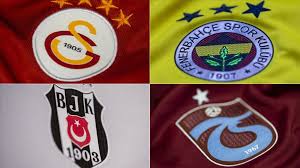
Beşiktaş Posts Over 1.2 Billion TL in Losses
Beşiktaş, competing both domestically and in European tournaments, reported a loss of 1.27 billion TL for the same period. The club’s performance places it second only to Trabzonspor in terms of losses among the Big Four.
Increased spending on player contracts, combined with underwhelming commercial revenue compared to expectations, appears to have deepened the club’s deficit.
A Combined Financial Crisis Exceeding 4.4 Billion TL
When combined, the four clubs’ losses surpass 4.4 billion TL, raising serious concerns about the sustainability of Türkiye’s football economy. Experts warn that without stricter financial discipline, innovative revenue streams, and possible league-wide reforms, the financial gap could widen further in the coming years.
The situation mirrors a broader challenge across European football, where clubs face growing pressure to balance competitive ambition with financial fair play requirements. In Türkiye’s case, currency fluctuations, economic volatility, and the heavy reliance on transfer spending exacerbate the risks.
The Road Ahead
To reverse these trends, financial analysts suggest that clubs must diversify their income sources beyond traditional ticket sales and broadcasting rights. Expanding international brand presence, improving youth development programs, and embracing digital engagement strategies could provide more sustainable revenue streams.
With the 2025-2026 season ahead, the Big Four will not only be competing for trophies but also fighting for financial survival in an increasingly challenging sports business environment.