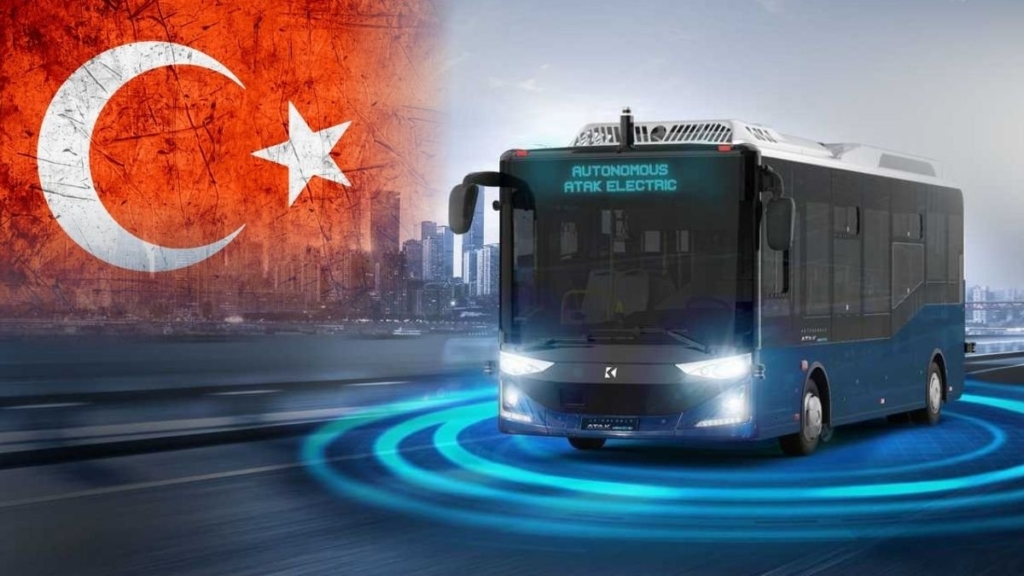

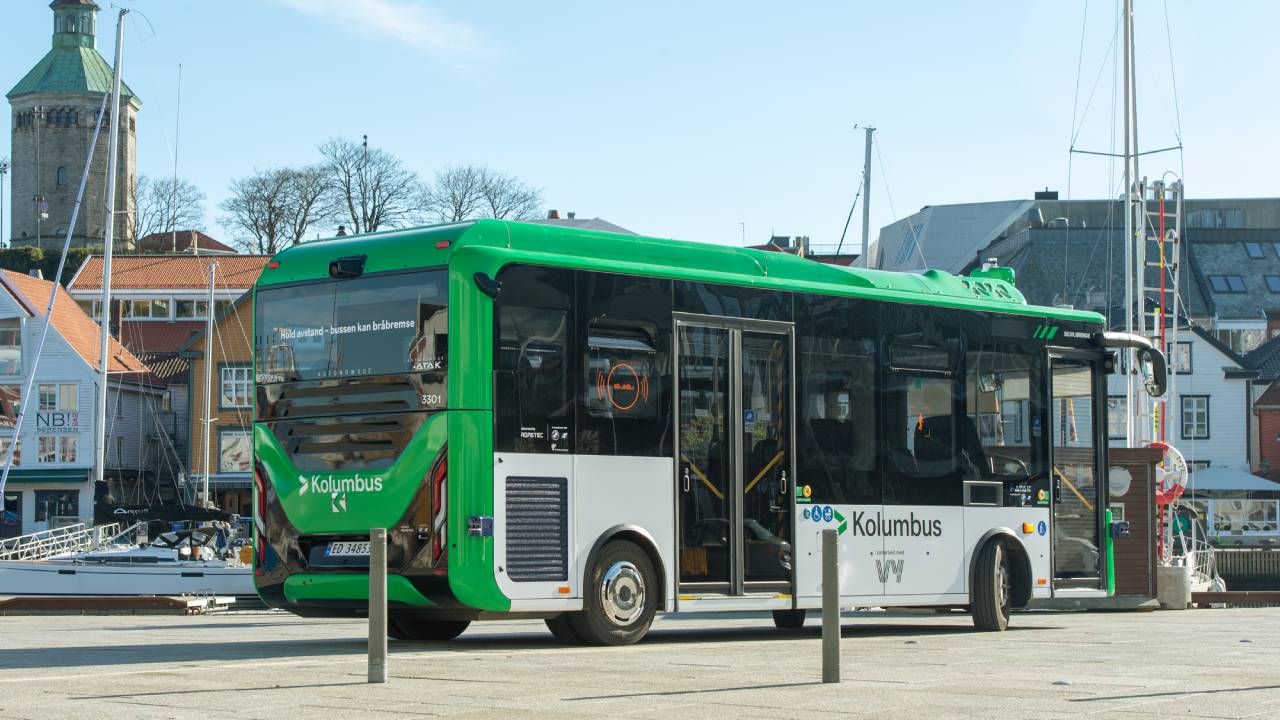
Türkiye’s automotive innovator Karsan is strengthening its position in the European mobility market with a bold step forward in autonomous transportation. The company’s Autonomous e-ATAK, developed with Level 4 autonomous driving software, is set to provide public transportation services in the German town of Burgdorf. The project, which recently received test approval from Germany’s Federal Motor Transport Authority (KBA), marks a major breakthrough for the future of urban mobility.
Launching the Burgdorf Autonomous Experience
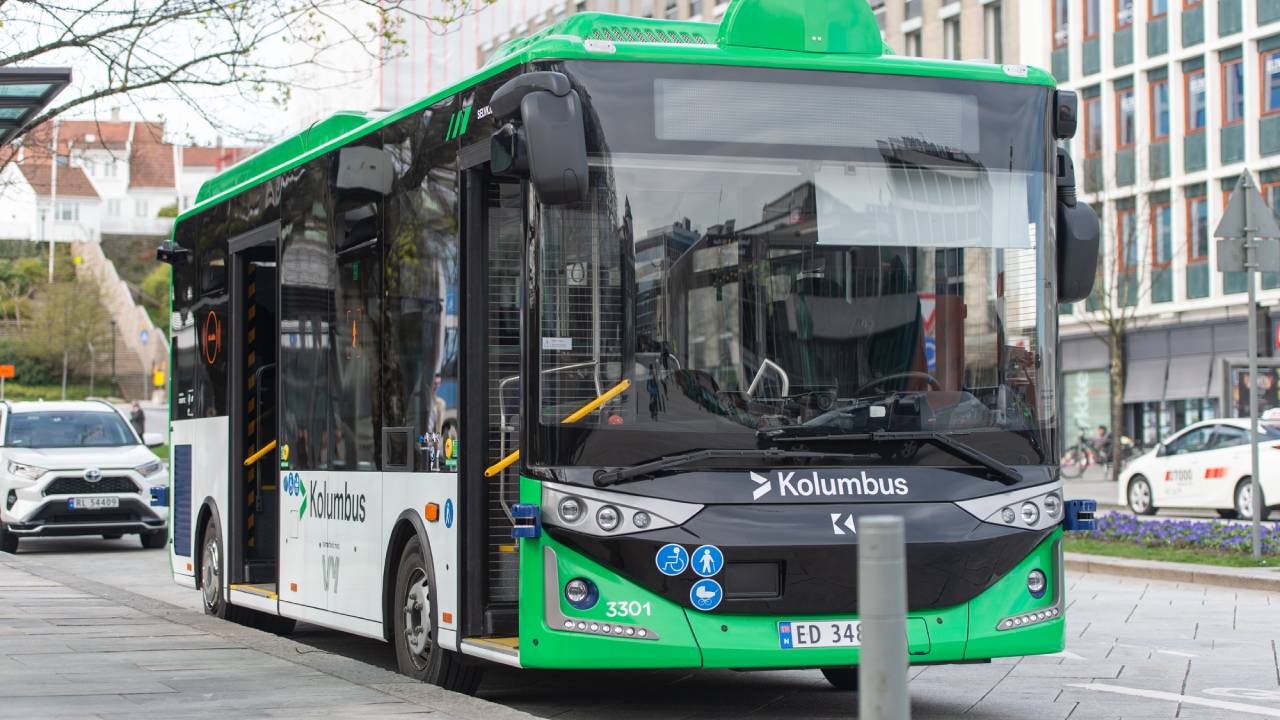
Under the framework of the “albus” project, the Autonomous e-ATAK will officially begin passenger transport operations in September. The bus will cover a six-kilometer route with 11 stops, passing through 10 traffic lights and navigating complex urban scenarios. Despite its compact size, the fully electric vehicle offers a range of 300 kilometers and a maximum speed of 40 kilometers per hour. With a 22-passenger seating capacity, it is seamlessly integrated into Burgdorf’s existing Route 906 network.
All services along the route will be free of charge, starting at Burgdorf’s Central Bus Terminal (ZOB) and extending to the Schwarzer-Herzog intersection.
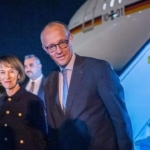
The official launch ceremony drew strong participation from key stakeholders, including Germany’s Federal Transport Minister Patrick Schnieder, Hanover Regional President Steffen Krach, ÜSTRA board members, Burgdorf Mayor Armin Pollehn, and Karsan’s executive leadership team. Attendees experienced a symbolic ride on the Autonomous e-ATAK, demonstrating the tangible progress of the project.
A 3.7 Million Euro Investment in Mobility Innovation
The albus project is backed by a significant 3.7 million euro investment, funded by the Federal Ministry of Transport following a Bundestag decision. This financial support underscores Germany’s commitment to transforming public transportation through autonomous solutions.
The pilot program will continue until the end of the year, with the option to extend based on demand. During the trial phase, every journey will include trained safety staff to ensure passenger security. In addition, passenger feedback will be collected through online surveys, enabling scientific evaluation of the user experience and the effectiveness of autonomous transport in a real-world environment.
Weekly updates on project details and route information are available on the official website uestra.de/albus, keeping the public informed about the initiative’s progress.
Two-Phase Route Plan
The deployment of the Autonomous e-ATAK in Burgdorf will be carried out in two stages.
Phase One covers the initial route: ZOB–Gartenstraße–Vor dem Celler Tor–Kleiner Brückendamm–Schwarzer-Herzog intersection.
Phase Two will extend operations into the Südstadt district, adding new stops at Geibelstraße, Niedersachsenring, Berliner Ring, Immenser Landstraße, and Immenser Straße.
At the start of operations in September, the service will run hourly, with the frequency subject to increase depending on public demand.
Building the Mobility of the Future
Karsan CEO Okan Baş highlighted the strategic significance of the project, stating, “With the Autonomous e-ATAK, we have achieved another milestone. We are now leading 13 autonomous projects in 12 different countries, shaping the future of mobility and taking pride in guiding Europe’s vision for public transport.”
Ali Peker, CEO of ADASTEC, Karsan’s technology partner, also emphasized the importance of the initiative: “This project, launched with KBA approval, is a key step in integrating autonomous driving into daily life. Our goal is to achieve safer, cleaner, and more inclusive mobility.”
A Glimpse into the Future of Public Transport
The Autonomous e-ATAK not only represents technological progress but also embodies an environmentally friendly solution. Its 100 percent electric engine, combined with cutting-edge autonomous systems, makes it a pioneering step toward sustainable cities.
The pilot operation in Burgdorf is expected to generate valuable data on how autonomous vehicles interact with real urban conditions, from traffic lights to passenger boarding patterns. These insights will contribute to refining the technology, ensuring it can be scaled across more complex urban environments.
Why Burgdorf Matters
Choosing Burgdorf for this pilot project reflects a strategic approach. Smaller cities with manageable traffic provide ideal testing grounds for autonomous systems before expansion into larger metropolitan areas. Success in Burgdorf could pave the way for broader adoption of autonomous buses in major German cities and across Europe.
Furthermore, by integrating with existing public transportation routes, the Autonomous e-ATAK ensures that autonomous mobility complements rather than disrupts urban infrastructure. This approach builds public confidence and showcases how new technology can enhance daily life.
Türkiye’s Expanding Footprint in Europe
Karsan’s entry into Burgdorf is part of a broader strategy to bring Türkiye’s mobility expertise to international markets. The company has already deployed electric and autonomous buses in various European countries, reinforcing its role as a global mobility provider.
By demonstrating its ability to meet strict regulatory requirements such as the KBA certification, Karsan has shown that its solutions are not only innovative but also compliant with the world’s toughest safety standards. This boosts Türkiye’s reputation in the field of advanced transportation technologies.
Editorial Note
The introduction of Karsan’s Autonomous e-ATAK in Germany is more than a technological trial. It is a statement of intent that the future of transportation lies in sustainability, safety, and inclusivity. As autonomous vehicles transition from prototypes to everyday reality, projects like this one in Burgdorf will define how cities evolve and how people move within them.