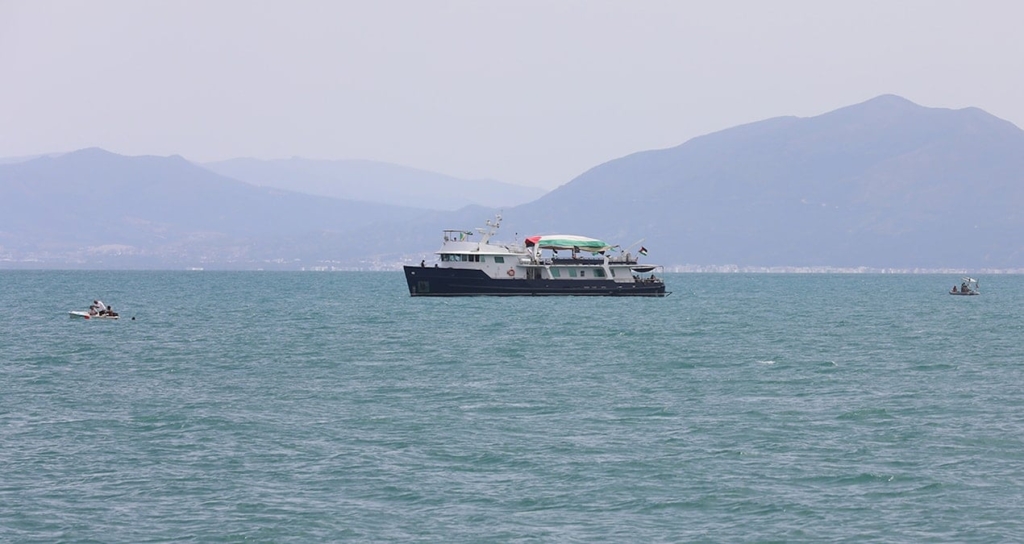

The latest chapter in international solidarity efforts for Palestine has taken a dramatic turn as one of the ships belonging to the Global Sumud Flotilla was targeted by a drone attack in Tunisia. The flotilla, which set sail from Spain on August 31 with the support of activists from over 44 countries, aims to break Israel’s blockade on Gaza.
The attack, confirmed by UN Special Rapporteur on the situation of human rights in the Palestinian territories Francesca Albanese, raises grave concerns over the safety of participants and the escalating risks faced by global initiatives challenging Israel’s siege of Gaza.
Details of the Attack
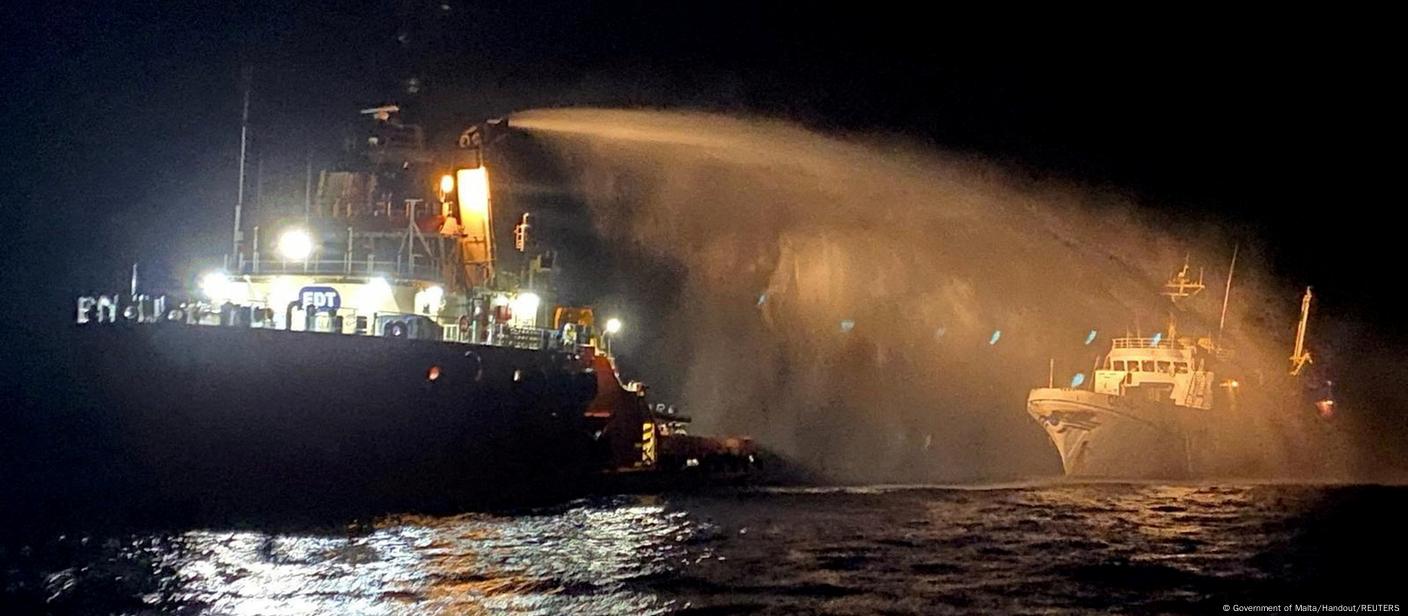
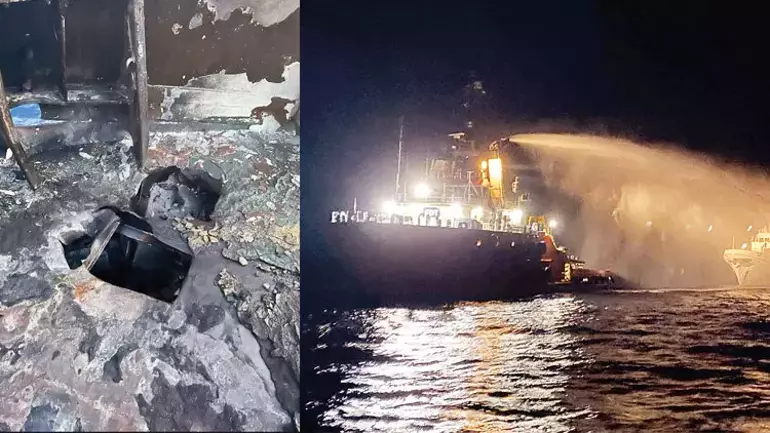
According to Albanese, the flotilla’s main vessel, docked at the port of Sidi Bou Said in Tunisia, was struck by a drone. Witnesses reported that the strike caused part of the boat to catch fire. A live broadcast by Wael Nawwar, a member of the Tunis Declaration Executive Committee of the Global Sumud Flotilla, further confirmed that the drone had deployed incendiary material onto the ship.
Eyewitness accounts from activists on board described the moment panic spread as flames erupted on the deck. Local security forces immediately sealed off the port, blocking entry for both vehicles and pedestrians. Although the damage was contained, the incident highlighted the vulnerability of civilian-led humanitarian missions operating in politically sensitive waters.
As of now, Tunisian authorities have not issued an official statement regarding the attack, leaving unanswered questions about who may be responsible and how the strike was carried out in a heavily monitored coastal area.
Background of the Flotilla
The Global Sumud Flotilla derives its name from the Arabic term “Sumud,” meaning steadfastness or resilience. The concept emerged in the aftermath of the 1967 Six-Day War and has since symbolized Palestinian resistance through nonviolent means such as civil disobedience, cultural preservation and grassroots institution-building. The imagery of olive trees and expectant mothers has long represented the spirit of Sumud, capturing the determination to survive and resist without surrender.
Organized with participants from across Europe, the Middle East, Africa and Asia, the flotilla is part of a broader international movement to challenge the legitimacy of the Gaza blockade. Activists see the journey not only as a physical attempt to reach Gaza but also as a symbolic rejection of policies they view as collective punishment against civilians.
Tunisia as a Staging Point
After departing Spain, the flotilla arrived in Tunisian waters on September 7. Nawwar explained to journalists that the ships would remain in Tunisia until all participating vessels assembled before departing collectively on September 10. Additional boats from Tunisia and other countries were set to join, with further reinforcements planned near Italian waters.
Among the passengers preparing to embark from Tunisia are nearly 150 activists, including dozens of Turkish citizens, alongside supporters from Europe, North Africa and beyond. Their goal is to highlight international opposition to the blockade while drawing attention to humanitarian concerns in Gaza.
Geopolitical Implications of the Incident
The drone attack carries implications far beyond the immediate safety of activists. If proven to be a deliberate attempt to sabotage the flotilla, it risks sparking diplomatic tensions between Tunisia and other regional powers. Tunisia has historically supported Palestinian rights, and any breach of its sovereignty through covert strikes could strain relations with countries suspected of involvement.
For Israel, flotilla missions represent a recurring challenge to its maritime control around Gaza. Previous flotilla attempts, most notably the 2010 Mavi Marmara incident involving Turkish activists, resulted in deadly confrontations and widespread international condemnation. While Israel has not been directly implicated in this latest attack, suspicions persist, and the political narrative surrounding the incident will likely shape public opinion across the Middle East.
International Reactions and Calls for Protection
Albanese’s statement underscored the urgent need for enhanced protection for the flotilla. She emphasized that the two other ships en route to the Tunisian port were at risk and required immediate safeguarding. Human rights organizations have echoed these concerns, warning that failure to protect the flotilla undermines the principles of peaceful protest and international solidarity.
Global civil society groups, including pro-Palestinian networks in Europe and North America, have begun rallying support online, demanding accountability and urging the international community to ensure the safety of the flotilla participants. Social media platforms quickly filled with hashtags and calls for vigilance, with many activists drawing parallels between this incident and past assaults on humanitarian missions bound for Gaza.
Symbolism of the Flotilla Movement
The Global Sumud Flotilla embodies more than just a protest against the blockade. It represents a convergence of international solidarity, grassroots activism and symbolic defiance. Participants often describe their mission as carrying the voices of those in Gaza who remain isolated under years of siege.
By setting sail under the banner of “Sumud,” the flotilla ties itself to a deep-rooted Palestinian philosophy of resistance through endurance. Unlike armed confrontation, this movement seeks to highlight moral and humanitarian arguments, positioning itself within global narratives of justice, dignity and self-determination.
Challenges Ahead
Despite the resilience of organizers, logistical and political challenges remain significant. Coordinating vessels from multiple countries, ensuring safety at sea and navigating complex diplomatic waters are daunting tasks. The drone attack adds another layer of uncertainty, raising concerns about potential future sabotage attempts.
Still, Nawwar and other leaders insist that the mission will proceed. “We are determined to sail from Tunisia and join additional ships along the way,” he declared earlier. The commitment reflects not only the resolve of the activists but also the enduring power of symbolic acts in global politics.
Editorial Note
The attack on the Global Sumud Flotilla is a stark reminder of the dangers faced by civilian initiatives challenging entrenched geopolitical realities. While the flames on the Tunisian boat may have been extinguished, the symbolic fire of solidarity continues to burn. Whether or not the flotilla reaches Gaza, its journey has already reignited international attention on the blockade and the broader question of Palestinian rights.
As activists prepare to set sail once again, their mission stands as both a humanitarian effort and a political statement, one that forces the world to confront uncomfortable questions about justice, sovereignty and the right to resist oppression.