
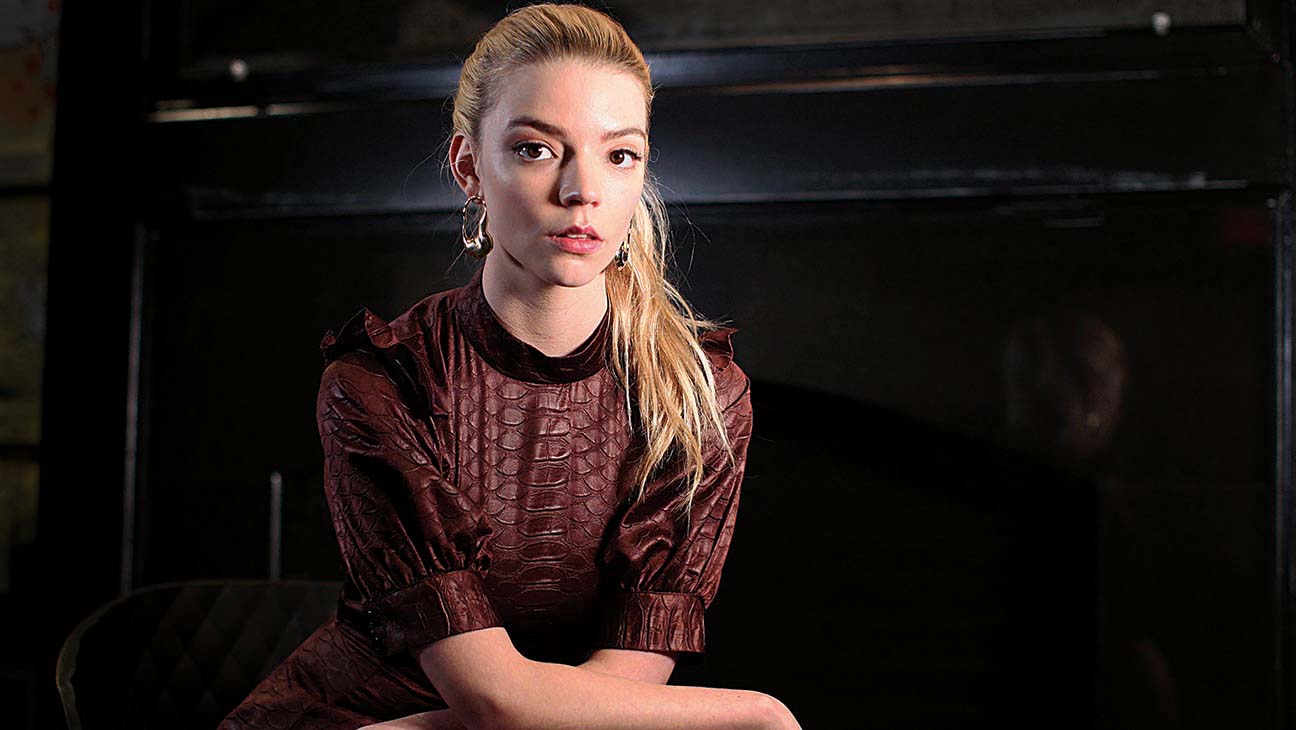
Anya Taylor-Joy, the globally renowned actress known for her breakout role in The Queen’s Gambit, recently added Turkey to her vacation itinerary—and her presence didn’t go unnoticed. Spotted wandering the historical ruins of Lymra Ancient City in Antalya’s Demre district, the 28-year-old actress offered more than just a glimpse of star power. Her trip has opened a deeper conversation about Anya Taylor-Joy lifestyle effects, cultural curiosity, and how high-profile personalities influence travel and well-being trends.
In this article, we go beyond the celebrity headlines to unpack how Taylor-Joy’s brief but highly symbolic visit connects with psychology, sociology, and the evolving Turkey Lifestyle Agenda 2025.

A Celebrity Visit With Deeper Social Layers
On the surface, Taylor-Joy’s trip seems like just another celebrity getaway. But in a world hyper-connected by social media, even a simple vacation post can carry tremendous cultural and emotional weight.
Her interaction with locals in Ortaca, where she reportedly enjoyed chatting and posed for photos over a cup of ayran, paints a picture that resonates far beyond fame. These unfiltered moments humanize celebrities and deepen their cultural footprint.
This is more than tourism—it’s lifestyle diplomacy.
Why Lymra?
The Lymra Ancient City, part of the once-glorious Lycian civilization, offers more than photogenic ruins. Surrounded by rock-cut tombs, ancient aqueducts, and crumbling fortress walls, the site is a quiet testament to human history’s endurance.
Nature + History = Emotional Balance
Psychologists suggest that visiting historical locations stimulates reflection, humility, and groundedness—especially in a digital age dominated by speed and surface.
Immersion in ancient architecture helps calm the nervous system.
Physical contact with natural elements (like stepping into a stream, as Taylor-Joy did) reduces cortisol levels.
Curiosity about past civilizations activates deep neural pathways linked to emotional intelligence.

Antalya Life Tips From an Unexpected Source
While most wouldn’t look to a Hollywood actress for Antalya life tips, Taylor-Joy’s journey accidentally modeled many wellness trends promoted by mental health experts in 2025.
What We Can Learn From Her Trip
Disconnect to Reconnect – No flashy events, just natural moments in a remote village.
Meaningful Local Engagement – Conversation over ayran beats curated luxury.
Conscious Sharing – Her Instagram post showed quiet joy, not extravagance.
This kind of slow travel reflects a shift in lifestyle ideals—from materialism to mindfulness.
How Celebrity Actions Shape Public Lifestyle Trends
Studies show that celebrity behavior influences not only fashion and consumer choices but also wellness decisions and travel behavior. When a figure like Anya Taylor-Joy shares a photo hiking through ancient ruins in Turkey, it sends a message:
“This is beautiful. This is worth your time. This is cool.”
Societal Ripple Effects
Increases tourism in lesser-known places like Demre or Ortaca
Encourages younger audiences to value cultural depth
Fuels positive discourse about Turkey’s rich heritage
It’s no surprise that Turkey Lifestyle Agenda 2025 now includes policies to promote historical tourism as a means to social cohesion and emotional wellness.
The Sociology of Being Seen
There’s also a sociological layer worth examining. Taylor-Joy’s trip recontextualizes celebrity behavior in a non-Western setting, opening doors to conversations around:
Cultural appreciation vs. cultural consumption
How public figures shape perceptions of national identity
The soft power of hospitality
Her willingness to engage with Turkish locals—smiling for photos, learning a few phrases, enjoying ayran—shows a level of cultural humility that resonates positively, especially in contrast to more performative celebrity travel.
And when those moments are shared? They influence millions.
What Lymra Represents in 2025
Lymra is not just a collection of rocks and ruins; it is a living classroom for identity, resilience, and the layers of civilization. In a post-pandemic era where mental health, authenticity, and cultural roots matter more than ever, spaces like this become sanctuaries for soul-searching.
That a global star chose to step barefoot into its stream sends a loud but gentle message:
“Let history ground you.”
Who Is Anya Taylor-Joy?
Born on April 16, 1996, in Miami, Florida, Anya Josephine Marie Taylor-Joy is a critically acclaimed actress with Argentine-British roots. Her rise to fame began with the psychological horror film The Witch (2015), which set the tone for her preference for emotionally complex characters and unconventional scripts.
She later starred in Split, Glass, Emma, and most notably The Queen’s Gambit, which earned her a Golden Globe Award and global recognition. In 2021, she was listed among Time Magazine’s “100 Next”, highlighting her influence as an emerging global icon.
What sets her apart isn’t just her acting talent—but also her thoughtful public persona and authentic lifestyle choices. This makes her travel experiences, like her recent visit to Turkey, especially intriguing to her fans.
Lymra and the Legacy of Lycia
Situated in Antalya’s Demre district, Lymra Ancient City was one of the key settlements of the Lycian civilization, dating back to the 5th century BCE. Unlike more tourist-saturated destinations, Lymra retains its tranquil charm, offering visitors a genuine glimpse into Anatolia’s layered past.
Notable features include:
Rock-cut tombs, symbolizing the Lycian belief in the afterlife
Water channels and aqueducts, showcasing advanced engineering
Stone fortifications, hinting at the city’s strategic importance
Today, Lymra serves as a bridge between history and modernity. It provides a quiet, meditative backdrop for travelers seeking meaning beyond the selfie.
The Broader Impact of Celebrity Tourism in Turkey
Anya Taylor-Joy’s visit is not the first time an international celebrity has chosen Turkey for personal travel. From Hollywood actors to global influencers, Turkey’s blend of history, hospitality, and affordability continues to attract high-profile visitors.
But the impact of these visits is more than economic:
Local tourism sees a temporary spike, especially in less-known towns
Younger audiences become more open to cultural tourism
Public discourse becomes more positive, enhancing the country’s soft power image