
As diplomatic efforts to end the ongoing war between Russia and Ukraine continue, Kremlin spokesperson Dmitry Peskov has confirmed that a Russian delegation is en route to Istanbul to participate in the third round of negotiations with Ukrainian representatives. The high-stakes meeting, expected to take place later this evening, marks another attempt at forging common ground in a conflict that has devastated regions, displaced millions, and strained global stability.
The agenda for the Istanbul negotiations includes discussions on memorandum drafts, ongoing prisoner swaps, and other unresolved political and military concerns. However, Peskov has warned that the talks are likely to be difficult, as the current memorandum drafts presented by both sides are reportedly “completely contradictory.”
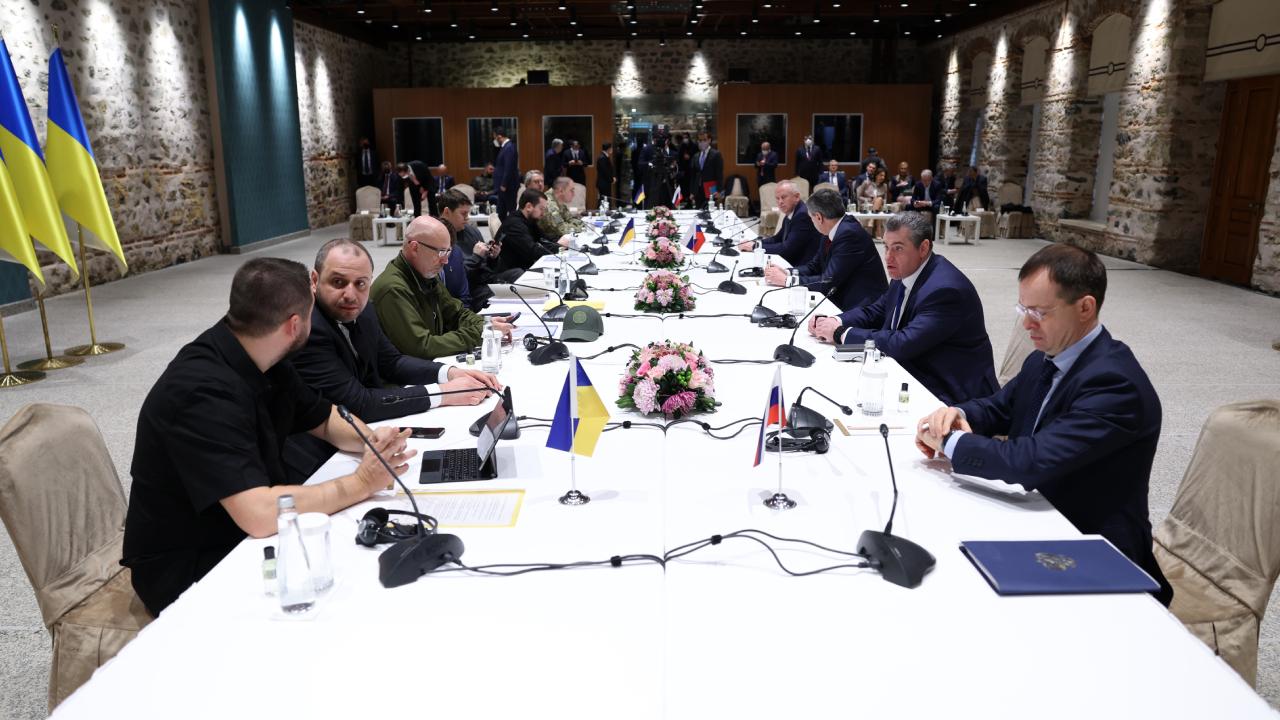
A Delicate Setting for Critical Discussions
The decision to host the next phase of talks in Türkiye reflects the country’s continued role as a neutral ground for dialogue between the warring nations. Türkiye has long maintained open channels with both Moscow and Kyiv and has repeatedly positioned itself as a potential mediator in the conflict.
While earlier negotiations failed to produce concrete breakthroughs, this third round is being seen as more strategically significant. It is reportedly aimed not only at resolving existing points of contention but also at laying the groundwork for a possible future meeting between Russian President Vladimir Putin and Ukrainian President Volodymyr Zelenskyy.
Memorandum Drafts Signal Deep Divides
One of the main focal points of the talks is the set of memorandum drafts exchanged by the two sides. According to Peskov, these documents represent starkly opposing viewpoints, suggesting that reaching any form of consensus will be a major challenge.
“The work on agreeing upon these drafts is preparatory in nature for a potential meeting between President Putin and President Zelenskyy,” Peskov said during a press briefing. He emphasized that organizing such a high-level meeting without rigorous groundwork would be “pointless.”
Peskov’s remarks underscore the deep divisions that still exist despite months of war, sanctions, and international pressure. The divergence in these drafts is not just procedural but ideological, encompassing different visions for sovereignty, territorial control, and political legitimacy.
No Zelenskyy-Putin Meeting Without Substantial Progress
With growing international speculation about a direct dialogue between the two leaders, Peskov’s statement has effectively tempered expectations. “A meeting between Putin and Zelenskyy would be fruitless unless preceded by intense preliminary work,” he added.
This clarification indicates that any potential presidential summit would be contingent upon meaningful diplomatic progress at the lower levels. It also reflects Moscow’s calculated approach to negotiations, where symbolic gestures are avoided in favor of tactical leverage.
Ukraine’s Internal Politics Add Complexity to Peace Efforts
In addition to the main negotiation agenda, Peskov commented on Ukraine’s internal legislative matters, particularly regarding anti-corruption bodies. He noted that recent developments concerning Ukraine’s National Anti-Corruption Bureau and the Special Anti-Corruption Prosecutor’s Office are strictly internal affairs.
This stance is consistent with Russia’s policy of publicly distancing itself from internal Ukrainian governance, even while accusing the Ukrainian state of widespread corruption. According to Peskov, a significant portion of the Western financial aid provided to Ukraine has been embezzled, calling attention to what he described as a “culture of corruption” within the country.
Accusations of Misused Western Aid Stir Controversy
Perhaps one of the more controversial statements from Peskov was his assertion that much of the financial assistance Ukraine has received from Western nations has been misappropriated. “It is obvious that a significant portion of the money sent to Ukraine by the West has been embezzled,” he claimed, pointing to what he characterized as systemic corruption in the Ukrainian government.
These comments may further complicate Kyiv’s diplomatic standing with international donors, who have already voiced concerns over transparency and governance. However, Ukrainian officials have strongly rejected such claims in the past, accusing Moscow of using disinformation as a tool of war.
Türkiye’s Strategic Role as Mediator
Türkiye’s role as the host nation for this round of negotiations is far from incidental. As a NATO member with strategic ties to both Russia and Ukraine, Türkiye is uniquely positioned to facilitate dialogue. Its geographical location, coupled with diplomatic agility, makes it a natural candidate for hosting sensitive international discussions.
President Recep Tayyip Erdoğan has previously offered to mediate between the two sides and has maintained contact with both Moscow and Kyiv throughout the war. Türkiye’s mediation efforts are not limited to providing space for dialogue; they also involve active diplomatic engagement behind the scenes.
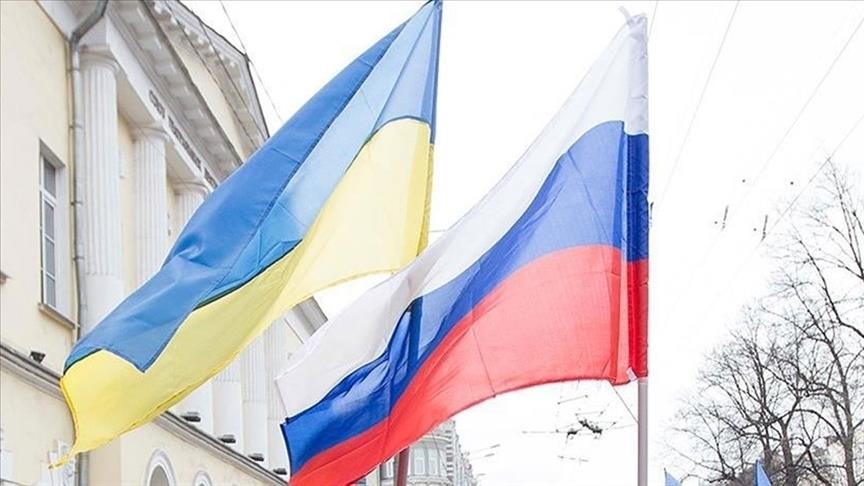
What Is at Stake in Istanbul
The third round of peace talks arrives at a critical juncture. With the war entering a prolonged phase and civilian casualties mounting, the urgency for a diplomatic solution has never been greater. Both nations are under pressure—Russia from international sanctions and domestic dissent, and Ukraine from military fatigue and infrastructural devastation.
For observers, the Istanbul talks represent a rare window of opportunity. The hope is that even if major agreements aren’t finalized, the process will help establish trust, create channels for future dialogue, and potentially open the door to a broader ceasefire or framework for lasting peace.
Global Reactions and Diplomatic Pressures
The international community continues to monitor the situation closely. Western nations, including the United States and European Union members, have expressed cautious optimism while reaffirming their support for Ukraine. The United Nations has called for sustained dialogue and an immediate cessation of hostilities.
Analysts warn that without tangible outcomes from the Istanbul meetings, the war could become further entrenched, escalating the humanitarian crisis and destabilizing regional security.
Conclusion
As the Russian delegation heads to Istanbul for another critical round of peace talks, the path forward remains fraught with uncertainty. The mutual distrust, conflicting agendas, and divergent memorandum drafts indicate that diplomacy will require not only time but an unprecedented level of political will from both sides.
Nevertheless, Türkiye’s role as a neutral host and the international appetite for peace provide a fragile but vital foundation for potential progress. Whether or not this round of negotiations leads to a breakthrough, the very act of dialogue amidst war is a signal of hope in a world desperate for peace.