In a world where drone warfare is becoming increasingly prevalent, Türkiye is making bold strides to fortify its air defense infrastructure. At the 17th International Defence Industry Fair (IDEF 2025) held at the İstanbul Expo Center, Türkiye’s defense powerhouse ASELSAN unveiled its latest innovation: EJDERHA, a next-generation anti-drone system that will serve as a critical element in the country’s evolving Çelik Kubbe (Steel Dome) defense network.
Hosted under the auspices of the Ministry of National Defense, supported by the Presidency of Defence Industries, and organized by KFA Fuarcılık AŞ, IDEF 2025 continues to serve as a platform for Türkiye to present its homegrown military capabilities to the world. As a key participant, ASELSAN’s presence this year carried special weight—not only due to its technological showcase but also because of the increasing global relevance of anti-drone defense systems.
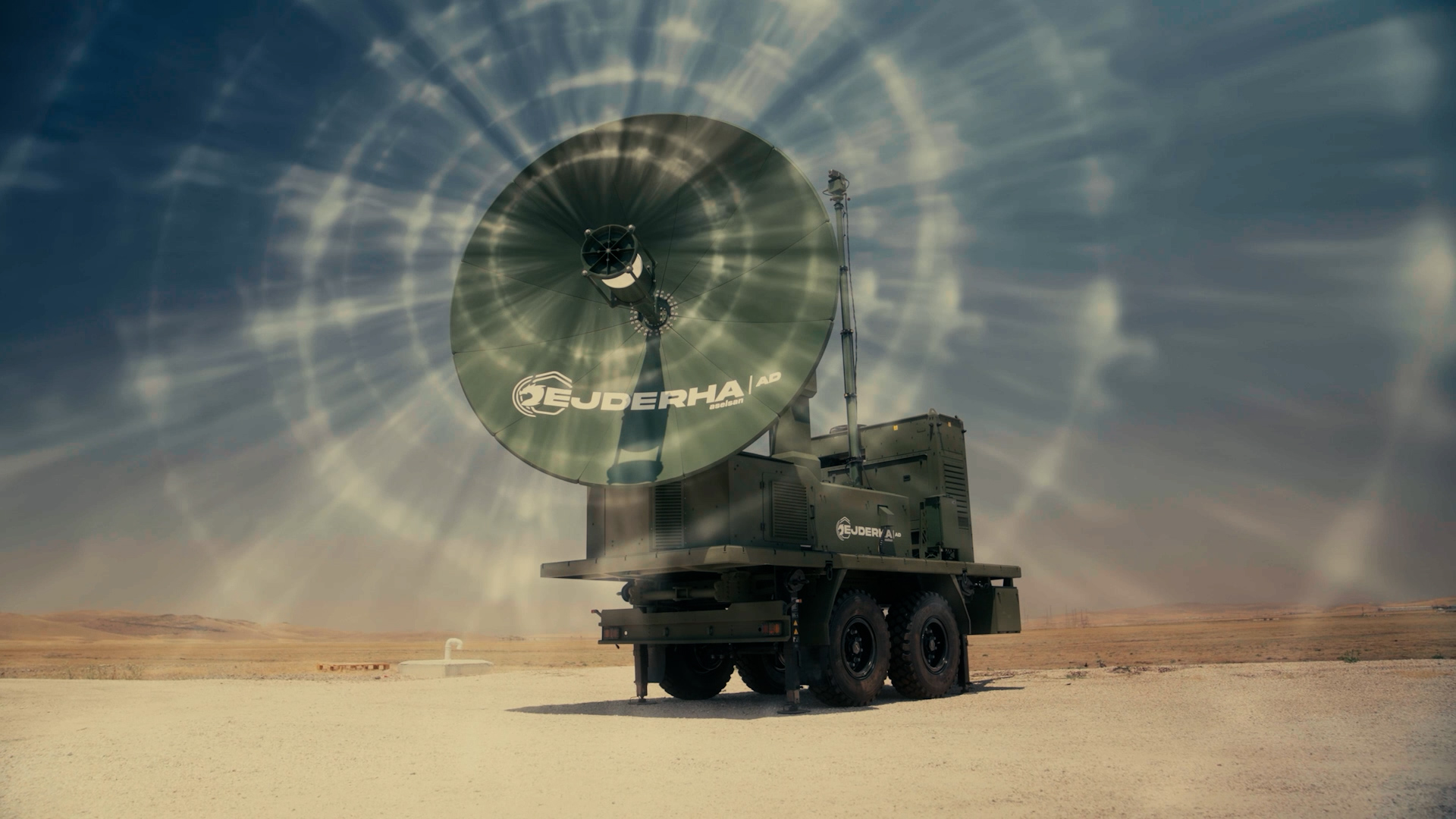
EJDERHA: A Tactical Shield Against Micro and Mini Drone Threats
One of the most anticipated technologies on display was EJDERHA, a high-mobility, microwave-based counter-unmanned aerial system (C-UAS). Designed to neutralize mini and micro drones using directed energy, EJDERHA offers both tactical flexibility and rapid deployment capability in the field.
Its unique design allows it to operate in a wide range of operational environments, providing point defense against increasingly sophisticated aerial threats. These include swarm drones, which have emerged as a new tactic in asymmetric warfare. By disrupting communication links and internal electronics of intruding UAVs, EJDERHA effectively disables hostile aircraft without the need for kinetic engagement.
This makes the system particularly valuable in urban warfare, critical infrastructure protection, and mobile convoy defense, where collateral damage must be minimized.
The Steel Dome Expands with New Integrated Defense Systems
EJDERHA is more than a standalone solution; it is part of Türkiye’s growing Çelik Kubbe project, often described as a “system of systems.” Approved by President Recep Tayyip Erdoğan, Çelik Kubbe is designed to provide layered, multi-tiered protection against low, medium, and high-altitude aerial threats.
At IDEF 2025, ASELSAN presented a complete lineup of Çelik Kubbe components, including:
GÖKTAN – A ground-based air defense system tailored for short-range threats
KORAL 200 – An upgraded version of Türkiye’s renowned electronic warfare system
TURAN – A mobile radar and sensor platform for threat detection and tracking
GÜRZ – A newly introduced air defense missile system designed for extended range protection
Together with EJDERHA, these systems are being integrated through a centralized command-and-control framework, enhancing operational synergy across air, land, and cyber domains.
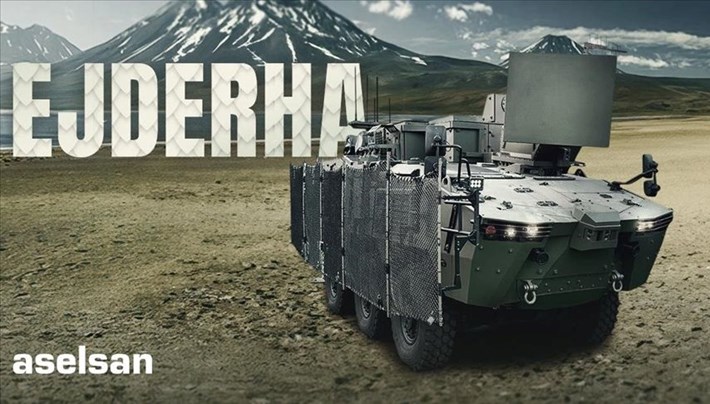
Why Türkiye’s Anti-Drone Capabilities Matter Now
In recent years, the rise of drone usage in military and paramilitary conflicts—from Ukraine to the Middle East—has underscored the urgent need for advanced C-UAS solutions. Türkiye, recognizing the growing asymmetry in aerial warfare, has prioritized the development of indigenous systems that are scalable, exportable, and modular.
With defense electronics giant ASELSAN at the helm, Türkiye is not only bolstering its own security but also positioning itself as a major global supplier of counter-drone technologies. The addition of EJDERHA to Çelik Kubbe is a signal that Türkiye is ready to export deterrence and defense, particularly to allied nations facing similar UAV threats.
Strategic Implications and National Autonomy
The unveiling of EJDERHA and its incorporation into Çelik Kubbe carries profound strategic and geopolitical implications.
First and foremost, it represents Türkiye’s push toward strategic defense autonomy—a goal that has become more urgent in light of global supply chain disruptions and shifting NATO dynamics. By developing its own defense architecture, Türkiye reduces its reliance on external technology providers and secures critical national infrastructure against evolving threats.
Second, it boosts Türkiye’s export potential in the defense sector, a market already expanding with successful exports of Bayraktar drones and other Turkish-origin systems. Countries with similar terrain and threat landscapes are expected to be particularly interested in the Çelik Kubbe suite.
The Role of IDEF 2025 in Showcasing Türkiye’s Defense Future
IDEF 2025 serves not just as a venue for arms deals, but also as a stage for innovation, attracting military delegations, defense experts, and journalists from around the globe. ASELSAN’s booth at this year’s fair was one of the most visited, underscoring intense global interest in Türkiye’s rapid progress.
Backed by the Turkish Armed Forces Foundation (TSKGV) and promoted by Anadolu Agency as the “Global Communication Partner,” the event provided an ideal opportunity to introduce EJDERHA to international defense stakeholders.
Many visitors expressed interest in joint development, technology transfer, and training programs, which could see EJDERHA deployed in various international theaters in the near future.
The Future of Çelik Kubbe and AI-Driven Defense
As cyber and kinetic threats increasingly converge, the future of Çelik Kubbe lies in AI-driven threat detection, multi-sensor fusion, and interoperability with unmanned platforms. ASELSAN is reportedly working on enhancing EJDERHA’s targeting algorithms to enable autonomous threat classification and real-time response coordination with other defense nodes.
This would essentially transform Çelik Kubbe from a passive shield into an active, learning defense ecosystem, capable of adapting to emerging aerial threats with minimal human intervention.
Final Thoughts
Türkiye’s debut of EJDERHA at IDEF 2025 signals a turning point in modern air defense strategy. With a combination of indigenous innovation, strategic vision, and real-world applicability, ASELSAN and the Çelik Kubbe program are laying the groundwork for a resilient, autonomous, and export-ready defense network.
As drone threats continue to proliferate, Türkiye’s early investments in counter-drone systems like EJDERHA may well serve as a global benchmark for effective, scalable airspace protection.