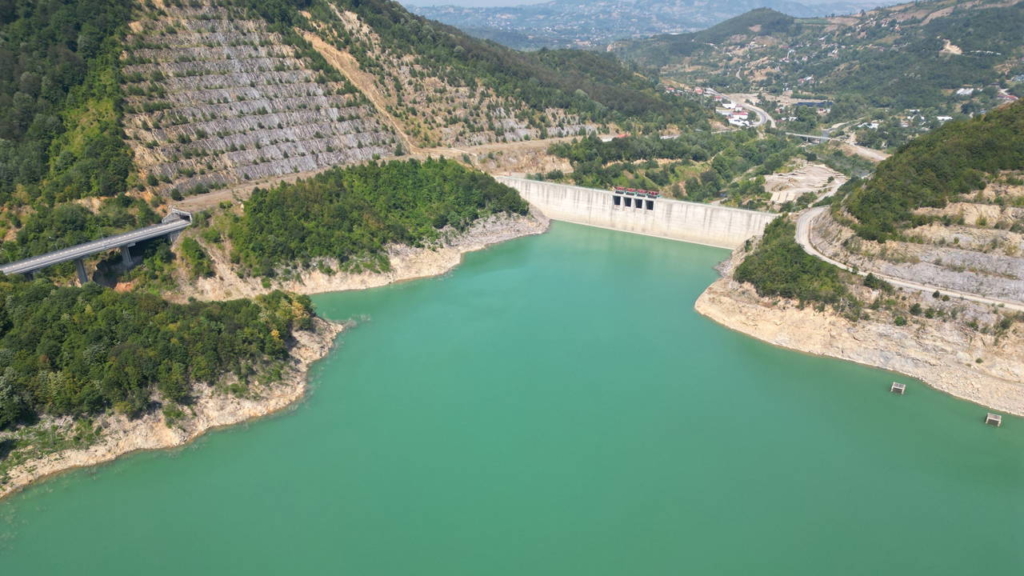

As Türkiye experiences increasingly unpredictable weather patterns, Istanbul’s water supply remains a topic of public concern. According to the latest data released by İSKİ (Istanbul Water and Sewerage Administration) on Tuesday, August 5, 2025, the total reservoir occupancy rate for the city’s ten major dams stands at 51.04 percent—a figure reflecting the mounting stress on urban water infrastructure.
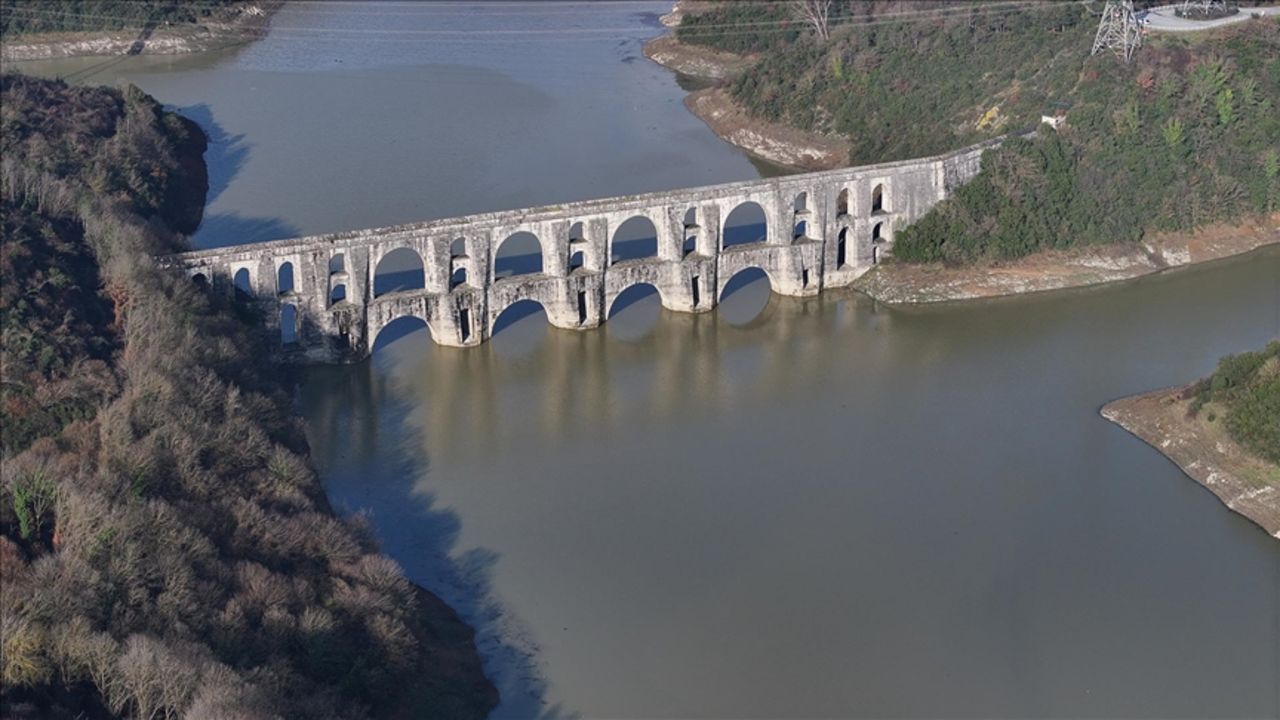
A Worrying Decline Amid Summer Heat
The water levels, measured at the peak of the summer season, indicate a significant decline from the historical averages for this time of year. While Istanbul has witnessed periodic rainfall in recent months, the cumulative effect has not been sufficient to restore the dam levels to comfortable thresholds.
Here is the detailed breakdown of the water storage levels for each of the ten reservoirs that supply Istanbul:
Ömerli Dam: 51.36%
Darlık Dam: 62.33%
Elmalı Dam: 68.17%
Terkos Dam: 55.42%
Alibey Dam: 35.08%
Büyükçekmece Dam: 50.04%
Sazlıdere Dam: 43.59%
Istrancalar Dam: 32.89%
Kazandere Dam: 40.62%
Pabuçdere Dam: 44.92%
The total capacity of these reservoirs combined has fallen dangerously close to the halfway mark, triggering renewed concerns about long-term water sustainability in Türkiye’s largest city.
Climate Change and Urban Water Risk
Experts warn that climate variability, especially prolonged periods of drought and decreased winter precipitation, are taking a toll on Türkiye’s major cities—none more visibly than Istanbul. The city, with a population exceeding 16 million, consumes hundreds of thousands of cubic meters of water daily for domestic, industrial, and agricultural purposes.
Dr. Cemil Şahin, a climate risk specialist at Istanbul Technical University, explained that Istanbul’s water infrastructure was not designed to cope with prolonged dry seasons. “Each dam has a different response pattern depending on its catchment area, depth, and location. While Darlık and Elmalı show relatively higher retention, critical sources like Alibey and Istrancalar are nearing emergency levels.”
Most Vulnerable Dams: Red Flags Raised
The Alibey and Istrancalar Dams have emerged as two of the most vulnerable reservoirs. With Alibey at 35.08% and Istrancalar at a worrying 32.89%, the possibility of water restrictions or rationing in localized areas cannot be ruled out if the dry conditions persist.
The Kazandere and Pabuçdere Dams, which serve the western districts of Istanbul, are also showing warning signs with occupancy rates of 40.62% and 44.92% respectively—barely meeting safe levels needed to withstand August heatwaves.
Elmalı and Darlık: Better But Not Secure
On the higher end, Elmalı Dam recorded the highest level at 68.17%, followed by Darlık Dam at 62.33%. While these figures are more encouraging, they still lag behind previous years’ seasonal averages, indicating the systemic impact of below-average rainfall.
These reservoirs, located in more forested and rain-fed regions, tend to recover faster after storms. However, experts caution that reliance on these alone is not a viable long-term strategy.
Urban Demand vs. Natural Supply
As urban sprawl continues across Istanbul and surrounding districts, water demand is steadily increasing. New real estate developments, population influx, and tourism growth are placing unprecedented pressure on water consumption.
In addition, inefficiencies in municipal water usage, such as leaky infrastructure and irrigation waste, further reduce the system’s resilience. With reservoirs already dipping below critical levels, authorities are once again urging conservation and responsible usage.
What ISKI Recommends
In its official statement, İSKİ noted that it is closely monitoring the situation and ready to implement contingency plans if conditions deteriorate. These plans may include:
Voluntary and mandatory water conservation campaigns
Reduced water pressure during off-peak hours
Postponement of non-essential municipal water use
Enhanced monitoring of industrial water consumption
Residents are also being reminded to fix leaking taps, limit lawn watering, and avoid excessive water use during the day’s hottest hours.
A Broader Regional Challenge
The situation in Istanbul reflects a broader water crisis unfolding across Türkiye and the Mediterranean region. With rainfall becoming more erratic and snowfall levels plummeting, cities that were once water-rich are now facing severe scarcity.
According to the Turkish State Meteorological Service, precipitation in the Marmara Region has decreased by nearly 25% over the past 10 years. Coupled with average temperature increases of 1.5°C, these changes have contributed to accelerated evaporation in reservoirs.
Can Desalination or New Dams Be the Solution?
While some municipalities have floated the idea of desalination plants or new dam constructions, these solutions come with high costs and long lead times. Environmental groups also caution against unchecked dam construction, citing ecological disruptions and habitat loss.
Instead, many scientists advocate for improving existing infrastructure, rainwater harvesting, and wastewater recycling as more immediate, sustainable actions.
Community Awareness Is Crucial
The unfolding scenario serves as a critical reminder of the role of public awareness in mitigating urban water crises. With meteorologists predicting that August and September may continue to be dry, individual action becomes increasingly impactful.
Whether it’s shortening showers, using efficient appliances, or educating children about water value, household behavior can create measurable change.
A Ticking Clock
As Istanbul enters the hottest weeks of the summer, water availability will remain a headline issue. While some reservoirs show temporary stability, others are approaching historic lows. The next 30 days will be crucial in determining whether Istanbul’s water security can be maintained—or whether emergency actions will be necessary.