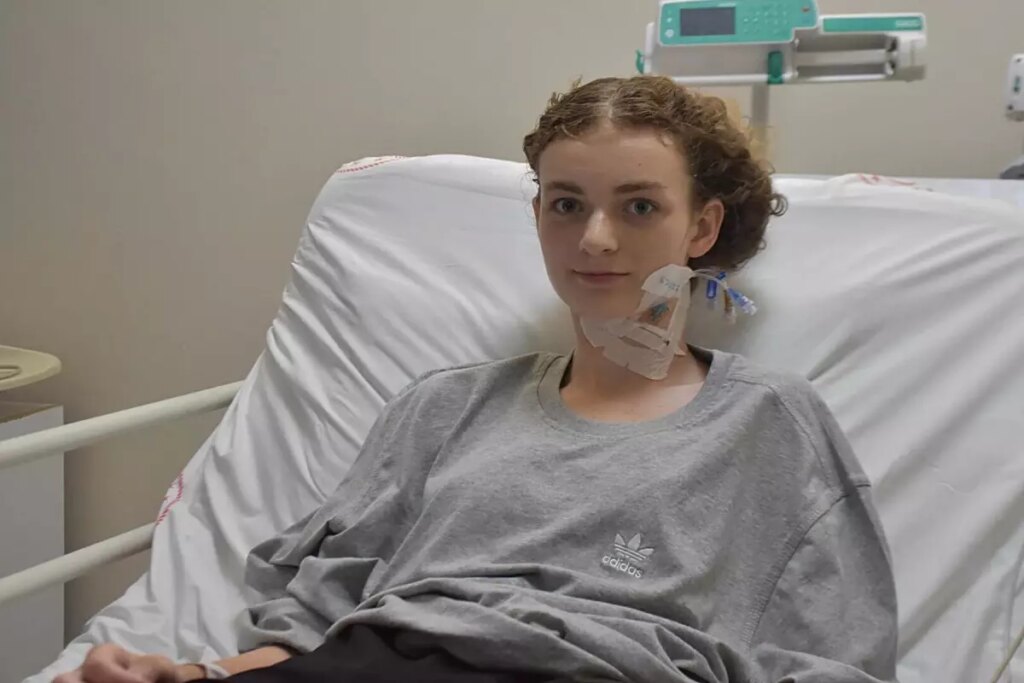

A 14-year-old British girl who suffered sudden cardiac arrest while vacationing in Türkiye has made a remarkable recovery, thanks to a rare medical procedure known as therapeutic hypothermia. Emma Lasise Morton, who collapsed unexpectedly at a hotel in the resort town of Didim, was later transferred to a specialized pediatric intensive care unit in İzmir, where doctors initiated the body-cooling treatment that ultimately saved her life.
The medical team overseeing her care stated that the treatment helped prevent permanent brain damage, despite the teenager being without oxygen for over 30 minutes. Her case is now being hailed as a textbook example of how fast intervention and modern critical care techniques can reverse near-fatal outcomes, even in remote settings.
A Holiday That Took a Terrifying Turn
Emma Lasise Morton arrived in Türkiye with her parents for a summer vacation in Didim, a coastal destination in Aydın province popular with both local and international tourists. The family had planned a weeklong trip, with their return to the UK scheduled for the day after the incident.
On July 25, while briefly heading to the hotel lobby to grab a bottle of water, Emma suddenly collapsed and lost consciousness. Her heart stopped beating and she was no longer breathing.
Bystanders, including hotel guests and staff, immediately rushed to her aid. Emergency medical services (EMS) arrived promptly and began advanced life support procedures, including cardiopulmonary resuscitation (CPR) and intubation. Paramedics successfully restarted her heart using chest compressions and continued ventilation.
She was initially transported to Didim State Hospital, but due to the severity of her condition and need for specialized neurological care, she was transferred to SBÜ İzmir University Faculty of Medicine, Dr. Behçet Uz Pediatric Surgery and Research Hospital.
Cooling the Body to Save the Brain
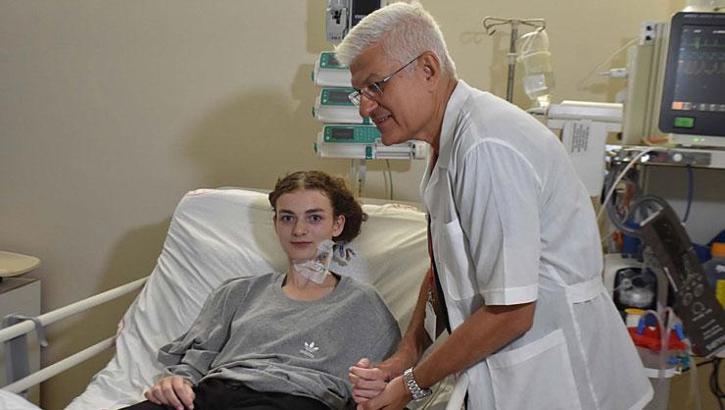
At the İzmir hospital, Emma was placed under the care of Dr. Hasan Ağın, the lead physician at the Pediatric Intensive Care Unit. Dr. Ağın decided to initiate therapeutic hypothermia—a controlled body-cooling treatment designed to minimize neurological damage following cardiac arrest.
“In cases where the brain goes without oxygen for an extended period, the risk of permanent brain damage increases significantly,” explained Dr. Ağın. “Emma had likely been without oxygen for over 30 minutes. This was a critical case, and the only option was to attempt therapeutic hypothermia.”
The process involved reducing Emma’s core body temperature to between 32–34°C for a duration of 48 hours. The goal was to slow down the metabolic processes in the brain, reducing inflammation and preventing further damage to brain cells caused by oxygen deprivation.
A Miraculous Recovery
Despite the odds, Emma responded remarkably well to the treatment. She was weaned off mechanical ventilation on the third day and began regaining full consciousness. Within a week, she could talk, walk, and perform self-care tasks independently—a recovery timeline that stunned even her doctors.
“Timing is everything with this therapy,” said Dr. Ağın. “The window for effectiveness is about 4 to 6 hours after the incident. It’s essential to organize care rapidly and start the treatment as soon as possible. There are side effects, so knowing when to stop is just as important.”
Uncovering the Cause
Emma’s collapse was initially suspected to be caused by a cardiac arrhythmia. Her father reportedly has a history of heart rhythm irregularities, leading doctors to focus their initial examinations on the possibility of a hereditary condition.
In addition to cardiac tests, comprehensive diagnostics revealed the presence of the influenza virus. According to Dr. Ağın, the virus may have affected her lungs, heart muscle (myocarditis), or even the central nervous system—any of which could have contributed to the sudden event.
“Further testing will be done when the family returns to the UK,” added Dr. Ağın. “But what’s important is that the most critical phase was handled effectively, and we’re handing over a child who has returned to her baseline condition.”
Parental Gratitude and Emotional Reflections
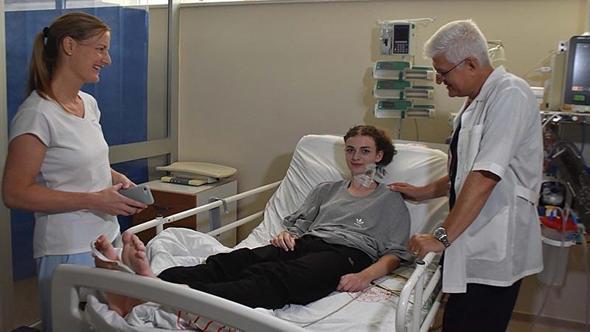
Emma’s mother, Nina Morton, a public health worker in the UK, expressed her deep gratitude to the Turkish medical teams.
“We came here for a one-week holiday, and everything changed in a single night,” she said. “Emma had gone downstairs for a bottle of water. Minutes later, people told us she had collapsed. We were terrified. It was shocking and emotionally overwhelming. But the care we received here was nothing short of amazing.”
Nina described how Emma was transported from one facility to another before finally reaching İzmir, where the medical staff quickly stabilized her and began the life-saving treatment.
“We felt completely supported,” she continued. “The doctors, nurses, and everyone we encountered were incredibly kind, professional, and attentive. We are forever grateful.”
A Rare but Life-Saving Intervention
Therapeutic hypothermia is not widely used, especially in pediatric cases, due to the complexity of managing its timing and potential side effects. However, when administered properly and promptly, it can dramatically improve survival rates and neurological outcomes in cardiac arrest patients.
Emma’s case underscores the importance of:
Early CPR by trained bystanders,
Rapid intervention by EMS teams,
Quick decision-making by physicians,
Availability of advanced ICU care.
With Türkiye continuing to develop its emergency and intensive care capabilities, Emma’s story serves as a powerful reminder of how international patients can receive world-class medical treatment even while abroad.
Looking Ahead
Emma is expected to be discharged soon and return to the UK, where she will undergo additional cardiac and neurological evaluations. Turkish doctors will provide a detailed medical report to assist her UK healthcare providers in further investigations.
As for the Morton family, the incident has left them with a new appreciation for life—and for the healthcare system in Türkiye.
“We came here for a vacation, and we’re leaving with our daughter’s life saved,” said Nina Morton. “We’ll never forget the people here who helped us through the most difficult time of our lives.”