
Meeting with members of the press in İzmir, Mehmet Eroğlu, General Manager of Yeniköy Kemerköy Enerji, addressed one of the most pressing vulnerabilities of the Turkish economy: energy import dependency. Highlighting the financial and strategic strain caused by this reliance, Eroğlu emphasized that the long-term solution lies in local energy production, particularly from domestic coal sources.
“In 2024 alone, Türkiye recorded a $49 billion foreign trade deficit due to imported energy. Even though only 14% of electricity came from domestic coal plants, the use of these resources helped reduce natural gas imports by 9 billion cubic meters, saving approximately $3.5 billion,” said Eroğlu.
His remarks come at a critical juncture for Türkiye’s energy policy as Europe grapples with energy security crises, and the global conversation increasingly balances energy independence with sustainability goals.
Not Just Energy, But National Security
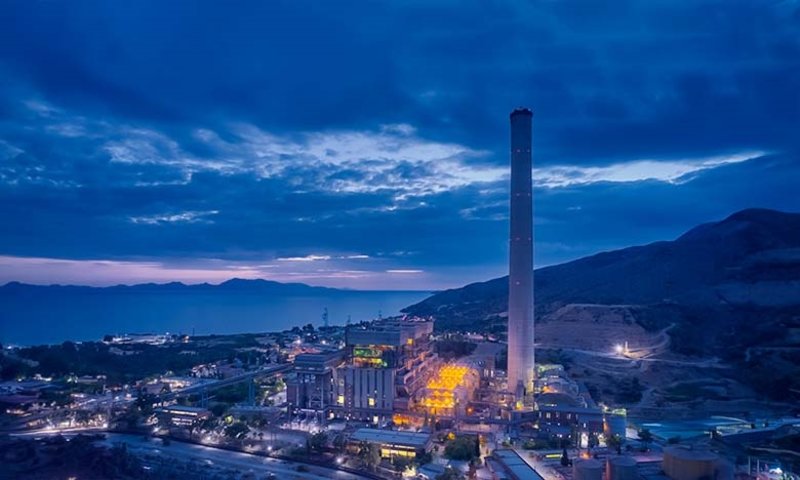
Eroğlu underlined that domestic coal and natural gas plants serve more than just an energy supply role—they also lay the foundation for national energy independence.
“Without local coal, Türkiye cannot bridge its energy deficit. These power plants are essential not just economically but also in terms of national security,” he explained.
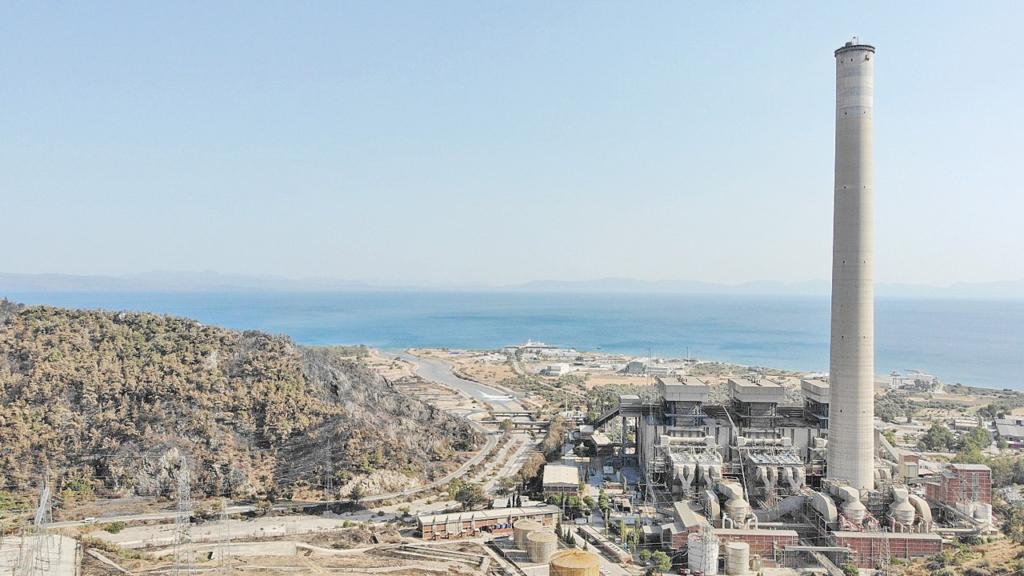
The company’s facilities in Milas, Muğla, play a central role in this strategy. The Yeniköy and Kemerköy power plants, which operate on national lignite, account for 2.22% of Türkiye’s total electricity supply and a remarkable 62% of South Aegean’s demand. Listed among the top 150 largest industrial enterprises in Türkiye, Yeniköy Kemerköy Enerji is one of the region’s most impactful players.
Local Production Offsets Import Burden
According to Eroğlu, 1.4 billion cubic meters of natural gas imports are avoided annually thanks to energy produced by Yeniköy Kemerköy plants. This reduction alone translates to a $550 million relief in Türkiye’s current account deficit.
As energy demand grows—especially during summer peaks—base-load power becomes essential. In the absence of wind or sunlight, these coal-fired power plants ensure stable electricity access.
“This is not just about keeping the lights on. It’s about maintaining energy security, economic stability, and national sovereignty,” said Eroğlu.
Creating Jobs and Supporting the Local Economy
Beyond energy, the plants provide significant socio-economic benefits:
3,000 direct jobs
An estimated 100,000-person ecosystem benefiting indirectly
Annual contribution of 2.5 billion TL to the local economy
“We’re not only producing electricity—we’re contributing to the lives of people in the region,” he said. “Our investments, social programs, and employment initiatives support the development of Muğla.”
A Landmark in Environmental Rehabilitation
Eroğlu proudly highlighted the implementation of one of Türkiye’s largest mine rehabilitation projects, titled “Hüsamlar Reimagined.” The project saw the ecological restoration of 576 hectares, including the planting of approximately 250,000 trees and native plants.
Monitoring by the Turkish Nature Conservation Association (TTKD) confirmed high success rates, with some zones reaching 96% vegetation establishment. Birds have returned to the reforested areas—an early indicator of ecosystem revival.
“For us, rehabilitation is not just planting trees—it means reviving soil, water, and wildlife,” said Eroğlu. “This project proves that responsible mining can coexist with nature.”
Protecting Olive Trees Through Science-Based Practices
Addressing a recent controversy over land use, Eroğlu clarified the implications of the July 19, 2025, legislation, which authorized limited land use adjustments for three power plants in Muğla. The law introduced strict conditions:
Scientific relocation of affected olive trees
Mandatory planting of double the number of trees that cannot be moved
These actions are governed by regulations from the General Directorate of Mining and Petroleum Affairs (MAPEG) under the Ministry of Energy and Natural Resources.
“This law doesn’t abandon olive trees—it protects them. We’re actively overseeing and implementing this safeguard,” Eroğlu stressed.
Balancing Production and Environment
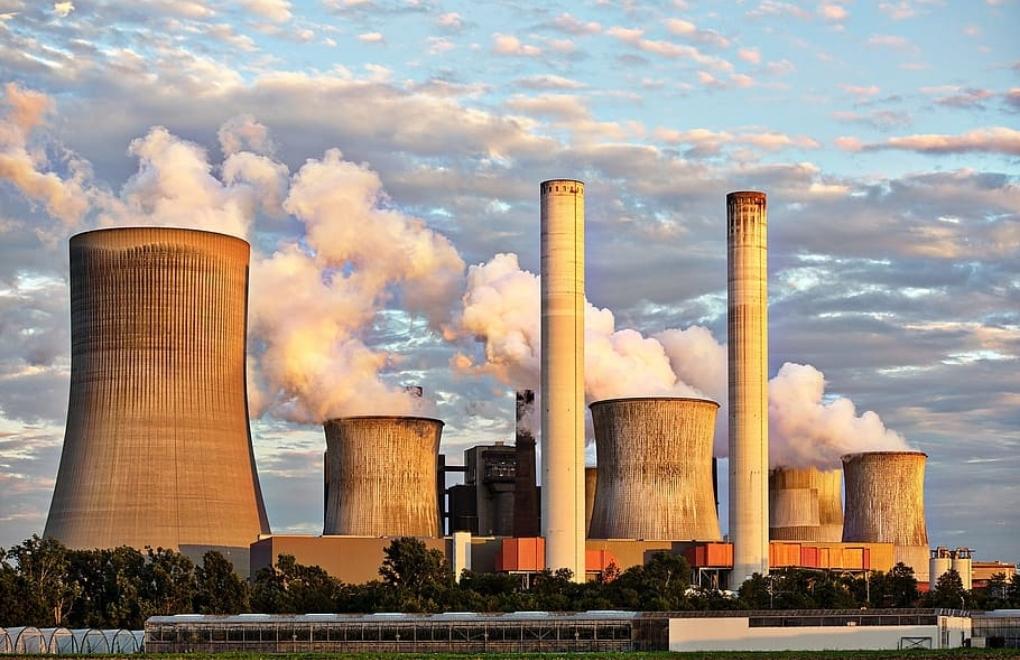
While coal often draws criticism in environmental debates, Eroğlu pointed out that when operated with clean technologies and responsible mining practices, local coal plants can be part of a sustainable energy strategy.
The company emphasizes:
Low-emission technologies
Water and air quality monitoring
Biodiversity protection in surrounding areas
Transparency through independent audits and reporting
These efforts are crucial not only for public trust, but also for ensuring Türkiye’s alignment with international environmental standards and potential green investment criteria.
Strategic Takeaways for Türkiye
Reducing Energy Imports: Using domestic resources like coal offsets billions in foreign energy costs.
Energy Security: Base-load power from coal plants ensures 24/7 electricity even when renewables are not active.
Local Economic Development: Energy production supports employment and regional development.
Sustainability Through Rehabilitation: Responsible mining and post-operation restoration can yield long-term ecological recovery.
Policy Synergy: Laws like the July 2025 legislation are examples of how energy development and environmental protection can be harmonized.
Editor’s Note
As Türkiye continues to navigate energy transformation, projects like those led by Yeniköy Kemerköy Enerji demonstrate how domestic resources, environmental responsibility, and social investment can coexist. The path forward will require smart regulation, clean technology, and inclusive dialogue—but Türkiye has already begun laying the foundation for a resilient, independent, and sustainable energy future.