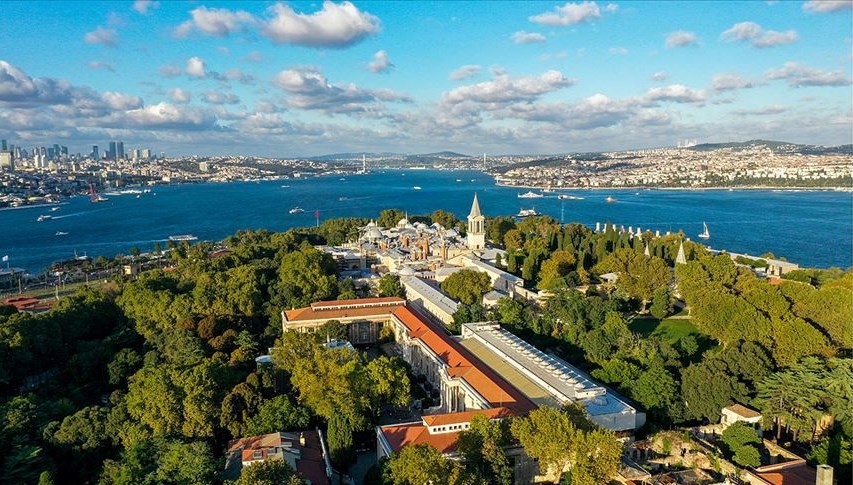

Türkiye experienced a sharp decline in rainfall this July, with figures showing a dramatic 71 percent decrease compared to the same month in 2024. According to the July 2025 Area Rainfall Report published by the General Directorate of Meteorology under the Ministry of Environment, Urbanization and Climate Change, rainfall levels were not only below last year’s measurements but also fell short of the long-term average.
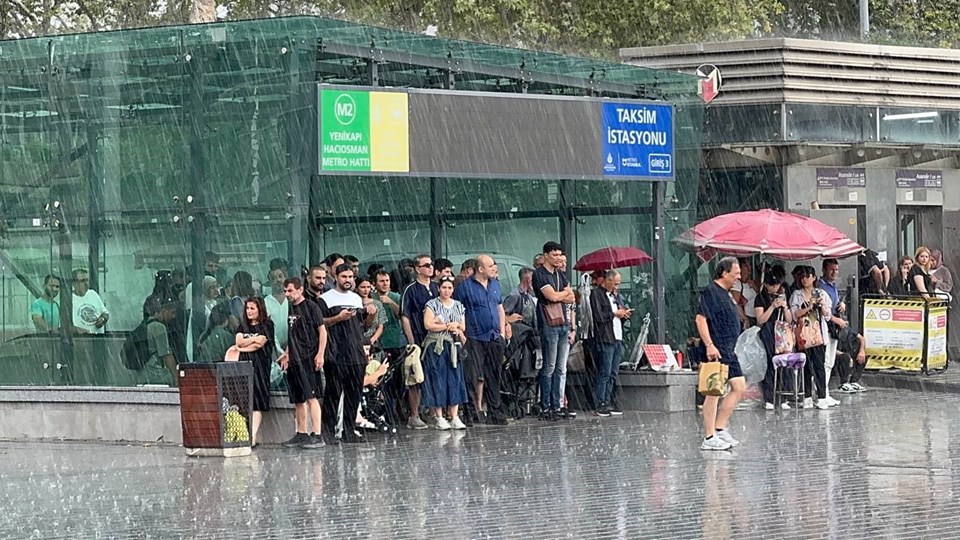
A Significant Decline Across the Country
Between 1991 and 2020, the long-term average rainfall for July was recorded at 15.6 kilograms per square meter. In July 2024, an unusually wet year for that month, the figure reached 32.7 kilograms per square meter. However, July 2025 saw a steep decline to just 9.6 kilograms per square meter. This represents a 39 percent drop compared to the long-term average and a staggering 71 percent drop compared to last year.
The report highlights that almost all regions in Türkiye received less rainfall than usual. The most severe decline occurred in the Marmara Region, where rainfall dropped by 95 percent compared to the norm. This made it the driest July in the Marmara Region in the last 65 years.
Regional Extremes – From Severe Drought to Rare Surges
While much of the country experienced below-normal precipitation, certain areas saw significant increases. Rainfall levels rose by over 40 percent in parts of Denizli, Burdur, Ankara, Samsun, Ordu, Gümüşhane, Erzincan, Tunceli, Bingöl, Adıyaman, and Kars. In Karaman, Mersin, and Tunceli, some locations recorded rainfall levels up to twice their usual July amount.
In contrast, vast areas such as the Aegean (excluding Uşak, Afyonkarahisar, and Denizli), Western Black Sea, Central Anatolia, the eastern parts of the Mediterranean, and southeastern provinces like Şanlıurfa, Mardin, Şırnak, Batman, Van, and Hakkari saw rainfall plummet by more than 80 percent compared to their averages.
Yalova experienced the most extreme case of all — it recorded no rainfall at all during the entire month, marking a 100 percent decrease from the norm.
City-Level Highlights
Istanbul saw only one day of rain throughout the month, contributing to its driest July in decades.
Rize registered the highest total rainfall, with 89 kilograms per square meter.
Several cities experienced their lowest July rainfall in many years, including:
Bartın, Bilecik, Bursa, Düzce, Istanbul, Kocaeli, Sakarya, Yalova, Zonguldak (lowest in 65 years)
Bolu (lowest in 57 years)
İzmir (lowest in 39 years)
Balıkesir, Çanakkale, Karabük, Kastamonu (lowest in 18 years)

Fewer Rainy Days Than Normal
The long-term average number of rainy days for July (1991–2020) is 3.2 days. In July 2025, this figure fell to 2.8 days across Türkiye. Some provinces, particularly in the western and southeastern regions — including Istanbul, Sakarya, Bursa, Bilecik, Çanakkale, Balıkesir, Manisa, İzmir, Aydın, Muğla, Şanlıurfa, Mardin, and Şırnak — had only one day of measurable rain.
On the other hand, the northeastern provinces of Trabzon, Rize, Bayburt, Erzurum, Artvin, Ardahan, Kars, and Iğdır saw between 10 and 15 rainy days, showing that regional climate contrasts remain strong even during a nationwide dry spell.
Environmental and Agricultural Concerns
This significant drop in rainfall has raised concerns among environmental experts, particularly regarding its impact on agriculture, water resources, and wildfire risks. Reduced precipitation in already arid provinces could strain irrigation systems and water supplies, while drier forests and grasslands increase the likelihood of summer wildfires.
Meteorologists warn that such irregularities could become more common as climate change alters precipitation patterns. This includes not only prolonged droughts but also localized heavy rainfall events, which can trigger flash floods.
Potential Long-Term Implications
Experts point out that prolonged droughts can affect crop yields, particularly in regions dependent on seasonal rains for agriculture. A decline of over 70 percent in rainfall during a critical summer month could have ripple effects on Türkiye’s food production, rural economies, and overall water security.
Local administrations in drought-prone areas are already being urged to adopt water-saving measures, invest in modern irrigation technologies, and expand drought-resistant crop cultivation.
What Lies Ahead
The General Directorate of Meteorology will continue monitoring precipitation trends closely. Early forecasts for late summer and autumn will be critical in assessing whether the current drought conditions will persist or if rainfall will rebound.
In the meantime, the July 2025 figures stand as a stark reminder of the growing challenges posed by climate variability in Türkiye. From Yalova’s completely dry month to Rize’s comparatively wetter conditions, the data illustrates the country’s wide climate diversity — and the urgent need for adaptive strategies to protect both ecosystems and livelihoods.