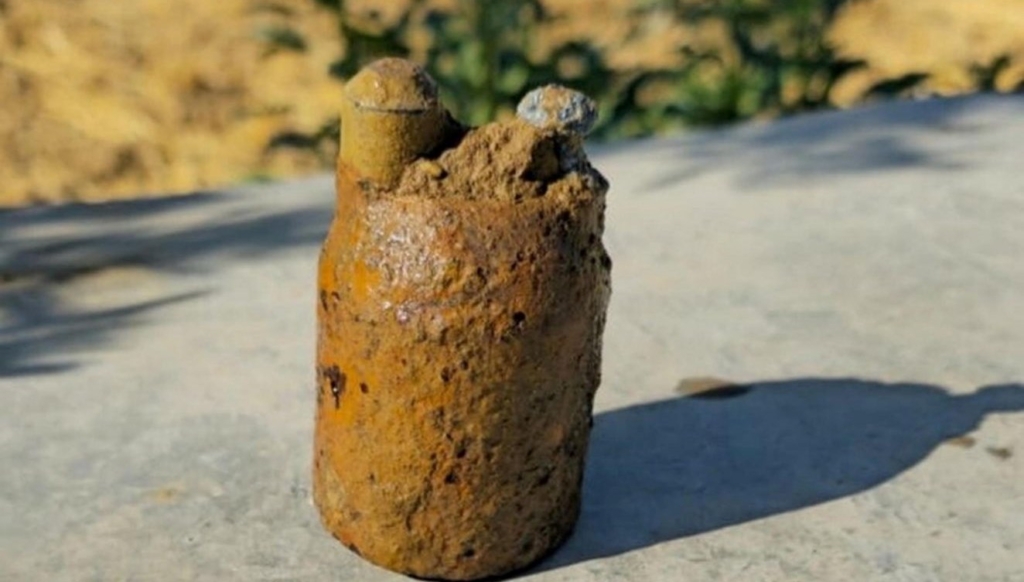

In a surprising discovery that echoes Türkiye’s historic past, an unexploded artillery shell believed to date back to the Turkish War of Independence was found in the Salihli district of Manisa. The shell was discovered by a local farmer, Kemal Yıldız, while irrigating his olive grove near the train tracks — an area with strong historical associations with past military activity.
Authorities responded swiftly to the report, ensuring public safety and confirming that the munition was neutralized without incident.
A Quiet Day Turned Into a Scene from History
Kemal Yıldız had set out to water his olive trees on what began as an ordinary day. As he moved along the edge of his property near the railway tracks, he spotted a rusted cylindrical object partially buried in the soil. What initially looked like scrap metal quickly revealed itself to be something far more dangerous — a corroded but intact artillery shell.
Realizing the potential danger, Yıldız did not touch the object. Instead, he immediately contacted the 112 Emergency Call Center, describing the shell’s location and appearance.
Police and Bomb Squad Respond Immediately
Following the alert, Salihli District Police Department dispatched officers to the scene to establish a security perimeter. The area was cordoned off to prevent accidental contact by passersby or farm workers in the vicinity.
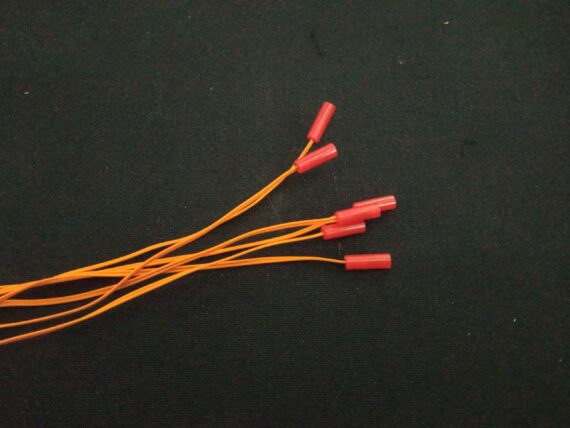
Soon after, a specialized bomb disposal unit from the Manisa Provincial Police Department arrived to assess the situation. The team determined that the shell posed a potential risk and conducted a controlled detonation using a blasting cap to safely neutralize the ordnance.
Eyewitnesses reported a brief but loud explosion as the bomb squad successfully destroyed the aged shell without injury or damage to nearby property.
A Glimpse into Türkiye’s Wartime History
Experts believe the artillery shell likely dates back to the early 1920s, during the final years of the Turkish War of Independence. Salihli and the wider Manisa region witnessed several key moments of military engagement during the conflict, particularly as the Greek army advanced inland before being pushed back by Turkish nationalist forces.
Remnants of this turbulent period still occasionally surface, especially in rural areas that once served as battlegrounds or supply routes. Old trenches, rusted weapons, and in rare cases, unexploded munitions continue to be unearthed, reminding residents of the region’s historical significance.
The Ongoing Risks of Historical Ordnance
While dramatic, this incident is not entirely unprecedented in Türkiye. Regions with rich military histories — including Çanakkale, Sakarya, Afyon, and parts of Manisa — sometimes yield remnants of past wars. Over time, many of these items have been safely removed or placed in museums, but those buried deep in soil often go unnoticed for decades.
In dry agricultural areas, particularly during irrigation, digging, or construction, these historical munitions may be unintentionally disturbed. Although decades old, some unexploded ordnance (UXO) can remain volatile, posing a threat to life and property.
Authorities emphasize the importance of public awareness in such scenarios. “Do not attempt to move or inspect suspicious metal objects,” warned a spokesperson for the bomb squad. “Your first action should always be to notify emergency services.”
A Farmer’s Quick Thinking Praised
Kemal Yıldız’s calm and responsible actions were commended by local officials. His quick decision to report the object and keep others away from the area likely prevented a dangerous situation.
“I thought it looked unusual and dangerous. I didn’t want to take any chances,” said Yıldız after the incident. “I’m glad the professionals took care of it. It’s not something we expect to find in an olive grove, but we must always be careful.”
Local residents echoed his sentiments, praising both his caution and the rapid response by authorities.
Preserving Safety in Historically Sensitive Areas
The Manisa Governor’s Office released a brief statement confirming that the operation was successful and that the community was not at risk at any point. They also reiterated that anyone who comes across suspicious metallic objects — particularly in rural or undeveloped lands — should avoid physical contact and notify the 112 Emergency Line immediately.
Local historians have suggested that a broader effort to survey and map areas with a higher likelihood of containing historical munitions may be beneficial. Such mapping could help inform farmers, construction crews, and local officials on areas requiring extra caution.
From Olive Groves to Battlefields and Back
Olive trees, a symbol of peace and sustenance, are a common sight in the Manisa region. Yet their silent growth over decades has occurred over soil that once bore witness to the clash of armies and the struggle for national sovereignty.
The contrast between a peaceful agricultural life and the deadly legacy buried beneath is not lost on local residents. For many, the discovery serves as a reminder of the sacrifices made during the country’s formation and the enduring connection between land, history, and identity.
The Legacy of War in Modern Türkiye
This incident is just one of many examples where Türkiye’s turbulent 20th-century history continues to leave a physical imprint on the present. The Turkish War of Independence, fought between 1919 and 1923, was a defining chapter that shaped the Republic’s future — but also left behind scars that remain both visible and hidden.
Today, while Türkiye moves forward with economic development, innovation, and diplomacy, reminders of its past — such as an unexploded shell in a farmer’s field — demand both respect and caution.
Raising Awareness and Strengthening Response
As climate change and urban expansion lead to deeper excavations and land use changes, the frequency of similar discoveries may rise. Experts call for greater public education efforts, especially in regions known for wartime activity.
Schools, community centers, and agricultural cooperatives could play a key role in raising awareness about the risks of unexploded ordnance. Informational campaigns, signage in rural areas, and inclusion in local emergency preparedness plans may help reduce future risks.
A Peaceful Ending to a Potential Danger
Thanks to the responsible behavior of a local citizen and the rapid response by Türkiye’s law enforcement and bomb disposal experts, a potentially tragic incident was avoided. The controlled destruction of the shell brought a safe end to what could have been a disaster — and reminded the community of both the resilience and fragility of peace.
As Manisa continues to grow and modernize, its citizens carry the dual responsibility of honoring the past while ensuring the safety of the future. Stories like this one reflect not only the weight of history but the vigilance needed to navigate it safely.