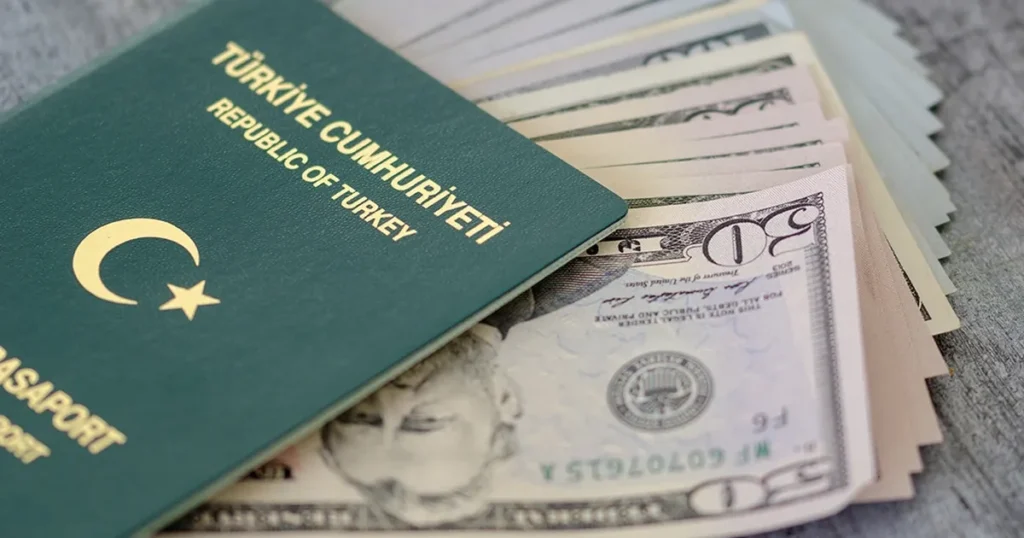

In a newly published Presidential Decree appearing in today’s edition of the Official Gazette, Türkiye has introduced significant amendments to its longstanding policy regarding green passports (hususi damgalı pasaportlar) for exporters. The new regulation, which modifies Article 10 of the “Decision on the Principles of Granting Special Passports to Exporters,” now imposes a zero-tolerance policy on late passport returns and includes harsher penalties for violations.
This reform targets firm representatives who no longer meet the eligibility requirements for holding a green passport, a privilege that has historically enabled faster visa-free travel for business purposes. The key changes reflect the government’s effort to tighten control and ensure the integrity of the special passport system.
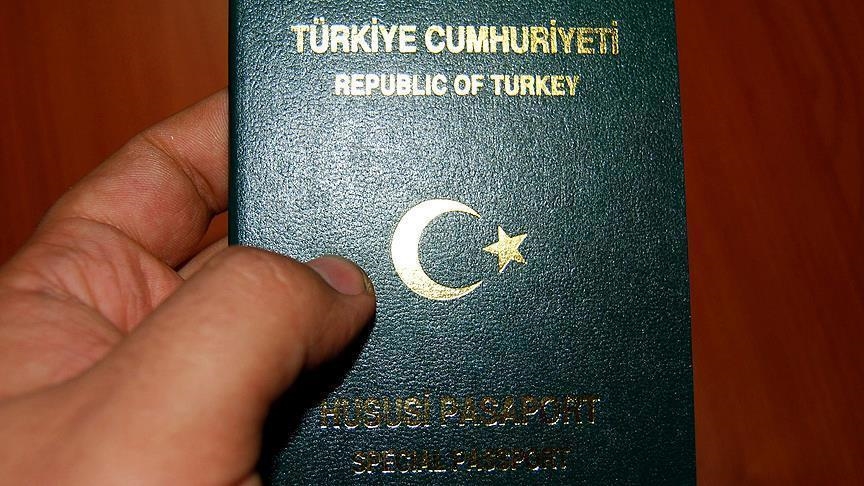
Return of Green Passports Now Mandatory “Immediately”
The most striking change is the replacement of the previous 15-day grace period with a requirement for immediate return of the passport. Under the revised language, any loss of eligibility—such as a drop in export volume or change in company status—must be followed by the instantaneous surrender of the special passport by the company official.
This move signals a hardline stance against delays or misuse. By eliminating the buffer period, the regulation aims to prevent situations where former passport holders continue to use diplomatic-style privileges despite no longer qualifying for them.
Violation Will Trigger a 4-Year Ban
The decree goes further than simple policy tightening. It introduces collective accountability and expands the scope of punishment for violations. If a company official fails to return the passport or is found to have breached any of the criteria for green passport ownership—especially if convicted under paragraphs 4 or 7 of Article 14(a) of the Passport Law No. 5682—the repercussions are significant.
In such cases:
The violating official is immediately banned from obtaining a special passport.
All other officials from the same company are also prohibited from receiving a green passport for a period of four years.
This collective sanction ensures that firms place internal pressure and oversight mechanisms on their staff to comply with passport regulations. It’s no longer a matter of personal responsibility—it’s a corporate liability.
What Is a Green Passport and Why It Matters
The hususi damgalı (green) passport is a type of special Turkish passport granted to select individuals, including civil servants, high-ranking professionals, and approved businesspeople—particularly exporters.
Its benefits include:
Visa-free travel to more than 150 countries, including parts of the EU
Expedited processing at international borders
Symbolic and practical recognition of the passport holder’s economic contribution to the state
Exporters who meet certain criteria—typically based on annual export volume—are granted this passport to facilitate global trade, build partnerships, and attend international fairs and meetings with minimal bureaucratic delay.

Why the Regulation Was Changed
The government’s decision likely stems from:
Increased misuse or abuse of the green passport privileges by individuals or firms no longer eligible
Concerns over international perception and border control compliance, especially as some passport holders have allegedly misrepresented their status abroad
A broader campaign to clean up privilege systems and ensure that state-backed incentives are only granted to truly qualified individuals
This move also aligns with the administration’s efforts to modernize export policy, improve regulatory oversight, and elevate accountability in the private sector.
Impact on Exporters and Business Travel
While the new regulation may cause discomfort for some, particularly those accustomed to the leniency of the 15-day return window, it also reinforces the value and exclusivity of the green passport. Exporters who diligently comply with rules will continue to enjoy international mobility. However, non-compliance now comes with higher stakes—not just for individuals, but entire firms.
Export associations and chambers of commerce are likely to issue new guidelines and provide compliance briefings to their members in the coming weeks. Legal departments within exporting companies are also expected to review internal processes to avoid accidental or deliberate violations.
Corporate Compliance Becomes Critical
Under the new policy, businesses must now treat green passport eligibility as a monitored asset. This means:
Keeping detailed records of employees who hold green passports
Notifying authorities immediately upon any change in employment status or eligibility
Establishing internal return protocols to comply with the “immediate surrender” rule
Educating staff on criminal penalties associated with misuse or delay
Failure to implement such internal controls could cost a company four years of limited international mobility—a serious setback for exporters navigating a highly competitive global marketplace.
Legal Reference: Passport Law No. 5682, Article 14
The decree explicitly refers to Article 14(a), paragraphs 4 and 7 of Passport Law No. 5682. These provisions address crimes such as:
Providing false information during the application process
Using the passport for non-permitted activities, such as extended stays unrelated to trade
Letting others use the passport or impersonating someone else with it
Convictions under these paragraphs serve as grounds for severe administrative sanctions, and now, under the updated rule, will directly result in revocation of privileges for the entire management tier of the associated company.
A Warning and a Message
This regulation is more than a procedural update—it’s a clear message to the business community: special status comes with special responsibility. The government is signaling that the green passport system is not to be taken lightly, and any attempt to bypass, delay, or exploit the rules will be met with swift and far-reaching consequences.
For exporters who rely on global access to drive Türkiye’s trade growth, compliance is no longer optional—it’s urgent and essential.