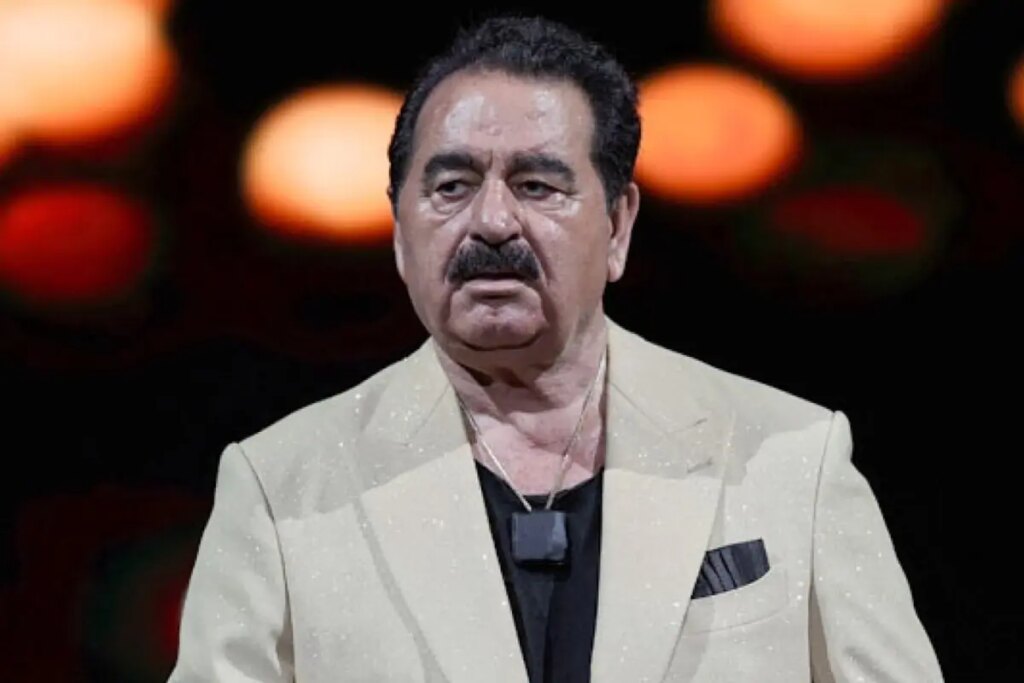

One of Türkiye’s most celebrated and charismatic artists, İbrahim Tatlıses, often dubbed the “İmparator” (Emperor) of Turkish music, is once again making headlines—this time, not for his songs or television appearances, but for renewed discussions around his ethnic origins.
Tatlıses, who was born in 1952 in Şanlıurfa, southeastern Türkiye, has long been a unifying figure across cultural and political lines. However, recent resurfacing of his past interviews and public statements about his background are reigniting public interest and challenging widely held assumptions about his identity.
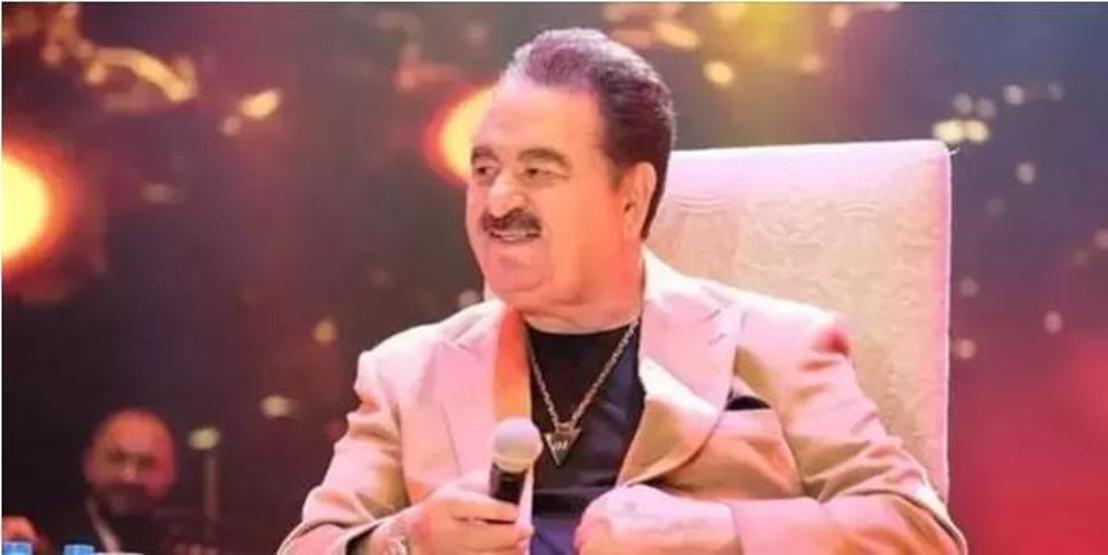
A Childhood Shaped by Struggle
Born into a family of seven children, İbrahim Tatlıses experienced hardship from the very beginning. His father, Ahmet Tatlı, was in prison at the time of his birth. Raised in poverty, he had no formal education—a point he highlighted years later in an interview where he famously quipped:
“It’s not like there was an Oxford in Urfa and I didn’t go. There was no school for us.”
From an early age, he worked to support his family—selling water on the streets and later becoming a metalworker at construction sites. But it was during these tough years that his voice became his most valuable asset.
From Laborer to Legend
Tatlıses’ life changed when he was discovered by a film producer in Adana, who heard him sing at a local venue. He soon found himself performing regularly in Adana, and later in Ankara, singing in nightclubs and pavyons (traditional entertainment venues).
The turning point in his career came in 1974, when he sang “Ayağında Kundura” at the iconic Kınalı Pavyon in Ankara. The performance caught the attention of radio producers, landing him a spot on Ankara Radio, followed by his first national TV appearance on New Year’s Eve.
Tatlıses quickly became a household name. After relocating to Istanbul, he began working with musician Yılmaz Tatlıses, from whom he adopted the now-famous surname—completing his transformation from an anonymous laborer to a superstar of Turkish arabesque and folk music.
A Fluid Ethnic Identity
Over the decades, Tatlıses has made varying statements regarding his ethnic background, reflecting both the diverse cultural fabric of Türkiye and the delicate political landscape surrounding identity.
In one notable TV appearance on Kanal D, he stated:
“My father is Arab, my mother is Kurdish, and I am Turkish.”
Yet during a 2005 concert in Erbil, located in Iraqi Kurdistan, he told the audience:
“My father is Turkish, my mother is Kurdish. I’m a Turk through and through. I bring you greetings from Türkiye.”
These seemingly contradictory declarations have sparked curiosity and even criticism over the years. However, they also point to a broader truth about Tatlıses: he belongs to everyone.
By straddling identities—Kurdish, Arab, and Turkish—Tatlıses has transcended ethnic divisions to become a national icon. His music, persona, and charisma resonate with fans across the social and cultural spectrum.

A Voice That United a Nation
Tatlıses’ enduring popularity stems not only from his remarkable voice and showmanship but also from his perceived authenticity. He is seen as someone who, despite reaching stardom, never forgot his roots in Şanlıurfa’s working-class neighborhoods.
His musical style—an evocative blend of arabesque, folk, and traditional Kurdish and Arabic influences—is itself a reflection of his multicultural background. Whether singing of heartbreak, longing, or joy, his songs speak a universal language that cuts across societal lines.
Legacy Beyond Music
Throughout his career, Tatlıses has also been a prominent figure in Turkish media and business. From owning restaurants to hosting prime-time television programs, he has remained in the spotlight even through personal and political challenges—including surviving a 2011 assassination attempt that left him severely injured.
Despite these trials, his influence has never waned. Today, İbrahim Tatlıses continues to be a symbol of resilience, talent, and cultural fusion—a rare artist whose identity, like his music, defies simplification.
The Man of Many Roots
In a country as ethnically and culturally diverse as Türkiye, the story of İbrahim Tatlıses offers a powerful message: identity can be layered, fluid, and unifying.
Whether Arab, Kurdish, Turkish, or all of the above, Tatlıses embodies a Türkiye where multiple heritages coexist—and where talent, not background, defines greatness.