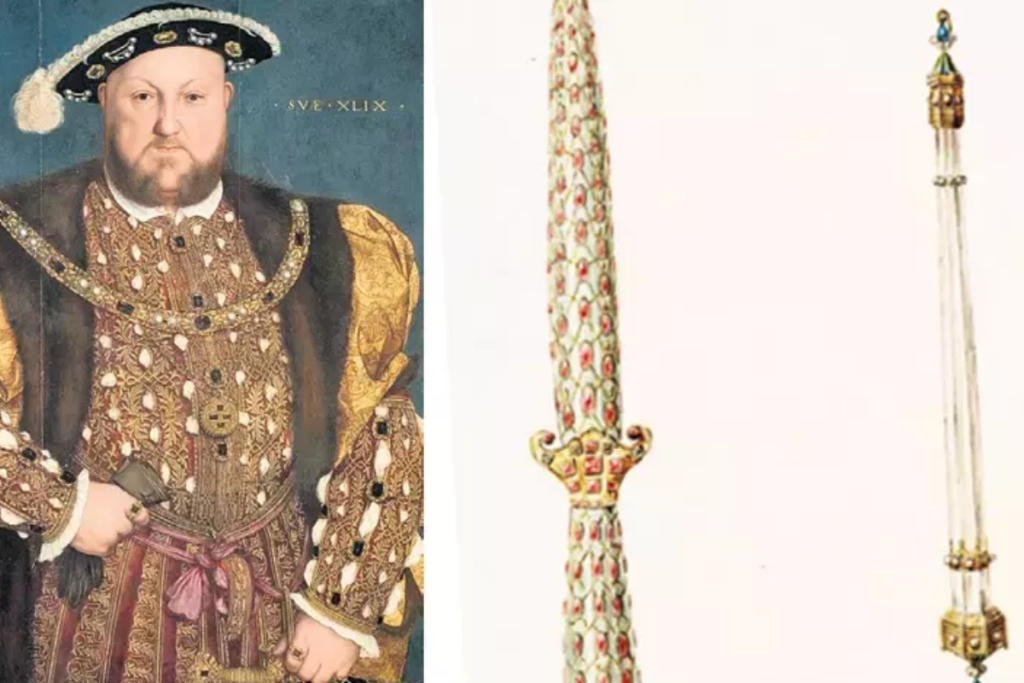

A dazzling piece of historical intrigue is set to capture public imagination in London as a famed jeweled dagger—long believed to have belonged to England’s King Henry VIII—takes center stage in a new exhibition at Strawberry Hill House. The show, titled “The Lost Dagger of Henry VIII: From the Tudor Court to the Victorian Stage”, traces the object’s extraordinary journey from 16th-century Ottoman craftsmanship to English royal collections, and eventually to the world of Victorian-era theatre.
Although the original dagger remains missing, the exhibit will feature two similar Ottoman-made daggers from the same period, offering visitors a rare glimpse into the opulent material culture that connected two great empires: the Ottomans and the Tudors.
A Dagger of Diplomatic and Artistic Significance
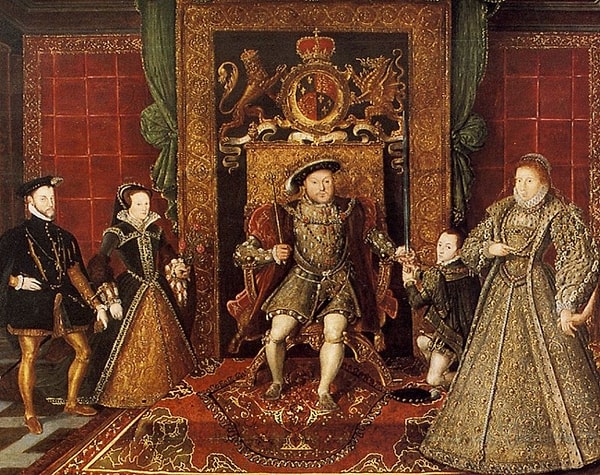
The dagger, originally crafted in the Ottoman Empire, is believed to have been a gift or acquired treasure, symbolizing not only power and prestige but also the cultural and diplomatic intersections of the early modern world. Its association with Henry VIII (1491–1547), though not definitively proven, has persisted in English lore and aristocratic records, making it a mysterious artifact of international resonance.
According to curators, the dagger—laden with jewels and intricate motifs—represents the fusion of Islamic artistry and European fascination with the East. Its presumed arrival in Tudor England could have occurred through trade networks, diplomatic exchanges, or elite collectors drawn to the exotic aesthetics of Ottoman weaponry.
Strawberry Hill House as the Perfect Stage
Strawberry Hill House, the former Gothic Revival residence of author and collector Horace Walpole, serves as a fitting venue for the exhibit. The house itself has a storied connection to theatrical displays of history and objects of legend.
Visitors to the exhibition will not only view the two Ottoman daggers but also explore archival materials, artworks, and stage props from the Victorian era, when the lost dagger allegedly made a theatrical reappearance, repurposed as a dramatic symbol in romanticized plays about courtly betrayal and royal drama.
From Imperial Arsenal to Stage Prop
One of the exhibition’s central themes is the evolution of historical artifacts as cultural symbols, tracing how the original dagger—whether real or imagined—moved from the halls of power to the hands of actors. This transformation underscores the layered identities that objects accumulate over time, shaped by shifting narratives and the ambitions of their custodians.
The curatorial team explains:
“The dagger’s story reflects how objects can transcend their original purpose, becoming mythologized through history, theatre, and storytelling. Even in its absence, the dagger continues to inspire art, research, and debate.”
Reviving Ottoman Influence in British Collections
While much of the British public is familiar with European armor and Renaissance art, the inclusion of Ottoman artifacts in this exhibition aims to broaden perspectives. The featured daggers—on loan from private collections and museums—showcase the technical mastery of Ottoman bladesmiths, including ornate metalwork, gemstone inlays, and calligraphic embellishments.
Historians hope the exhibit will help reframe conversations around cross-cultural exchange, highlighting how Eastern luxury goods captivated Western courts and collectors.
Interactive Storytelling and Virtual Access
In addition to physical displays, the exhibition incorporates interactive digital elements, including a virtual reconstruction of what the original dagger may have looked like, based on historical descriptions and illustrations. Visitors can also explore an immersive timeline, mapping the dagger’s speculated path from an Ottoman workshop to England’s royal chambers.
Educational programming, including lectures on Ottoman art, Tudor diplomacy, and Victorian theatre, will complement the exhibit, aiming to engage students, scholars, and history enthusiasts.
Public Fascination With Lost Treasures
The concept of a “lost” object—especially one linked to a notorious monarch like Henry VIII—continues to fascinate both academics and the general public. The dagger joins a long list of legendary items whose stories live on even without the original artifact in hand.
By blending factual history with informed speculation, the exhibition encourages visitors to reflect on how objects are interpreted, memorialized, and sometimes mythologized to serve cultural and political narratives.
A Bridge Between Empires and Eras
Ultimately, The Lost Dagger of Henry VIII is more than a historical exhibit—it is a narrative bridge connecting the Ottoman Empire, the Tudor dynasty, and the Victorian imagination. It invites audiences to consider the global journeys of objects and the layered meanings they acquire through time, conflict, and cultural fascination.
The exhibition opens this fall at Strawberry Hill House and runs through early 2026. Visitors are advised to book in advance due to high expected demand.