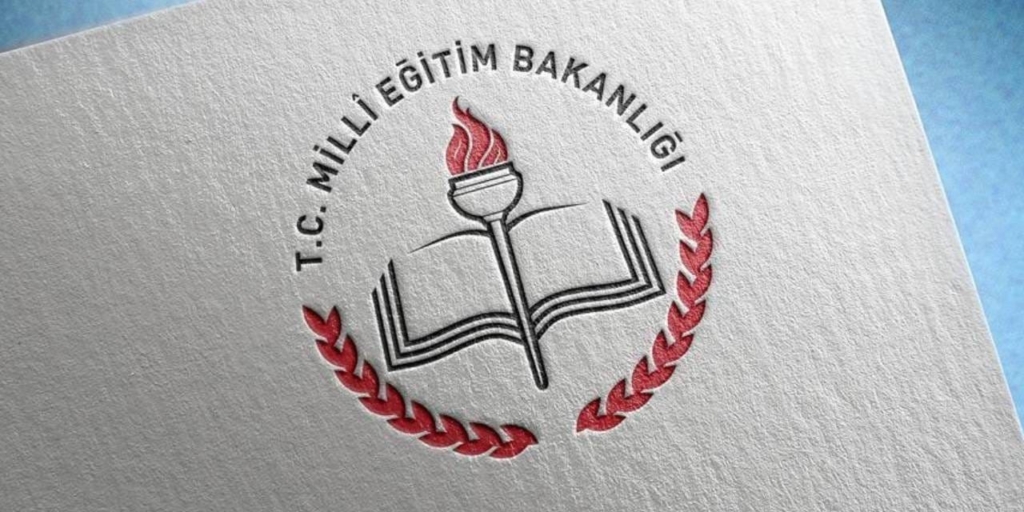

In a sweeping move to uphold the integrity of its educational standards, Türkiye’s Ministry of National Education has revoked the licenses of 21 private schools following a series of nationwide inspections. These closures come as part of a broader initiative to ensure all educational institutions comply with the Private Education Institutions Law and relevant regulatory frameworks.

Widespread Irregularities Uncovered in Routine Inspections
The Ministry’s recent inspections uncovered a range of violations across several private schools. Among the most pressing issues were unregistered “ghost” student enrollments, consistent failures to track student attendance, the unauthorized use of unapproved textbooks, and the collection of tuition fees not aligned with legal regulations.
Additional breaches included schools operating under names different from those listed in their official licenses, the implementation of unapproved curricula, and the unauthorized use of foreign country or nation names in school signage, advertisements, or marketing campaigns.
Officials emphasized that these actions represent serious breaches of educational standards and institutional accountability. The goal of the inspection campaign, according to ministry representatives, is not only to identify violations but also to restore public trust in the private education sector by enforcing transparency and legal conformity.
Legal Grounds and Administrative Action
The Ministry acted in accordance with the relevant articles of Türkiye’s Private Education Institutions Law. After conducting detailed investigations, administrative procedures were initiated against institutions found to be in breach of the regulations.
The ministry reaffirmed its zero-tolerance stance by announcing that nine more private schools had been added to the list of previously sanctioned institutions, raising the total number of license revocations to 21.
In an official statement, ministry representatives declared:
“As a result of inspections carried out on private educational institutions, we have identified regulatory violations in 21 schools. Their operating licenses have been revoked to maintain the integrity of our educational system.”
Context and Broader Implications for the Private Education Sector
The revocation of licenses signals a sharp message to private educational operators: regulatory compliance is not optional. With a growing number of families opting for private education due to perceived advantages in quality and specialization, the need for strong oversight has become even more critical.
The private education sector in Türkiye has expanded significantly over the past decade. From urban centers to more rural provinces, private institutions now play a substantial role in educating students across a variety of curricula. However, this rapid growth has also led to gaps in oversight and inconsistencies in quality assurance.
Experts in education policy note that such crackdowns are necessary for the sustainable growth of private schooling. If left unchecked, issues like false enrollment records or unapproved curricula could undermine both the academic progress of students and the credibility of the system itself.
Ghost Students and Unauthorized Programs: A Growing Concern
Among the most troubling findings of the inspections was the documentation of “ghost students”—students enrolled on paper but absent in reality. This manipulation of enrollment numbers could be tied to illicit financial benefits, such as inflated government subsidies or misleading performance statistics presented to parents.
Moreover, the use of unapproved textbooks and curricula not sanctioned by the Ministry raises concerns about the quality and consistency of education being delivered. Unauthorized educational content could not only fail to meet national standards but also expose students to outdated or biased materials.
These practices not only violate legal frameworks but may also jeopardize students’ academic development and future educational prospects.

Cultural and Linguistic Integrity in School Branding
The Ministry also took issue with the use of foreign country or ethnic group names in school advertising and branding. While seemingly benign, such naming conventions can create confusion about the institution’s identity and affiliations. In some cases, it can also falsely imply accreditation or educational partnerships that do not exist.
The use of culturally inappropriate or misleading names is now under heightened scrutiny, and institutions employing such tactics may find themselves subject to disciplinary actions or outright closures if they fail to amend their practices.
Response from the Education Community
Reactions from educators and parent groups have been mixed. While many applaud the Ministry’s commitment to regulatory enforcement, some have voiced concerns about the potential disruption to students currently enrolled in the affected institutions.
Parents of students attending the 21 closed schools now face urgent decisions regarding their children’s educational futures. The Ministry has stated that it is working to ensure the smooth transition of these students into compliant institutions, with minimal disruption to their academic year.
Educators, meanwhile, are calling for increased communication between regulatory bodies and private school operators. Many believe that stronger partnerships and guidance could prevent such widespread noncompliance in the future.
The Road Ahead: A Call for Stronger Standards and Transparency
As the private education sector continues to grow in Türkiye, the recent actions by the Ministry of National Education could serve as a turning point. With renewed focus on accountability, institutions will likely face more rigorous inspections and be required to maintain more comprehensive records to demonstrate compliance.
Furthermore, there is a growing call for the creation of standardized accreditation mechanisms, whereby private schools must periodically undergo quality assessments to maintain their operating licenses. Transparency in fee structures, curriculum design, and faculty qualifications are likely to become key benchmarks for continued operation.
Strengthening Trust Through Responsible Governance
Ultimately, the revocation of 21 school licenses is not just an administrative move—it represents a broader effort to reinforce trust in Türkiye’s educational institutions. By holding private schools accountable to the same standards as public ones, the Ministry aims to ensure that all students—regardless of where they study—receive a quality, lawful, and culturally appropriate education.
This latest action may also pave the way for deeper reforms in the private education system, including clearer legal definitions, digital tracking of attendance, and stronger parent-teacher-school communication mechanisms.
In doing so, Türkiye affirms its commitment to educational integrity and places student well-being at the heart of its policy framework.