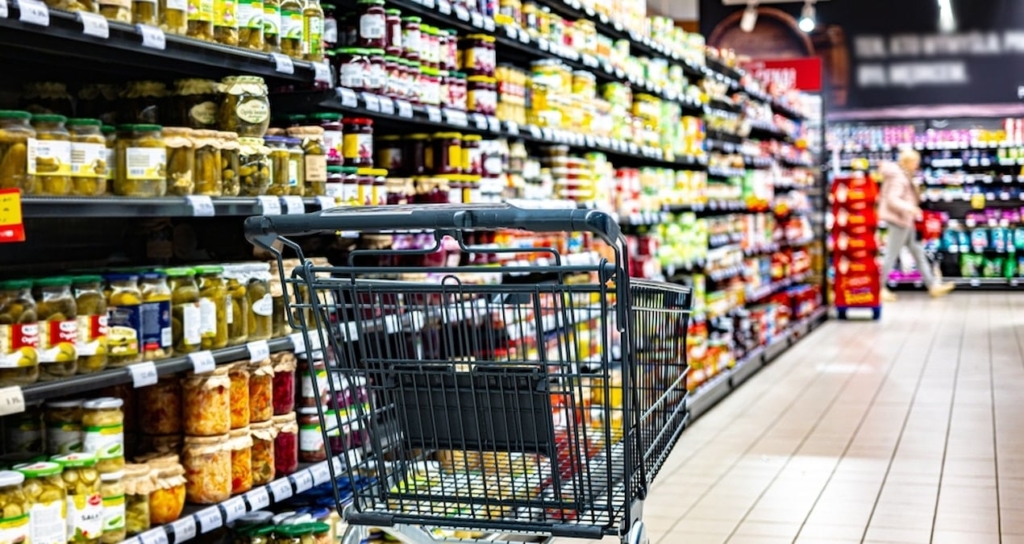

A major food safety controversy has erupted across the Netherlands and Belgium, involving the popular supermarket chain Jumbo. The company has issued an urgent product recall for one of its ready-to-eat meals: the “Lebanese-Style Falafel.” Marketed specifically for vegan and vegetarian consumers, the product shockingly tested positive for pork content—an ingredient that not only contradicts dietary expectations but also undermines religious and ethical principles for many.
In addition to the presence of animal-derived content, the product was found to contain undeclared soy allergens. This poses a severe health risk, particularly for individuals with soy allergies, who rely on accurate labeling for their safety.
The revelation has triggered outrage among consumers and advocates for food transparency, raising critical questions about quality control, supply chain integrity, and consumer trust.
What Happened: A Closer Look at the Recall
Jumbo’s “Lebanese-Style Falafel” was intended to be a meat-free, allergen-safe alternative that could be enjoyed by vegans, vegetarians, and health-conscious shoppers. However, routine laboratory testing conducted by food safety authorities detected both pork-derived ingredients and undeclared soy proteins in the final product.
This finding is especially disturbing given the product’s target audience. Vegan and vegetarian customers, as well as individuals with food sensitivities, actively seek out products labeled as animal-free and allergen-safe. For such consumers, trust in labeling is not just a convenience but a necessity.
The recalled product has the following identification:
Product Name: Jumbo Lebanese-Style Falafel
EAN Code: 8718452868230
Expiration Date: 29-07-2025
Consumers who purchased the product are being asked to return it to any Jumbo location. A full refund will be provided, even without a receipt.
Jumbo’s Response: Apology and Assurance
In the wake of growing public concern, Jumbo issued an official statement expressing regret over the incident. The company stated:
“We are sincerely sorry for this recall and for any uncertainty it may have caused our customers. Consumer trust is our highest priority. We are taking every necessary measure to prevent this from happening again.”
The statement, while earnest, has done little to calm the storm of criticism from advocacy groups and affected shoppers. The scale of the error and the nature of the product—branded specifically for ethical consumption—have left many wondering how such a fundamental oversight could occur.
Why This Is a Serious Issue
This recall is not merely a labeling error. It strikes at the core of consumer rights and public safety. For Muslims and Jews who follow dietary restrictions forbidding pork, the presence of such an ingredient in a mislabeled product is more than a violation—it is deeply offensive.
For vegetarians and vegans, the consumption of meat—especially unknowingly—is an ethical breach that undermines personal values. Many choose these diets not only for health reasons but also for religious, environmental, or animal welfare considerations.
Moreover, undeclared allergens can be fatal. Soy allergy, though less common than nuts or dairy, can cause anaphylaxis in sensitive individuals. This is not a simple matter of regulatory compliance but one of public health and legal liability.
Supply Chain Breakdown or Labeling Fraud
Experts suggest that the incident likely stems from a failure in the supply chain. Whether it was due to contaminated ingredients, mislabeling at the manufacturing facility, or lack of oversight during product packaging remains under investigation. Regardless, it highlights a breakdown in the traceability mechanisms that are supposed to safeguard modern food production.
Food safety organizations are now calling for tighter controls, improved testing procedures, and more robust penalties for companies that fail to protect consumers. There are also increasing demands for real-time transparency, with QR code tracking and digital product histories that allow consumers to trace ingredients back to their origin.
The Consumer Impact and Cultural Sensitivity
This recall has had an especially strong impact in multicultural communities in the Netherlands and Belgium. Many shoppers from Middle Eastern, North African, and South Asian backgrounds rely on halal-certified or vegan-friendly products to maintain dietary compliance with religious beliefs. The “Lebanese-Style” branding itself gave consumers the impression of cultural and ethical alignment.
The betrayal of that trust is being felt not just on the level of food safety but as an affront to identity and respect. Social media channels have been flooded with angry posts from customers who feel misled and targeted.
Consumer rights groups have emphasized that this case illustrates the importance of cultural sensitivity and the dangers of careless marketing. Ethical branding must be backed by rigorous verification—not simply design choices and clever wording.
Regulatory Oversight and Future Reform
In response to the incident, Dutch and Belgian food safety authorities have launched a formal investigation into the production and labeling process behind the recalled falafel. Initial findings suggest lapses in both quality control and verification standards at the manufacturing level.
There is growing support for new regulations that would mandate:
Independent audits of vegan and allergen-free products
Mandatory allergen disclosure using uniform visual markers
Legal accountability for mislabeled ingredients
Real-time batch tracking systems for consumers
Retailers like Jumbo may soon be required to implement blockchain-based tracking for all store-brand food products to ensure ingredient integrity. While costly, such steps may be necessary to restore faith in the food supply chain.
The Broader Lesson for the Food Industry
This controversy serves as a cautionary tale for the global food industry. As consumers grow more conscious of what they eat, demands for transparency, ethics, and accountability are rising. Whether the consumer is avoiding pork for religious reasons, meat for ethical reasons, or soy for medical reasons, one common expectation remains: the right to truthful labeling.
Retailers and producers alike must recognize that trust, once broken, is not easily regained. Food safety is no longer just a matter of hygiene—it is about honesty, respect, and responsibility.
Moving Forward with Transparency and Accountability
Jumbo’s willingness to offer full refunds without receipts is a positive first step. However, meaningful change will only come through systemic reform. This includes clearer communication with consumers, investment in testing technologies, and stricter supply chain monitoring.
Meanwhile, consumers are encouraged to report any suspected product issues and to read ingredient labels carefully. Advocacy groups continue to call for stronger consumer protection laws, particularly for vulnerable populations with dietary restrictions or allergies.
As for Jumbo, the company now faces the challenge of regaining customer trust while ensuring such an incident is never repeated. In an era where food ethics are more important than ever, the public will be watching closely.