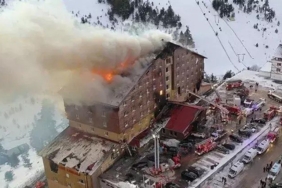

On August 10, Türkiye was shaken once again by a significant earthquake, this time centered in the Sındırgı district of Balıkesir. According to official statements, the quake registered a magnitude of 6.1 and was strong enough to be felt across at least ten provinces. Unfortunately, Balıkesir Metropolitan Municipality confirmed that one person lost their life in the aftermath, casting a shadow of sorrow over the region.
This latest seismic event has reignited discussions about earthquake preparedness and safety in Türkiye, a country that sits atop multiple active fault lines and experiences frequent tremors. Each new quake not only damages infrastructure but also leaves a lasting psychological impact on residents, fueling fear and uncertainty about when and where the next one might strike.
Epicenter and Immediate Impact
The quake struck in the early hours of August 10, with Sındırgı as the epicenter. Reports indicate that tremors were felt in surrounding cities, prompting thousands of residents to leave their homes in panic. People described the moment as a sudden, powerful jolt followed by seconds of intense shaking. Many compared the fear they felt to previous large-scale earthquakes that have devastated Türkiye in the past.
Local authorities quickly mobilized rescue and emergency response teams. Search and rescue efforts focused on assessing structural damage, helping those injured, and ensuring that critical infrastructure remained operational. While many residents escaped unharmed, the confirmation of a fatality underscored the unpredictable and dangerous nature of such natural disasters.
Why Türkiye Remains Highly Vulnerable
Türkiye’s geographical position makes it one of the most earthquake-prone countries in the world. The North Anatolian Fault, East Anatolian Fault, and other active fault systems create conditions for frequent and sometimes catastrophic quakes. Historical records reveal devastating events that have claimed thousands of lives, destroyed cities, and caused long-term economic disruption.
Seismologists emphasize that while the 6.1 magnitude quake in Balıkesir is significant, it is not considered among the largest possible earthquakes that could strike the region. Nevertheless, it serves as a stark reminder of the constant seismic threat and the need for strict building regulations, community preparedness, and real-time monitoring systems.
Public Reaction and Online Searches Surge
As news of the Balıkesir quake spread, search queries such as “Was there an earthquake just now?” and “How strong was the earthquake?” trended online. This spike in interest reflects both public anxiety and the role of digital platforms in providing immediate information. Many turned to the official websites of Kandilli Observatory and AFAD (Disaster and Emergency Management Authority) to check the latest earthquake data and verify tremor reports in their area.
The Kandilli Observatory, a respected institution in Türkiye’s earthquake research, promptly published a list of recent seismic activities. Citizens across the country used this data to confirm whether the shaking they felt was part of the Balıkesir event or a separate tremor. The rapid dissemination of accurate information helps counter misinformation, which often spreads quickly in the chaotic aftermath of a quake.
Emergency Response and Safety Precautions
Following the quake, local authorities urged residents to remain cautious, avoid damaged buildings, and be prepared for potential aftershocks. The AFAD issued safety reminders including:
Staying away from weakened structures
Keeping emergency kits accessible
Using mobile communication sparingly to avoid network congestion
Following official instructions via radio, television, or verified social media accounts
These measures aim to reduce the risk of injury in the unstable period following a significant quake. While the initial tremor can cause the most destruction, aftershocks often catch people off guard, resulting in additional casualties and damage.
Economic and Social Consequences
Even moderate-scale earthquakes can have long-lasting effects on local economies. In Balıkesir, small businesses faced temporary closures, schools suspended activities, and public institutions inspected facilities for safety compliance. For agricultural communities in and around Sındırgı, concerns arose about potential impacts on storage facilities, irrigation systems, and livestock shelters.
On a broader scale, repeated seismic events increase the financial strain on municipal and national budgets. Resources are diverted to repair infrastructure, provide emergency housing, and support recovery efforts. This constant need for disaster funds highlights the importance of preventive measures such as retrofitting buildings and enforcing earthquake-resistant construction standards.
A Renewed Call for Preparedness
Experts stress that while earthquakes cannot be prevented, their impact can be significantly reduced through proactive strategies. Urban planners, engineers, and policymakers in Türkiye have been working on long-term projects aimed at improving resilience, including:
Updating zoning laws to restrict construction in high-risk areas
Encouraging retrofitting programs for older buildings
Expanding early warning systems
Conducting nationwide earthquake drills
Public education campaigns also play a vital role. Informing citizens about what to do before, during, and after a quake can save lives. Simple actions, such as identifying safe spots in a home or workplace, securing heavy furniture, and having a family communication plan, make a meaningful difference.
Remembering Past Tragedies
For many, the Balıkesir earthquake brought back memories of past disasters such as the 1999 İzmit earthquake and the more recent February 2023 Kahramanmaraş earthquakes. These events serve as painful reminders of the devastating consequences when preparedness and infrastructure are insufficient.
Survivors of previous quakes often become advocates for safety, urging communities to take the threat seriously. Their stories highlight not only the physical destruction caused by earthquakes but also the emotional toll—trauma, displacement, and the long path to recovery.
Moving Forward with Lessons Learned
The events in Balıkesir reinforce the urgency of continued investment in earthquake science, infrastructure resilience, and public awareness. Each seismic event provides valuable data for researchers, enabling them to better understand Türkiye’s complex tectonic landscape.
While the loss of life is a tragic outcome, the relatively limited casualties compared to past disasters may indicate that safety measures and awareness are improving. However, experts warn against complacency. The next earthquake could strike without warning, and only consistent vigilance can prevent greater tragedies.
For now, the focus remains on supporting the affected community in Sındırgı, repairing damage, and ensuring that residents feel safe to return to their daily lives. Across Türkiye, this event is yet another reminder that living in a seismically active country requires a blend of caution, preparedness, and resilience.