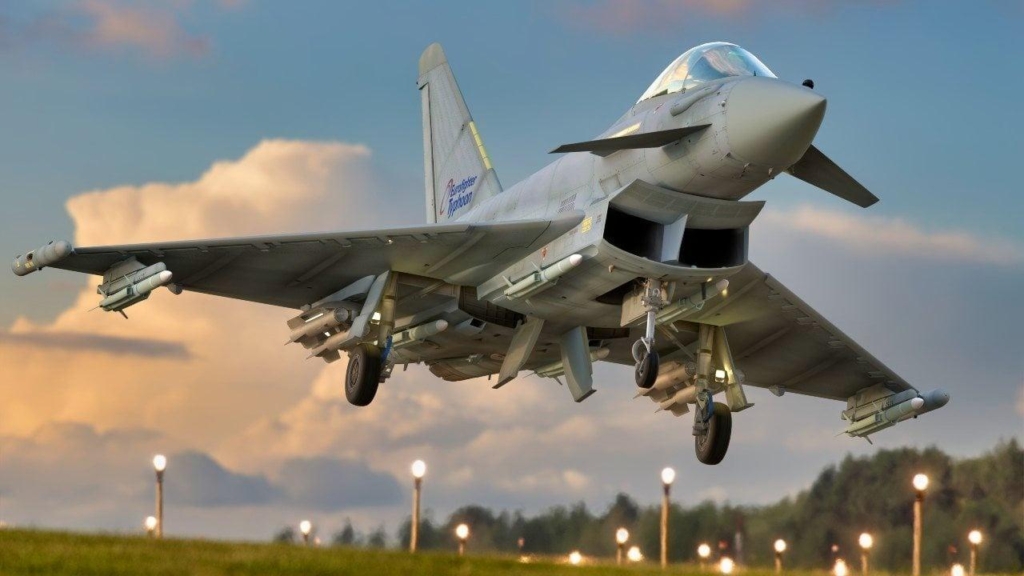

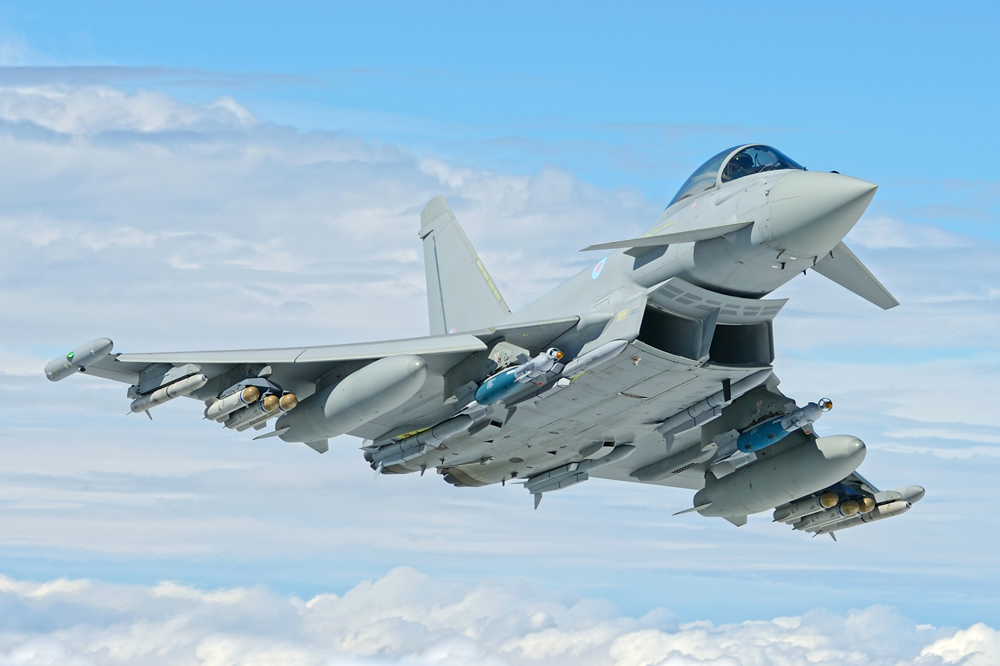
Türkiye has officially secured a new generation of combat aircraft, marking a pivotal advancement in its air force capabilities. After extended negotiations, the country reached a historic agreement in July 2025 to acquire the Eurofighter Typhoon, a 4.5-generation multirole combat aircraft jointly developed by the United Kingdom, Germany, Italy, and Spain.
On July 23, Turkish Minister of National Defense Yaşar Güler met with UK Secretary of State for Defence John Healey, culminating in the signing of a Memorandum of Understanding (MoU) that confirms Türkiye as a new Eurofighter Typhoon user. This milestone is set to significantly elevate Türkiye’s air defense power and deepen its defense cooperation with European partners.
Growing Strategic Ties with Europe Draws Regional Reactions
Following the signing of the deal, regional observers, particularly in Greece, have taken a close interest in Türkiye’s growing integration into Europe’s defense infrastructure. Greek daily Kathimerini published a detailed analysis highlighting Türkiye’s increasing proximity to European defense industry players, framing it as a geopolitical shift in spite of regional frictions.
The article emphasized that while Greece has often worked to rally EU nations against Turkish defense ambitions, Türkiye has successfully built individual bilateral relationships with countries like Italy and Spain, bypassing broader EU resistance. This strategy, according to Kathimerini, has enabled Türkiye to advance independently and forge strategic gains across defense, aviation, and industrial cooperation.
Türkiye’s Rising Defense Profile in Europe
The Kathimerini analysis pointed to several notable developments, including Türkiye’s acquisition of European companies and its collaboration with Spain on the MUGEM national aircraft carrier project—a 300-meter vessel representing a major leap in Türkiye’s naval capabilities. Additionally, unmanned aerial vehicle (UAV) collaborations with European nations further signal Türkiye’s transformation into a high-tech defense player with global reach.
These developments are not merely tactical gains; they represent a deliberate effort by Türkiye to embed itself into the European defense and manufacturing ecosystem. By doing so, Türkiye is expanding its influence, enhancing military interoperability, and gaining access to cutting-edge defense technologies.
40 Aircraft and Delivery Timeline
Kathimerini’s report also included important revelations about the structure and scope of the Eurofighter Typhoon deal. According to the article, Türkiye is expected to receive 40 aircraft in total as part of the agreement.
Of these, 28 will be newly produced units, while 12 will be sourced from existing fleets in Gulf countries, specifically Qatar and Oman, both of which are current Eurofighter operators.
Further claims from Kathimerini suggest that:
Spain has postponed some of its own aircraft deliveries to ensure Türkiye’s order can be fulfilled in a timely manner.
Used aircraft from the Gulf region are expected to be delivered to Türkiye sometime in 2026.
Newly manufactured Eurofighters will likely be delivered beginning in 2028.
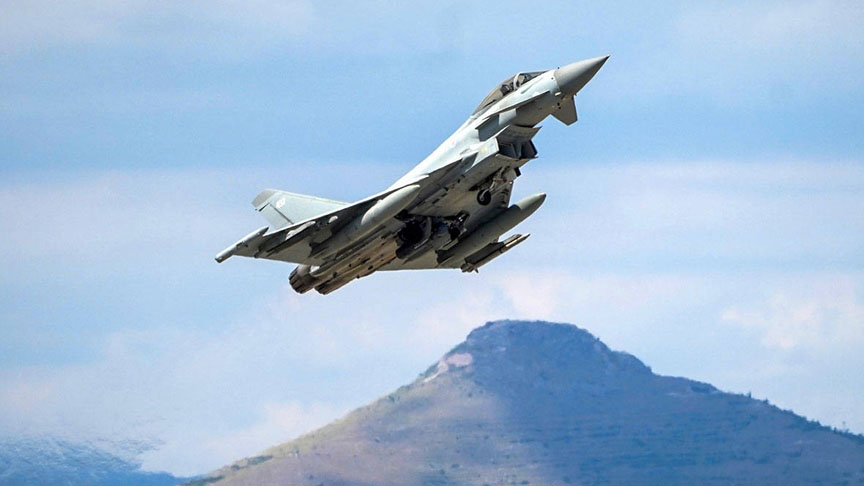
If these timelines hold, Türkiye will have a phased integration of the aircraft into its air force, starting with operational readiness through second-hand platforms, followed by brand-new units equipped with the latest avionics and combat systems.
Türkiye’s Defense Independence and Regional Competition
The acquisition of the Eurofighter Typhoon reinforces Türkiye’s broader goal of strategic defense independence. While the country continues to develop its own fifth-generation fighter, the TF-X (KAAN), the Eurofighter deal ensures Türkiye remains operationally strong in the medium term.
This move also reinforces Türkiye’s strategic depth amid ongoing tensions in the Eastern Mediterranean, where air superiority remains a critical factor. Greece, a long-time operator of advanced fighter jets including the Rafale and F-16 Viper, is now closely watching Türkiye’s growing aerial capabilities.
Kathimerini’s editorial line, “Türkiye grows despite Greece,” captures the unease among Greek analysts who view Türkiye’s expanding defense ties with the EU as a geopolitical recalibration that could diminish Athens’ influence.
Türkiye’s Broader Vision in Defense and Diplomacy
The Eurofighter agreement is more than a hardware purchase. It symbolizes Türkiye’s evolving place in the Euro-Atlantic security architecture, especially at a time when global alliances are being reshaped. By partnering directly with four major EU nations, Türkiye is reaffirming its strategic importance not only within NATO but also in the broader European security domain.
Through targeted cooperation, local defense development, and global partnerships, Türkiye is creating a multi-vector strategy: remaining self-reliant while integrating with key international systems. This dynamic approach is likely to shape the region’s military balance and diplomatic alignments in the coming decade.