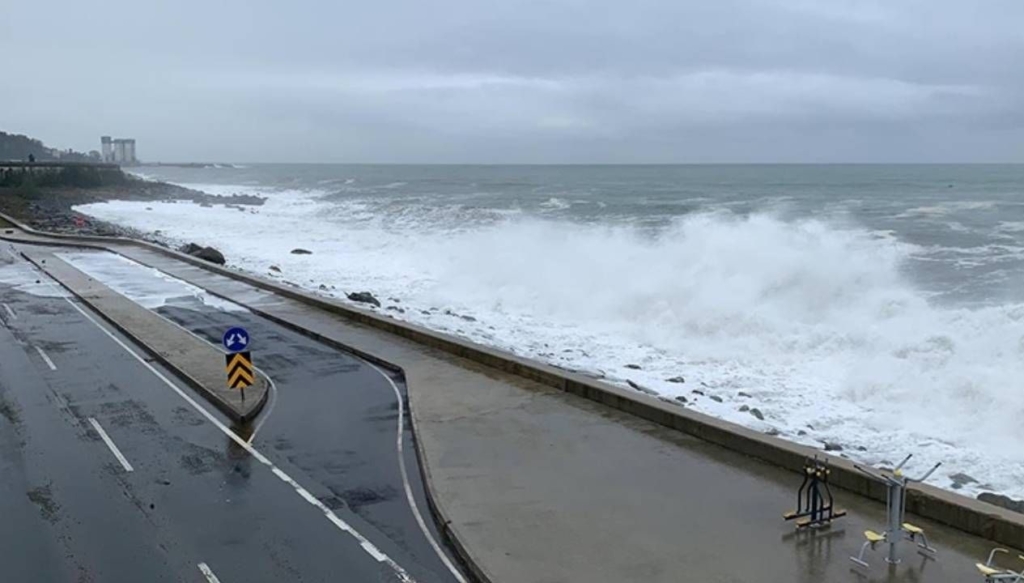

The Turkish coastal province of Trabzon has enforced a complete ban on sea entry due to rising wave levels that now exceed one meter. This precautionary decision, announced by the Trabzon Governorship via social media, aims to prevent potential drowning incidents and protect the well-being of both residents and visitors.
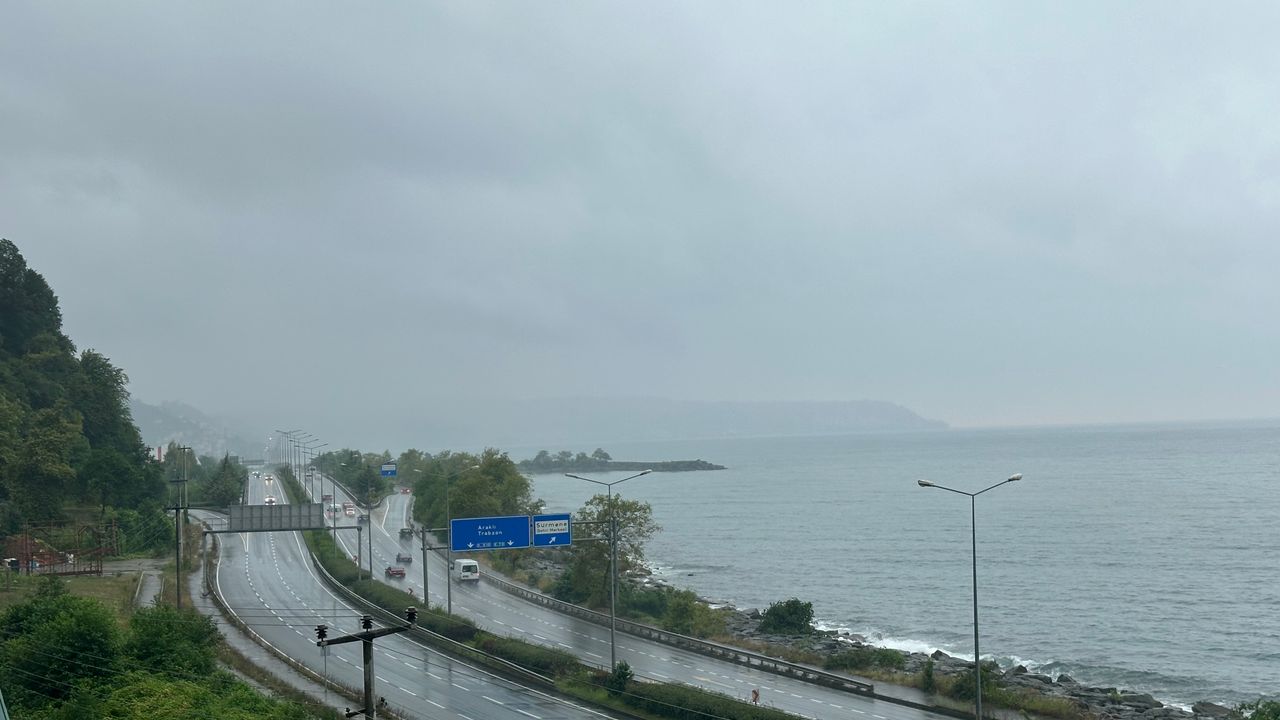
Statement from the Governor’s Office
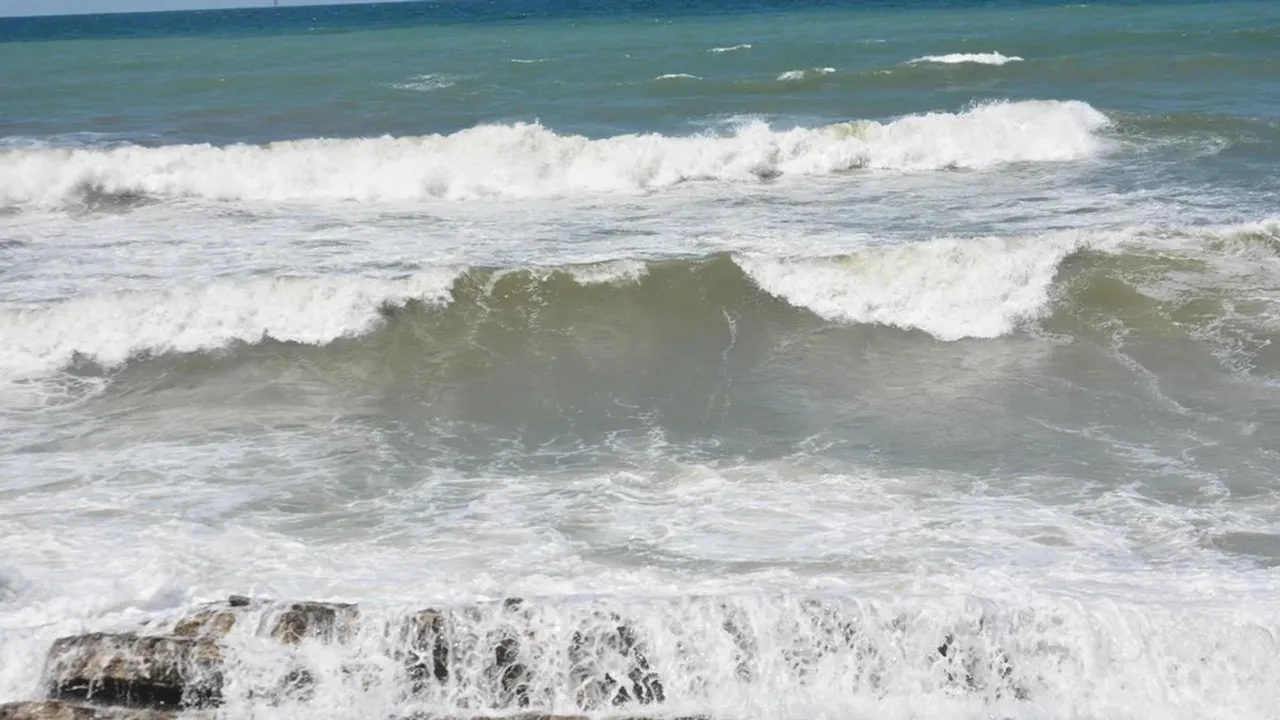
According to the official announcement, poor weather conditions have led to the formation of waves reaching dangerous heights. The governor’s statement read:
“Today, due to adverse weather conditions, the wave height has reached 1 meter. To prevent possible drowning incidents and ensure the safety of our citizens, entering the sea across our province has been prohibited.”
This preventive step is part of a wider protocol applied during volatile Black Sea conditions, which are known for their sudden shifts and hazardous currents.
Understanding the Risks of the Black Sea
The Black Sea’s unique topography and climate create conditions that can become dangerous very quickly. Unlike calmer bodies of water, the Black Sea frequently experiences abrupt weather changes that significantly affect wave strength and current patterns.
The Nature of Hidden Danger
While the water may appear calm near the shore, experts warn that powerful undercurrents and rip tides can pull even experienced swimmers into dangerous situations. This makes real-time monitoring and public compliance with safety measures crucial.
Meteorological forecasts had already indicated the likelihood of such hazardous conditions, prompting local authorities to act swiftly in issuing the ban. The Turkish State Meteorological Service (MGM) remains in close coordination with coastal security teams and local law enforcement to continuously assess environmental risks.
Public Reaction and Compliance
So far, public response to the sea entry ban has been largely supportive. Many Trabzon residents, familiar with the dangers posed by the Black Sea, praised the decision on social media and urged others to follow safety protocols.
A Community-Led Awareness
Neighborhood groups and local influencers have begun sharing the governor’s statement, reminding people of past incidents where such bans saved lives. Some residents recalled previous summers when ignoring similar warnings led to tragic drownings, highlighting the importance of community awareness in enforcing such measures.
Patrols and Enforcement
In tandem with the announcement, law enforcement officers and coast guard units have been deployed to beach areas across Trabzon. These patrols aim not only to enforce the ban but also to educate the public about the dangers posed by the current sea conditions.
The Role of Search and Rescue
Additionally, rescue teams with specialized training have been stationed at critical points, prepared to respond in case of emergencies. Lifeguards and water safety officials are also on high alert, ready to intervene should someone mistakenly or deliberately enter the water.
Impact on Tourism and Local Economy
Trabzon, particularly during the summer months, welcomes thousands of local and international visitors drawn to its coastal charm and scenic views. With this latest ban, beach activities have temporarily ceased, prompting adjustments in the local tourism sector.
Hotels and Tour Operators Respond
Several hotels and guesthouses have begun informing their guests about the sea ban, offering alternative recreational activities and excursions. Tour guides are redirecting visitors to safer inland destinations, while beach businesses are complying with the rules and taking advantage of the downtime to perform maintenance.
Local tourism authorities are working closely with businesses to mitigate the economic impact while emphasizing that public safety must come first.
Sea Bans in the Black Sea Region
This is not the first time such bans have been implemented in Trabzon or other Black Sea provinces. In recent years, Turkish authorities have taken proactive steps whenever forecasts signal potentially dangerous marine conditions.
A Record of Precaution
Previous instances of sea bans have significantly reduced the number of drownings and sea-related injuries. Data from the Ministry of Interior shows that incidents involving swimmers decrease by over 70% during enforced bans.
Experts recommend maintaining a strict safety-first approach, especially in regions like the Black Sea where environmental shifts can be abrupt and unforgiving.
What Comes Next?
According to ongoing forecasts, wave conditions are expected to persist for the next 24 to 48 hours. Authorities are closely monitoring developments and will issue updates through official channels.
Citizens Encouraged to Stay Informed
The Trabzon Governorship urges all residents and visitors to follow verified sources, such as provincial government social media accounts or local news outlets, for the most accurate information. Misinformation during such times can be dangerous, particularly when people underestimate the threat level.
In case conditions improve, an official announcement will lift the sea ban. Until then, people are strongly discouraged from approaching the shoreline or engaging in any water-related activities.
Conclusion: A Model for Preventive Governance
Trabzon’s swift response to adverse sea conditions exemplifies a proactive and safety-conscious governance model. In an era where climate change increases the unpredictability of weather patterns, such measures are becoming increasingly common—and necessary.
By putting public safety ahead of short-term recreation or economic gain, the province sends a strong message: human life and well-being are non-negotiable. The collaboration between meteorological experts, law enforcement, emergency responders, and the public is what makes such actions effective.
As summer continues, residents and travelers alike are reminded that nature, while beautiful, demands respect—and that following official guidance is not only wise but potentially life-saving.