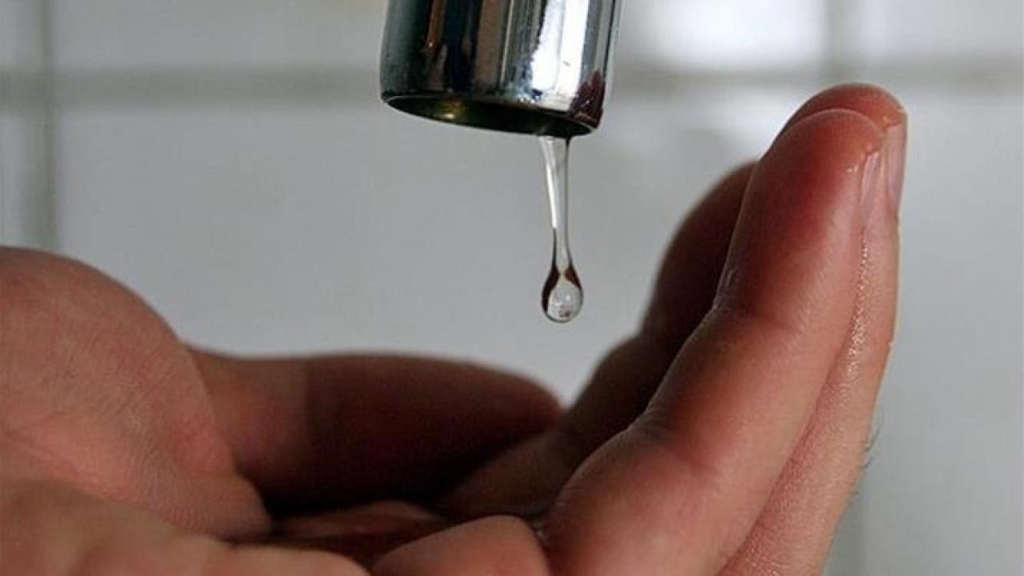

Turkey is facing one of its most alarming water shortages in recent memory, with both Izmir and Ankara grappling with the consequences of prolonged drought and declining reservoir levels. What began as a temporary precautionary measure in Izmir has now escalated into a full-scale crisis, as water supply interruptions are becoming more frequent and reservoirs in the capital city have dropped to critically low levels.
The Izmir Water and Sewerage Administration (İZSU) announced adjustments to its previously declared water cut schedule, revealing that restrictions originally planned for every five days will now occur every three days. Meanwhile, in Ankara, new figures show that the city has less than three months of drinking water left if rainfall patterns do not change.
Izmir Adjusts Water Cuts Amid Rising Drought Concerns
In a statement published on its social media platform, İZSU explained that the revised plan was made after evaluating water consumption levels and the remaining reserves. Effective from 22 August, the city has been divided into three zones, with nightly water cuts applied between 11:00 p.m. and 5:00 a.m.
The new framework also includes certain neighborhoods in Menemen district, expanding the scope of restrictions. Residents can access a neighborhood-specific plan via the İZSU official website.
This decision came only weeks after the Izmir Water Board, operating under the Izmir Metropolitan Municipality, announced that partial water cuts would take place starting from 6 August. Initially, interruptions were scheduled every five days, but the worsening drought conditions have forced authorities to reduce the interval to every three days.
Ankara’s Situation More Dire Than Ever
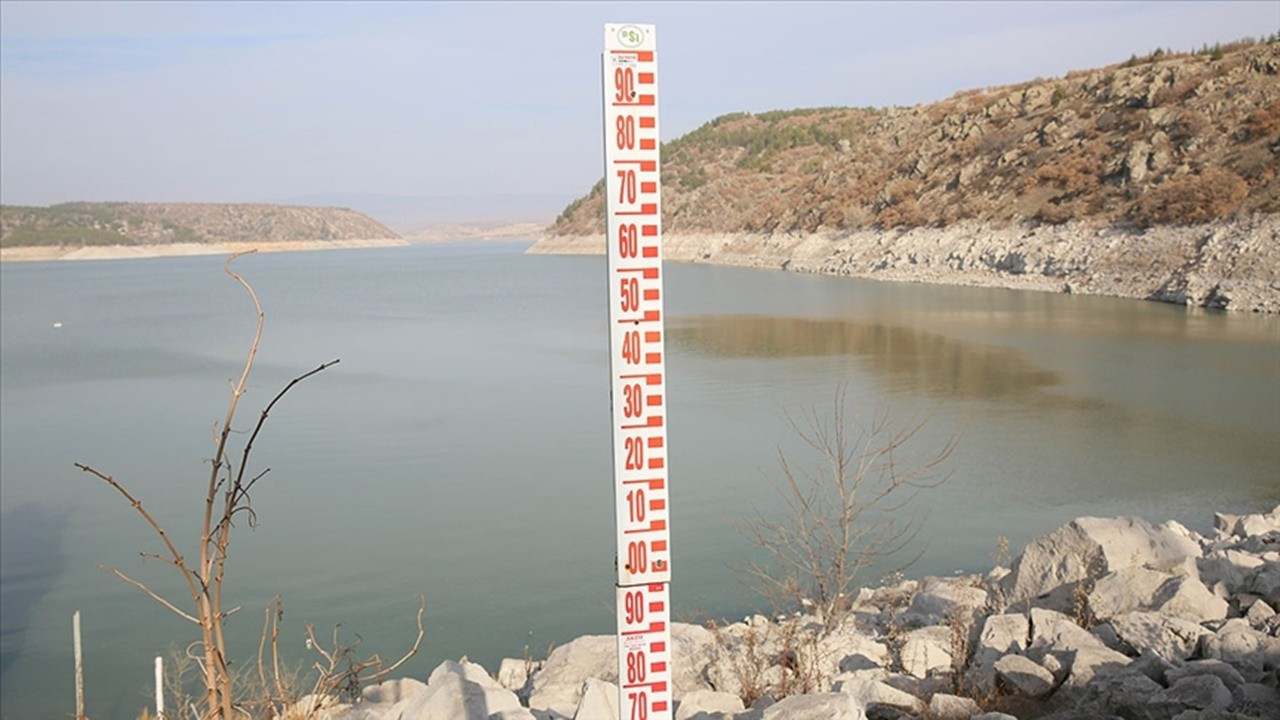
If Izmir’s case highlights an urban management challenge, Ankara’s numbers reflect a looming environmental emergency. Data from the Ankara Water and Sewerage Administration (ASKİ) reveals that as of 20 August 2025, overall water storage in the capital’s dams stood at just 19.42 percent. This marks a dramatic decline compared to 39.41 percent in the same period last year.
Even more concerning is the active usable water storage, which has plummeted from 31.21 percent in 2024 to just 8.52 percent this year. In real terms, Ankara currently has 118 million cubic meters of drinkable water left—enough to last less than three months under current consumption rates.
ASKİ reports that the city delivers approximately 1.73 million cubic meters of water per day. However, annual evaporation and irrigation losses have compounded the problem, leaving reservoirs at dangerously low levels.
Dams Nearly Dry, Former Settlements Emerging
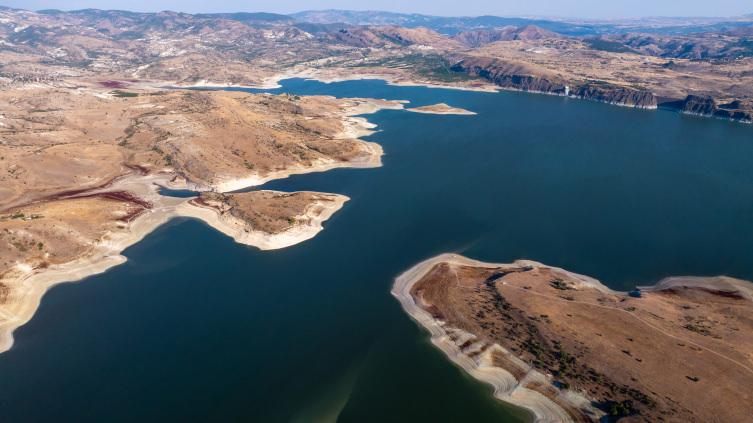
The dramatic decline in water storage has been most visible at major reservoirs around the capital. In Çamlıdere, Kurtboğazı, Akyar, and Eğrekkaya, water levels have receded by nearly 40–50 meters, exposing old settlements, abandoned homes, and small islands that had long been submerged.
As of late August, dam occupancy levels were measured as follows:
Çubuk-2: 10.67%
Çamlıdere: 19.37%
Kurtboğazı: 14.05%
Kavşakkaya: 16.84%
Eğrekkaya: 27.41%
Akyar: 20.16%
Peçenek: 14.04%
The figures paint a stark picture of just how severe the crisis has become.
Residents Already Feeling the Impact
For residents of both cities, the water shortages are no longer abstract statistics—they are a daily reality. In Izmir, households must adjust their routines to cope with nightly water cuts. Washing, cooking, and cleaning have become tasks that need careful planning. Some families are resorting to storing water in large containers to avoid disruptions.
In Ankara, the anxiety is more pronounced. Many neighborhoods are already reporting weaker water pressure, and public concern is growing that restrictions may soon extend to daytime hours. Citizens have begun questioning whether authorities acted quickly enough to prepare for such an emergency.
Climate and Mismanagement
Experts point to a combination of factors fueling the crisis. Climate change has brought hotter, drier summers with significantly less rainfall, while rapid urbanization and high water consumption patterns have accelerated depletion.
Agricultural practices also play a major role, as irrigation demands consume vast amounts of water, often inefficiently. Critics argue that stronger conservation policies should have been implemented earlier, including investment in modern irrigation systems, increased recycling of wastewater, and stricter regulation of industrial water use.
Lessons from the Crisis
This deepening water shortage highlights several urgent lessons for Turkey:
Urban resilience must improve: Cities like Izmir and Ankara need long-term plans for drought preparedness, including expanded storage capacity and advanced water management systems.
Public awareness is critical: Citizens must be educated on how to conserve water effectively, from household consumption to agricultural practices.
Policy action cannot wait: National and local governments need to address the systemic causes of water depletion, including climate adaptation and environmental protection.
What Happens Next?
Authorities in both Izmir and Ankara are working to balance immediate crisis management with long-term strategies. In Izmir, the shift to a three-day water cut rotation is seen as a temporary but necessary measure. In Ankara, however, the focus has shifted toward emergency planning, as reservoirs may not last until the end of the year without significant rainfall.
Meteorologists caution that while autumn rains may offer some relief, they are unlikely to fully restore reservoirs. Long-term solutions, they argue, will depend on diversifying water sources, investing in desalination plants, and improving groundwater management.
A National Wake-Up Call
The crisis in Izmir and Ankara should be viewed as part of a broader national challenge. Across Turkey, rivers and reservoirs are under increasing stress, and water scarcity is emerging as one of the most pressing issues of the coming decade.
For policymakers, the question is no longer whether water shortages will occur, but how frequently and how severely. Without systemic reforms, Turkey risks seeing more cities face the same challenges now unfolding in Izmir and Ankara.