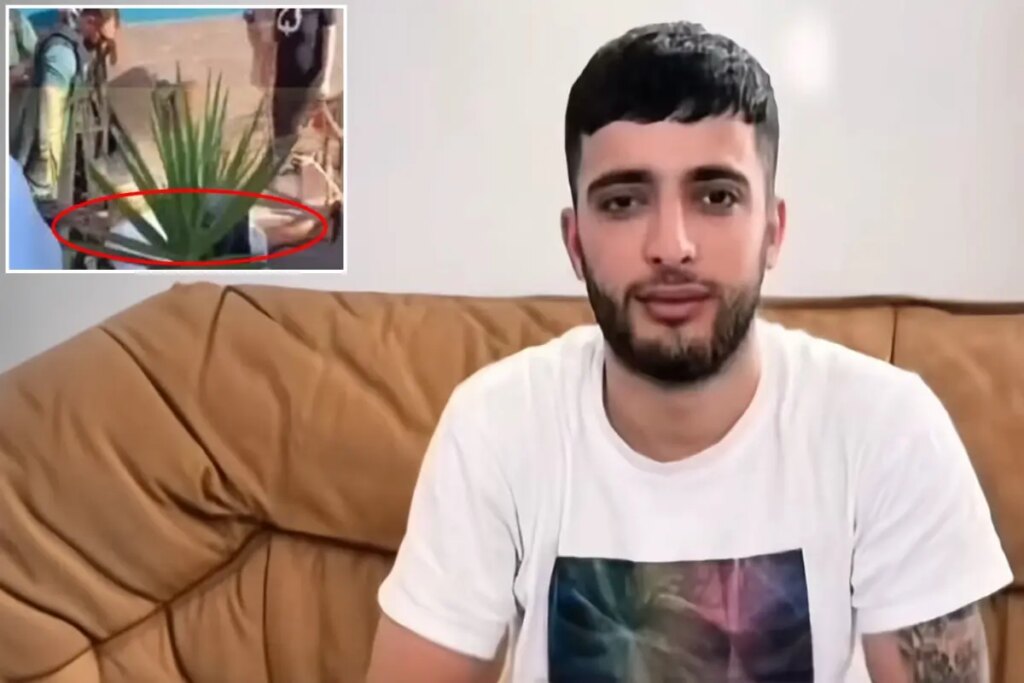

In a chilling reflection of how organized crime is evolving in the social media era, one of the alleged senior figures of the Turkish gang known as “Daltonlar” was shot and killed in Spain. Caner Koçer, widely believed to be a high-ranking member of the new-generation criminal organization that uses platforms like TikTok to lure young followers, was gunned down in the city of Torrevieja, sending shockwaves through both Turkish and Spanish media landscapes.
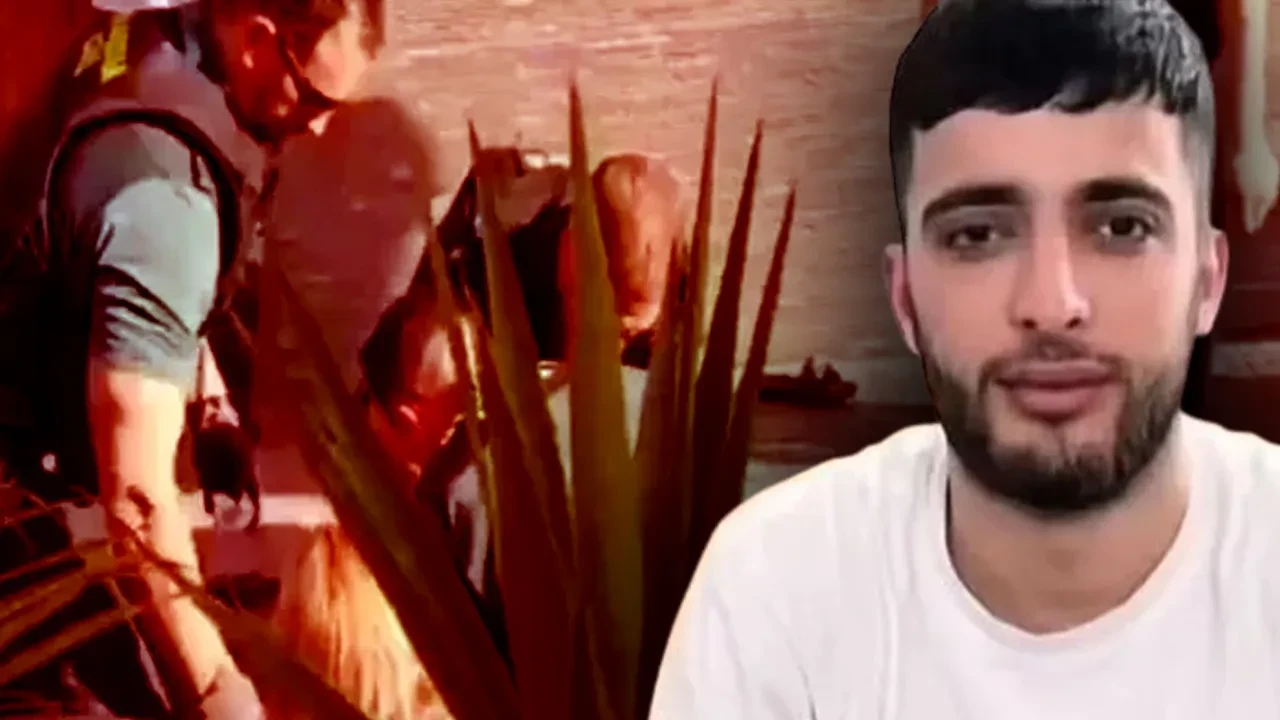
Who Was Caner Koçer?
Caner Koçer had gained notoriety not through traditional criminal channels, but through social media. As part of the so-called Daltonlar—a gang often characterized by flashy online personas, provocations, and digital recruitment—Koçer exemplified the emergence of crime syndicates that combine real-world operations with aggressive online branding.
While the group’s roots remain under investigation, Turkish authorities have long suspected the Daltonlar of engaging in transnational crime, particularly drug trafficking and extortion. Their open online presence, including threats, music videos, and provocative posts, blurred the line between gang life and influencer culture.
The Assassination in Spain
On the night of the attack, Koçer was fatally shot at the intersection of Pedro Lorca and Rambla Juan Meteo streets in Torrevieja, a popular coastal town in southeastern Spain. Local emergency crews arrived on the scene swiftly, and videos capturing their medical efforts quickly surfaced on social media.
Reports from the Spanish press described the shooting as a “targeted execution in the Turkish gang war.” According to local sources, the attackers ambushed Koçer, and initial speculation links the act to an ongoing turf conflict with a rival gang known as the “Caspers.”
Digital Clues and Preceding Threats
Weeks before the fatal shooting, Koçer had reportedly been threatened online. A widely followed Instagram account, @niporwifi, shared both footage from the crime scene and commentary suggesting the killing was carried out by Caspers-affiliated hitmen.
The post stated:
“The new generation Turkish mafia was in Spain and, after a failed attack in Estepona, was preparing for another operation. A Dalton member was executed at the corner of Pedro Lorca and Rambla Juan Meteo in Torrevieja. He was killed by assassins from the Caspers gang, who had threatened him weeks earlier.”
Such public documentation of threats, planning, and aftermath on open social media channels is a hallmark of these emerging digital-age criminal organizations. It’s a stark shift from the secretive, omertà-bound mafias of the past.
Spain as a Battleground for Foreign Crime Syndicates
Koçer’s assassination highlights a broader issue: Spain’s growing status as a hotspot for international organized crime. From Russian oligarch-linked networks to Balkan drug cartels and now Turkish gangs, Spain—particularly its coastal cities—offers a combination of tourism anonymity, weak oversight in certain regions, and proximity to key narcotics routes between Africa and Europe.
Leaked documents from Europol and Spain’s national police have shown a marked increase in foreign gang-related activity in recent years, with Torrevieja and nearby Alicante featuring prominently in drug, arms, and human trafficking investigations.
TikTok, Instagram, and the Rise of Digital Mafias
Perhaps the most disturbing element in Koçer’s case is the normalization of gang culture via social media platforms. The Daltonlar, among others, have used TikTok and Instagram to promote an image of power, wealth, and danger—often glamorizing crime for younger audiences.
Experts warn that this visibility can act as a recruitment tool. Teens and young adults in Türkiye and beyond may become enthralled by the fast-paced, luxurious lifestyles portrayed online, unaware of the deadly realities behind the screen.
These platforms also become battlegrounds for digital feuds, insults, and threats—often escalating into real-world violence, as seen in Koçer’s case.
A Strategic Killing or the Start of a Gang War?
The highly coordinated nature of the shooting suggests it was not a random act, but part of a premeditated gang strategy. If true, it raises concerns that Turkish crime organizations are now extending their rivalries into European territory.
Security analysts have pointed to similar patterns in Albanian, Georgian, and Chechen crime networks that have used European soil as both a battleground and a safe haven. For Türkiye-based criminal networks, the European Union presents both opportunity and risk—larger markets for illicit goods, but also higher-profile consequences.
Reactions from Authorities and the Public
While Spanish police continue to investigate the incident, both Spanish and Turkish authorities have remained tight-lipped about specifics. No suspects have been officially named, and no arrests have been made as of yet.
Turkish media outlets and public figures have expressed concern over the global spread of homegrown gangs. Meanwhile, on social media, public reaction to Koçer’s death has been polarizing—some mourning him, others condemning the criminal culture he represented.
The Legal Vacuum of Cross-Border Digital Crime
This case has also reopened discussions about the limitations of international law enforcement in the digital age. Although many social media threats are public, platforms are often slow to intervene unless prompted by law enforcement. Jurisdictional complexity also means that actionable threats made in Türkiye may not receive immediate attention in Spain—or vice versa.
Calls are mounting for enhanced international cooperation on monitoring criminal activity on platforms like TikTok and Instagram, as well as for better education among youth about the dangers of glorifying such figures.
Looking Ahead: A Warning Sign for Europe
Caner Koçer’s death is more than a gang killing—it’s a warning. It signals a dangerous evolution in organized crime: younger, more visible, and more internationally mobile. It also shows how traditional policing methods may be insufficient in an era where violent threats are tweeted, recorded, and streamed live.
The Daltonlar and similar groups may still be fringe in their reach, but their digital footprint is growing—and so is their appeal to disenfranchised youth.
Without strategic intervention from both law enforcement and tech companies, Europe may see more incidents where the lines between influencer and mobster blur—with deadly consequences.