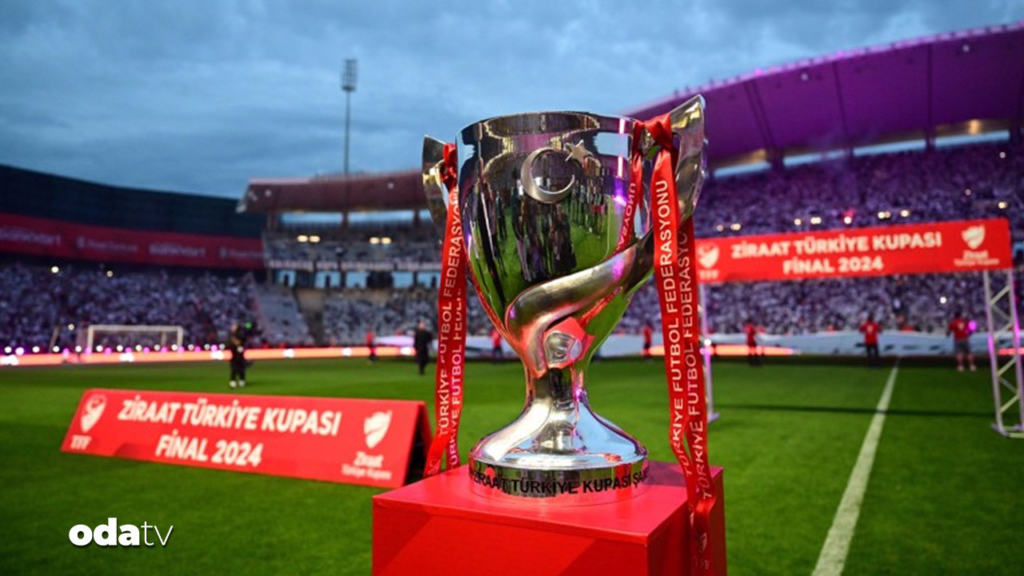

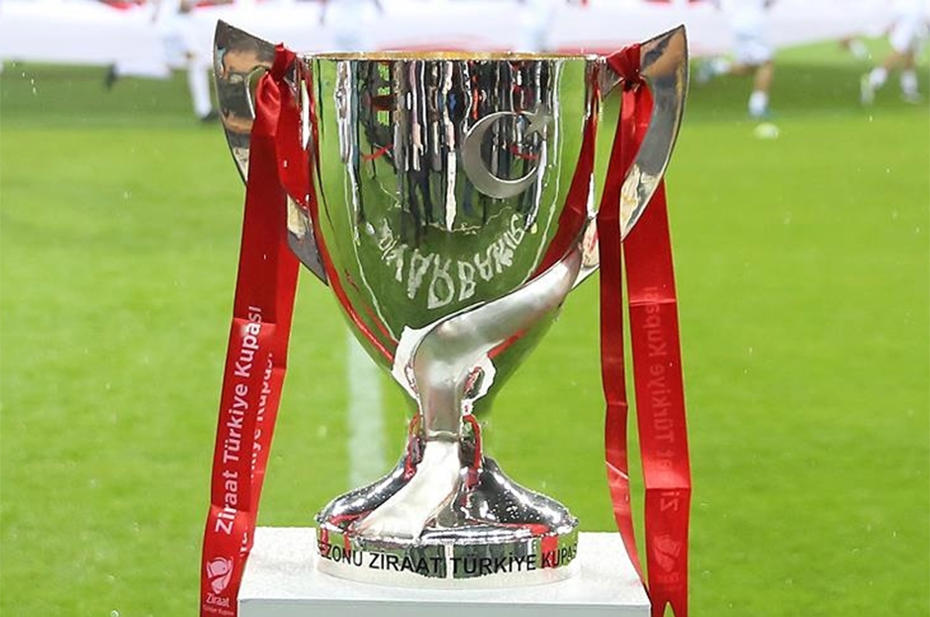
The draw for the second qualifying round of the 2025–2026 Ziraat Turkish Cup has reignited long-standing debates about the tournament’s format and its fairness. Football journalist Alper Kaya drew attention to inconsistencies in the structure, pointing out that while last season’s champions and promoted teams from the Third League were forced to enter from the first round, clubs that failed to secure promotion through playoffs were given the advantage of starting directly in the second round.
Promotion Winners Starting From the First Round
Teams such as Bursaspor, Muğlaspor, Aliağa FK, Mardinspor, Muşspor and Kahramanmaraş İstiklalspor, who earned promotion from the Third League to the Second League, were all required to begin their cup journey in the very first round. These clubs, fresh off their league triumphs, found themselves burdened with additional fixtures right at the start of the season.
Playoff Losers Benefiting in the Second Round
In contrast, playoff losers like 52 Orduspor, Karşıyaka and Balıkesirspor entered the competition in the second round, skipping the early stage altogether. Kaya criticized this structure as effectively rewarding failure: “If you win your league or gain promotion, you start from the first round. But if you fail to get promoted, you get a free pass into the second round. It’s as if failure is being rewarded,” he noted.
The Broader Structural Problem
This issue highlights a deeper structural flaw in Turkish football. The Ziraat Turkish Cup, despite being one of the most prestigious domestic competitions, has long been criticized for its complex and often contradictory format. Süper Lig clubs, for instance, do not enter the competition until the third or fourth rounds and are usually seeded, giving them a significant advantage over lower-league sides.
For newly promoted clubs from the Third League, the challenge is twofold: adjusting to the higher demands of the Second League while simultaneously managing early fixtures in the national cup. Instead of offering these teams relief or incentives for their success, the current format appears to penalize them.

Financial and Sporting Implications
Participation in the Ziraat Turkish Cup is not just about prestige. For lower-league teams, advancing in the competition can provide much-needed financial rewards through gate receipts, sponsorship visibility and potential TV revenue. By forcing successful clubs to play from the very first round, their chances of progressing deep into the tournament—and accessing these financial benefits—are reduced compared to clubs that start later.
This imbalance undermines the spirit of sporting meritocracy, where success should ideally be rewarded rather than punished.
Comparisons to Other Competitions
In many European footballing nations, cup competitions are designed to encourage lower-league participation without structurally handicapping successful teams. In England, for example, promotions do not disadvantage clubs in the FA Cup entry stages. Similarly, in Germany’s DFB-Pokal, lower-division teams are often granted home advantage in the early rounds as an incentive.
By contrast, Turkey’s approach risks creating disillusionment among smaller clubs who see their achievements overshadowed by an illogical competition framework.
Editorial Note
The 2025–2026 Ziraat Turkish Cup format once again reflects broader problems within Turkish sports administration. Instead of rewarding championship success, the system paradoxically grants privileges to those who fell short. As Alper Kaya noted, this not only undermines the credibility of the competition but also signals how far Turkish football has drifted from the principle of rewarding sporting merit. Unless reformed, the tournament risks losing its relevance and further alienating the very clubs and fans who give it life.