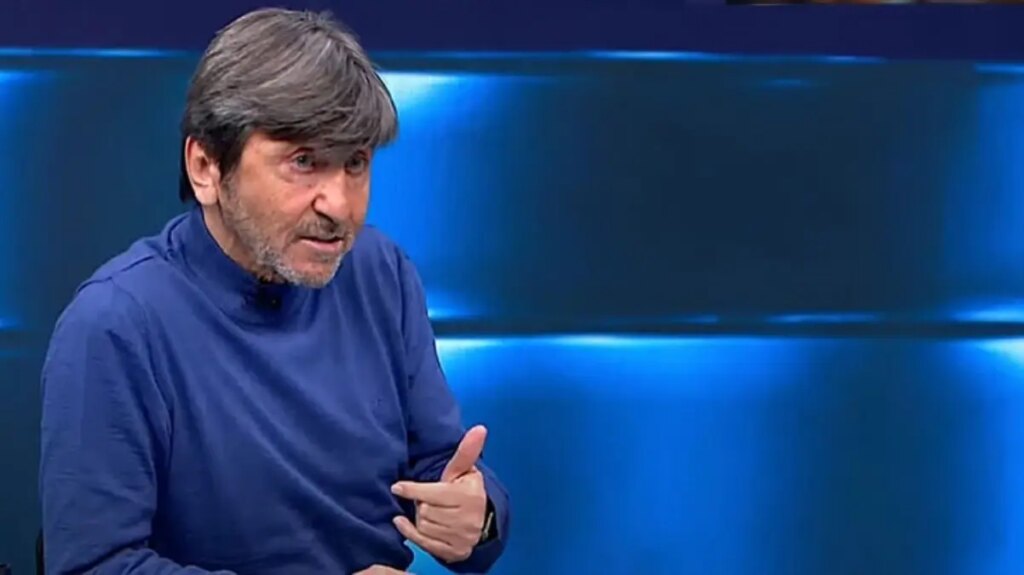

Galatasaray’s emphatic 4-0 away victory against Kayserispor sparked fresh debate about the level of competitiveness in the Süper Lig. Renowned football commentator Rıdvan Dilmen did not hold back in his post-match analysis, stressing that the gap between the top clubs and the rest of the league has reached unprecedented levels. Highlighting Galatasaray’s extraordinary statistics, Dilmen claimed that such dominance not only reflects the strength of the squad but also exposes weaknesses in Türkiye’s domestic football structure.
Galatasaray’s Record-Breaking Statistics
In his assessment, Dilmen pointed to Galatasaray’s staggering numbers across recent matches. The Istanbul giants have scored 41 goals and conceded only 4 in their last 14 domestic fixtures. More impressively, the team has gone eight consecutive games without conceding a single goal. This season alone, Galatasaray has netted 10 goals in just three matches while maintaining a perfect defensive record.
“These statistics are unbelievable,” Dilmen remarked. “In the last 14 matches, Galatasaray scored 41 times and conceded just 4. For the last 8 matches, they haven’t even allowed a goal. This is not normal. If you look at this mathematically, there are two conclusions. First, Galatasaray are incredibly strong. Second, there is no real football being played in Türkiye anymore.”
Leroy Sane and Improved Coordination
Dilmen also noted the progress of new signing Leroy Sane, who had faced some struggles in his first two league appearances. Against Kayserispor, however, he looked more integrated into the system. “We saw Sane’s problems in the first two weeks,” Dilmen explained. “But today, his coordination with the team was complete.”
The commentator praised the balance of talent and hard work within Galatasaray’s squad. “When you look at their roster, it’s not just about individual talent. They are working hard as a unit. Their performance goes beyond what highlights can capture—Galatasaray created at least ten scoring chances in this match alone.”
A Gap Unlike Anything in Europe
What struck Dilmen most was not only Galatasaray’s dominance but also the lack of comparable competition within the league. “The quality of Galatasaray’s players is very high. The statistics I just mentioned do not exist anywhere in Europe,” he said.
He compared the Süper Lig to mismatched boxing divisions, where heavyweights constantly overpower lightweights. “In this league, at least ten teams are simply lightweight fighters,” Dilmen continued. “They cannot compete with the heavyweights. This is the reality we must face. The league keeps producing record points totals like 99 and 102, but that only shows how unbalanced the competition has become.”
Impact on the League’s Image
Dilmen’s remarks highlight a growing concern among analysts and fans alike—that the Süper Lig risks losing its excitement due to the overwhelming dominance of its top clubs. While Galatasaray and Fenerbahçe attract international attention with their high-profile players and European ambitions, the majority of clubs in Türkiye struggle to keep up financially and competitively.
“Galatasaray and Fenerbahçe are in a different category,” Dilmen said. “The gap is too big. Other teams cannot realistically challenge them over a season. This is why we see record point totals and why fans of smaller clubs feel disengaged.”
Questioning the League’s Scheduling
Another point of frustration for Dilmen was the frequent interruptions and rescheduling within the league. “I also don’t understand why this league keeps being postponed,” he added. “If we already have such a gap between the top and bottom, constant delays make the competition feel even less coherent. It is frustrating for fans and players alike.”
Galatasaray’s Ambitions Beyond Türkiye
While Dilmen’s analysis centered on domestic issues, Galatasaray’s dominance also fuels hopes for European campaigns. The team’s defensive solidity and attacking firepower suggest they could be competitive in continental competitions. For Türkiye’s coefficient and reputation in Europe, consistent performances from Galatasaray and Fenerbahçe are vital.
However, Dilmen’s warning is clear. Without stronger competition at home, the top Turkish clubs may not face the kind of challenges that prepare them for elite European opposition. Dominating weaker sides week after week risks creating a false sense of security.
The Role of Squad Investment
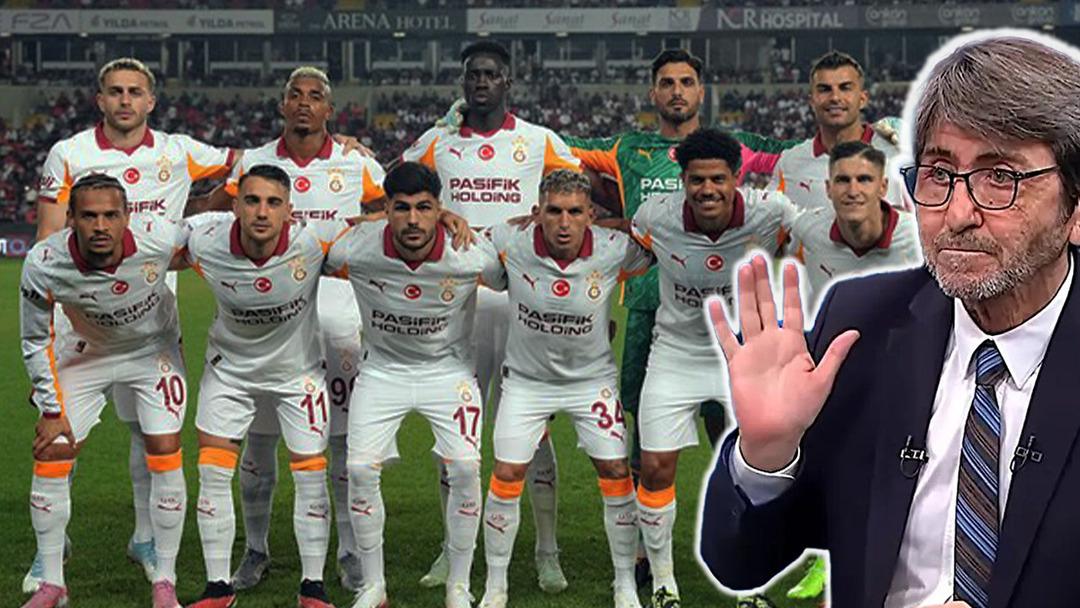
One undeniable factor behind Galatasaray’s current form is their significant investment in squad depth. From Leroy Sane to proven stars across midfield and defense, the team has assembled a roster capable of competing with Europe’s top sides. Dilmen acknowledged this strength but reiterated that such dominance reflects poorly on the competitive balance of the Süper Lig.
“It’s not just about the money spent,” Dilmen emphasized. “It’s about how much stronger the top two clubs are compared to the rest. The financial and sporting gap is massive, and it is not healthy for the league in the long term.”
Calls for Broader Structural Reform
Dilmen’s sharp criticism echoes calls for broader reforms in Turkish football. Issues such as financial fair play, youth development, and balanced revenue distribution have long been debated. Without addressing these concerns, the Süper Lig risks widening the gulf between its giants and the rest of the competition.
Fans across Türkiye are already debating whether the league is becoming predictable. While Galatasaray and Fenerbahçe fans celebrate their dominance, neutral observers worry that one-sided competitions diminish the overall appeal of the domestic game.
A Message to Fans and Officials
Ultimately, Dilmen’s message was both a compliment to Galatasaray’s exceptional form and a warning about the state of the league. Their record-breaking run should be celebrated, but it should also serve as a wake-up call for officials tasked with maintaining competitive integrity.
As Galatasaray continues to chase domestic and European success, the rest of the Süper Lig faces a pressing question. Can structural reforms and smarter investments level the playing field, or will Türkiye’s football landscape remain one where only a handful of clubs dominate?