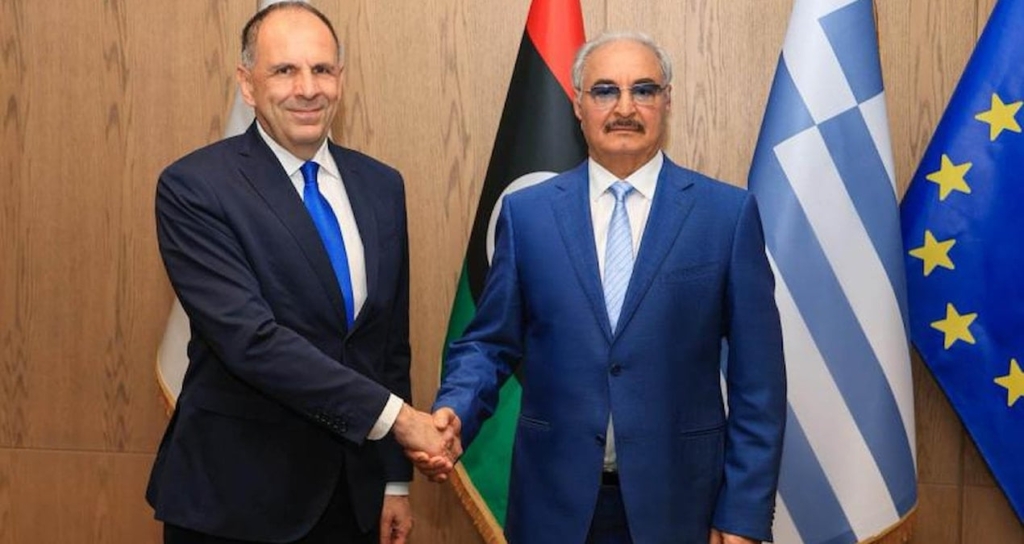

Tensions in the Eastern Mediterranean are once again heating up as Greece takes bold diplomatic steps in Libya, seeking to offset Türkiye’s influence over maritime boundaries in the region. The move comes in response to Türkiye’s 2019 Exclusive Economic Zone (EEZ) agreement with Libya’s UN-recognized Government of National Unity (GNU), which effectively redrew portions of maritime borders in the Mediterranean — much to Athens’ dismay.
In what analysts are calling a “diplomatic offensive,” Greece has signed a series of agreements with General Khalifa Haftar, the de facto ruler of eastern Libya and commander of the Libyan National Army (LNA). These developments mark a significant shift in Mediterranean geopolitics and could further complicate the region’s already delicate balance of power.
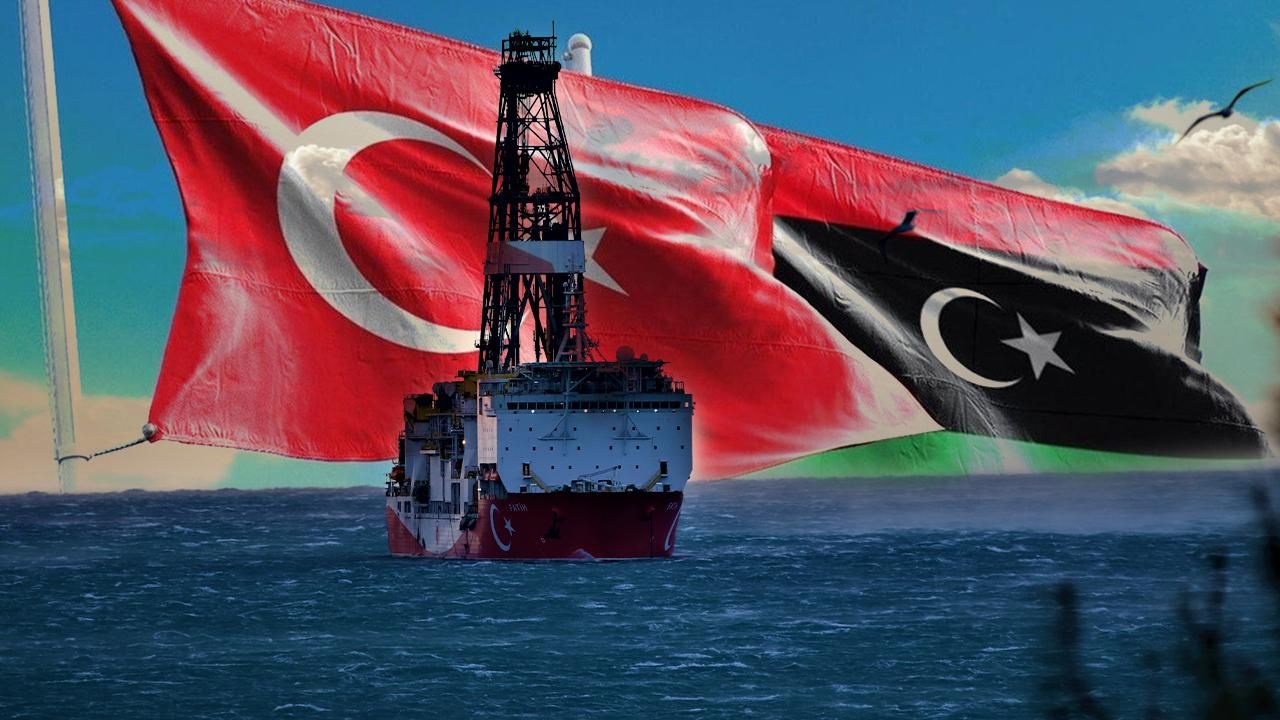
A Divided Libya Becomes a Diplomatic Battleground
Libya remains deeply divided, with two main centers of power:
The Government of National Unity (GNU) based in Tripoli, supported by the United Nations and allied with Türkiye
The Libyan National Army (LNA) led by General Khalifa Haftar, controlling the country’s east, and increasingly supported by Greece and other regional actors
Rather than seeking consensus through the UN-recognized government, Greece has opted to negotiate directly with Haftar’s eastern faction, thereby undermining the unity of Libya’s foreign policy and raising questions about international legality.
According to reports, Greek Foreign Minister George Gerapetritis held meetings with Haftar in recent days, finalizing deals that include:
Training Libyan coast guard personnel in Greece on boarding, search, and seizure operations (VBSS)
Financial and logistical support reportedly worth millions of Turkish Lira
Technical assistance for the repair of naval vessels and procurement of multi-purpose vehicles for border operations with Egypt and Sudan
SEO keywords: Greece Libya deal, Türkiye EEZ Libya, Haftar Greece relations, Mediterranean maritime tensions, Libya diplomatic crisis
Countering Türkiye’s Maritime Ambitions
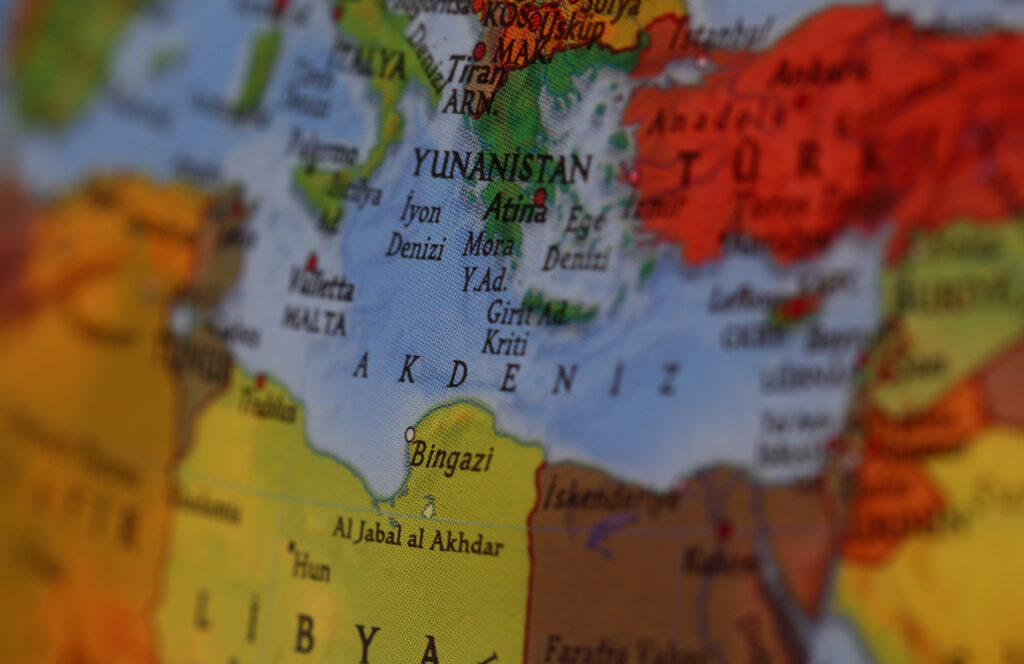
In 2019, Türkiye and the GNU signed a maritime boundary agreement that created a joint Exclusive Economic Zone stretching between their coasts, bypassing Greece’s island of Crete and other territories. The deal, while contested by Greece, was registered with the United Nations and became a cornerstone of Türkiye’s regional energy strategy.
Now, Greece is attempting to replicate Türkiye’s approach — albeit through Libya’s rival faction. Athens aims to:
Dilute the legitimacy of Türkiye’s agreement with Tripoli
Undermine Turkish exploration efforts near Crete
Establish a military and political presence in eastern Libya
The Greek press has openly described the move as “an effort to break Libya away from Türkiye’s maritime zone pact”, especially in relation to hydrocarbon exploration in the eastern Mediterranean.
Is Greece Exploiting Libya’s Division?
Critics argue that Greece’s engagement with the LNA lacks international recognition and may deepen Libya’s internal fragmentation. Haftar does not speak for all of Libya, and his government is not recognized by the UN. Nonetheless, the LNA controls significant territory and has its own armed forces, ports, and infrastructure — enough to offer Greece strategic leverage.
Haftar himself has previously signed military cooperation agreements with Türkiye, including personnel training and technical support. Yet, Greece was able to finalize similar agreements in a matter of days, suggesting a shift in Haftar’s alliances or a tactical decision to play both sides.
Türkiye’s Silence and Strategic Patience
As of this writing, Türkiye has not issued an official response to Greece’s latest moves in Libya. However, analysts suggest that Ankara is closely monitoring developments and may respond via diplomatic or military channels.
The concern in Türkiye is that these agreements directly threaten its maritime corridor with Libya, which has been critical for its energy exploration, naval strategy, and geopolitical influence in North Africa.
Some Turkish officials have privately warned that Greece’s involvement with Haftar could backfire, potentially drawing Athens deeper into Libya’s unresolved conflict.
EU and NATO Dimensions
Greece is a member of both the European Union and NATO, while Türkiye is a NATO member but increasingly at odds with Brussels. By forging ties with Haftar, Greece may be aligning itself with regional players like Egypt and France, who also support the LNA — thereby creating a counter-bloc to Türkiye’s influence in the region.
At the same time, the EU’s fragmented Libya policy makes it difficult to enforce a unified stance, giving member states like Greece room for individual maneuvering.
Migration, Security, and the Mediterranean Chessboard
One of the justifications given for the Greece-LNA cooperation is the containment of illegal migration. Under the new agreement, LNA personnel will receive training in Athens aimed at stopping migrant smuggling routes originating from eastern Libya.
However, this cooperation has implications far beyond migration:
It establishes a Greek military footprint in North Africa
It opens channels for intelligence sharing and security coordination
It sets a precedent for bypassing the Tripoli-based central government, undermining the UN peace process
SEO keywords: Mediterranean energy conflict, Greece Libya maritime deal, Türkiye Greece maritime dispute, EU Libya strategy, illegal migration Eastern Libya
What Happens Next?
With Türkiye maintaining silence and Greece accelerating its moves, the Eastern Mediterranean could be heading toward a new phase of strategic competition. The maritime borders, energy exploration licenses, and naval exercises in the region will now be colored by this latest development.
Three potential scenarios are emerging:
Türkiye issues a formal response, reaffirming its deal with Tripoli and possibly engaging diplomatically with Haftar again
Greece expands its military and diplomatic presence, leveraging its EU and NATO roles
The Tripoli government resists, potentially intensifying internal Libyan divisions and drawing global attention to conflicting foreign interests
A Fragile Sea with Deep Fault Lines
The Eastern Mediterranean remains one of the most volatile regions in global geopolitics. With overlapping claims, rival governments, and energy ambitions, even a single agreement — such as Greece’s recent pact with Haftar — can reshape the entire landscape.
While Libya continues to seek stability, outside powers like Türkiye and Greece are vying for influence, using maritime law, migration control, and defense cooperation as tools of statecraft.
As it stands, the Mediterranean chessboard is once again in motion, and Türkiye may soon be forced to make its next strategic move.