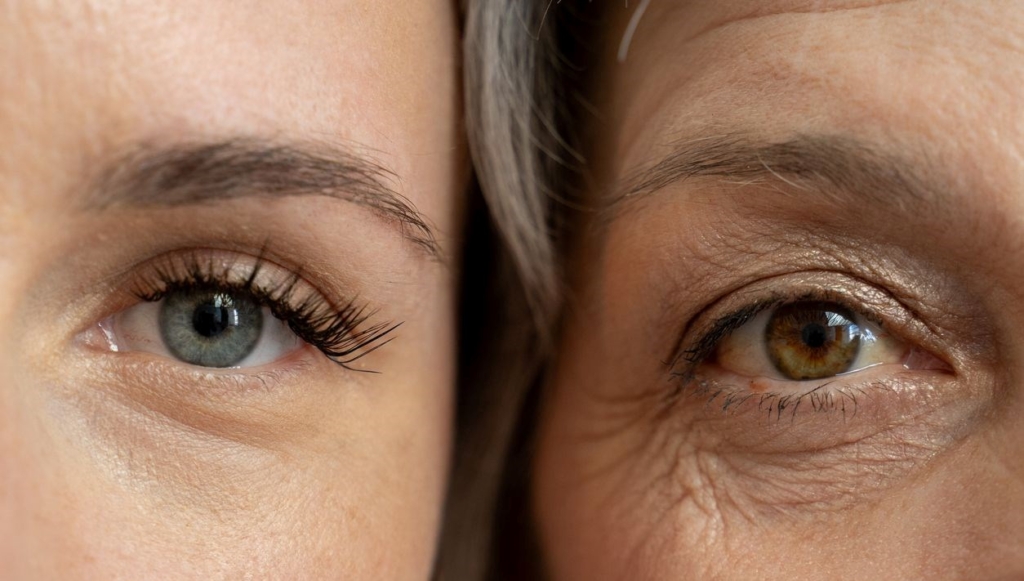

A groundbreaking scientific study spanning five decades has revealed how human organs begin to undergo significant biological changes as early as the age of 30—with these changes accelerating dramatically after the age of 50. The research, which analyzed 516 tissue samples from 76 organ donors aged between 14 and 68, offers one of the most comprehensive insights yet into the aging process and how it impacts various parts of the body.
The findings not only validate earlier research that linked aging to the accumulation of disease-related proteins but also emphasize how these proteins escalate with age, potentially triggering serious health conditions such as heart disease, organ fibrosis, liver tumors, and more.

The Role of Proteins in Aging and Disease
Previous studies have shown that aging correlates with an increase in specific proteins known to be linked with diseases. The latest data confirms that as people grow older, these harmful proteins increase substantially. One protein in particular—GAS6—stood out for its significant role in accelerating aging, especially in blood vessels and hormone-producing organs.
GAS6, or Growth Arrest-Specific 6, is believed to be involved in regulating cell growth and survival. Its dramatic increase with age suggests a direct connection between protein overexpression and cellular deterioration. Researchers speculate that managing the levels of such proteins could be key in slowing down the aging process and preventing age-related diseases.
Early Signs of Organ Aging: Focus on Adrenal Glands and Aorta
The study zeroes in on the adrenal glands and the aorta as critical sites of early biological aging. The adrenal glands, which regulate hormone production and stress response, begin showing changes in protein expression in people as young as their early 30s.
More notably, the aorta—the largest artery in the body—exhibited the strongest signs of aging among all examined tissues. Researchers observed that blood vessels may be particularly vulnerable to early-stage aging, possibly due to their constant exposure to mechanical stress and inflammatory stimuli. This could explain why cardiovascular diseases often manifest earlier than other age-related conditions.
Biological vs. Chronological Age: Not All Organs Age Equally
The study reinforces growing evidence that not all organs age at the same rate. Biological aging can vary between individuals and even between organs within the same person. A recent publication in Nature also supported this idea by measuring protein chains in blood samples and identifying significant variations in organ aging rates.
According to that research, accelerated biological aging in certain organs—such as the liver, heart, lungs, and brain—was associated with increased risk of heart failure, chronic obstructive pulmonary disease (COPD), type 2 diabetes, and Alzheimer’s disease. These conditions often emerge as organs lose their resilience and cellular repair mechanisms weaken with age.

Healthy Brain, Healthy Life: The Power of Cognitive Resilience
Among the most compelling takeaways from the broader body of research is the role of brain health in aging. Individuals with younger biological brain age tend to show more resistance to cognitive decline. Scientists emphasize that lifestyle factors can significantly influence brain aging.
Engaging in regular physical activity, maintaining a balanced diet rich in healthy fats like those found in oily fish and white meat, and stimulating the brain through intellectual pursuits all contribute to cognitive preservation. Educational attainment and social engagement also appear to provide a protective buffer against neurodegeneration.
Factors That Accelerate Aging: Lifestyle Matters
While aging is inevitable, certain factors have been identified as accelerants of organ aging. These include:
Smoking
Excessive alcohol consumption
High intake of processed meats
Chronic sleep deprivation
Living in socioeconomically disadvantaged areas
Each of these elements not only contributes to systemic inflammation but also undermines the body’s natural ability to repair and regenerate tissues. The good news is that many of these factors are modifiable through behavioral change and policy interventions.
Can You Test Your Age at Home? A Personal Trainer Shares Five Simple Methods
For those curious about how their bodies are aging, a personal trainer from Berkshire, England, has shared five simple ways to test physical aging at home. Caroline Idiens, age 52, emphasizes that these self-assessments focus on balance, strength, and flexibility—key indicators of biological vitality.
Here are the five tests:
Single-leg stance: Stand on one leg without support to evaluate balance.
Plank hold: Time how long you can maintain a plank position to test core strength.
Chair rise: Sit and stand from a chair without using your hands.
Squat test: Perform bodyweight squats to assess lower body strength and mobility.
Water bottle lift: Use household items to simulate resistance training and gauge muscular endurance.
In an interview with The Telegraph, Idiens highlighted that signs of strain—like groaning when standing from a seated position—could be your body’s way of signaling it’s time for proactive intervention. “If you say ‘ahh’ every time you get up, it might be time to start thinking about future-proofing your body,” the article quipped.
Science Meets Lifestyle
The implications of this research are far-reaching. Scientists believe these findings could pave the way for new strategies to improve health in older populations. By understanding which organs begin aging earlier and what factors accelerate or slow this process, it becomes possible to tailor treatments, dietary regimens, and preventive interventions to individual biological profiles.
Efforts are already underway to develop targeted therapies that may delay organ aging by regulating protein expression. In the near future, it may be possible to perform simple blood tests to assess your “organ age” and receive personalized recommendations for maintaining long-term vitality.
The Future of Aging is Personalized
As life expectancy increases globally, the goal is no longer just to live longer—but to live healthier. Understanding the cellular and molecular roots of aging opens the door to a new era of personalized longevity science. Whether through regular exercise, smarter nutrition, or future medical breakthroughs, aging better is now more achievable than ever before.